Health
World Sexual and Reproductive Health Month begins Sept. 1
The 2026 observance begins across Latin America on Sept. 1, with the World Health Organization highlighting access to information, services and evidence-based care.
A scrapbook of the newest reports, ordered by publication time.
The 2026 observance begins across Latin America on Sept. 1, with the World Health Organization highlighting access to information, services and evidence-based care.
The Colombian government has declared a state of emergency across 15 departments after a magnitude 7.4 earthquake struck the Chocó department on August 10, causing civilian casualties and infrastructure damage.

A study reported in the Annals of Internal Medicine found that nearly half of CDC-managed health surveillance databases that were once routinely updated stopped or delayed updates in 2025. Many of the affected systems tracked vaccinations and vaccine-preventable illnesses, raising concerns from experts that breakdowns in timely federal data could weaken the country’s ability to detect and respond to outbreaks.
The Trump administration has revised the U.S. childhood immunization schedule, removing broad federal recommendations for multiple vaccines and shifting several shots to high-risk or clinician-guided categories, according to a Jan. 5 report. Public-health experts and pediatric groups warned the changes could confuse families and lower uptake of vaccines that prevent outbreaks.
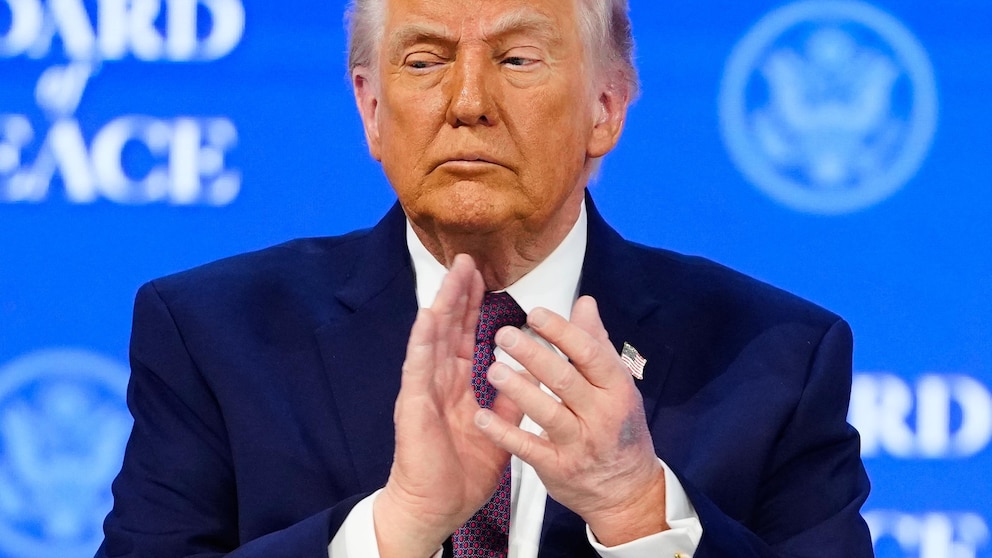
The United Nations said the U.S. withdrawal from the World Health Organization is set to take effect on January 22, 2026, following formal notification. Health experts have warned the move could strain WHO programs and emergency response capacity, especially in areas such as tuberculosis and other major infectious disease efforts, while the administration has signaled it will seek alternative partnerships during the withdrawal period.
A new study reported in Annals of Internal Medicine found widespread delays or stoppages in CDC database updates during 2025, with immunization and vaccine-preventable disease tracking particularly affected. Experts warn that weakened national surveillance could leave the U.S. more vulnerable to outbreaks and erode public trust in health guidance.
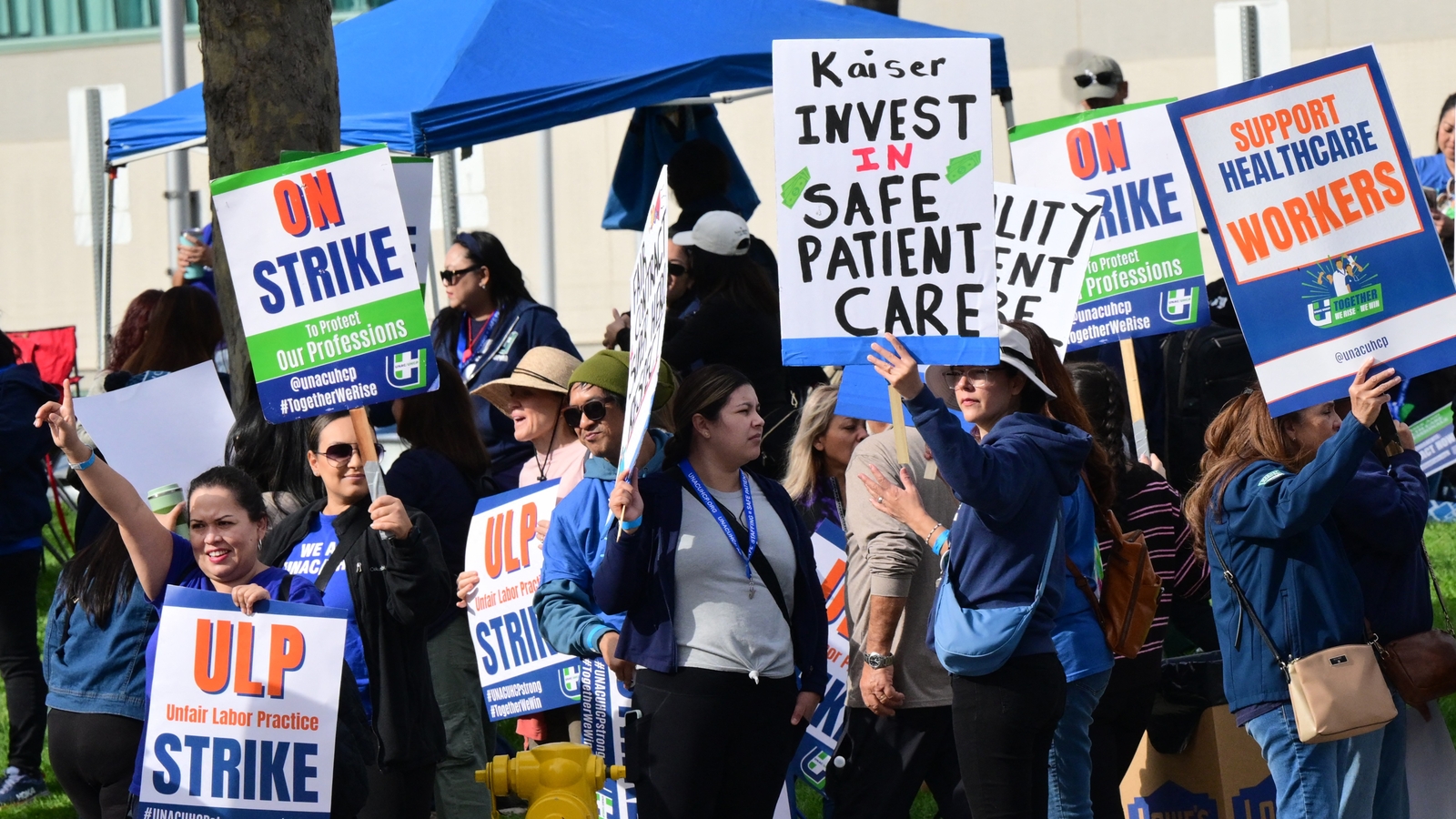
Thousands of Kaiser Permanente nurses and healthcare professionals walked off the job, citing staffing shortages, compensation, and bargaining frustrations. Kaiser said the strike was unnecessary and pointed to its contract offers and negotiations.
The federal government has changed the U.S. childhood vaccination schedule, reducing the number of universally recommended vaccines from 17 to 11 and limiting several shots to high-risk groups or shared decision-making. Doctors’ organizations warned the move could increase preventable disease and confuse parents.
Thousands of Kaiser Permanente nurses and other healthcare professionals began an open-ended strike over staffing and pay, with the health system saying hospitals will remain open and some appointments may shift or be rescheduled.
Officials say digging out from a massive snow and ice storm can be hazardous, because heavy exertion combined with cold temperatures can raise blood pressure and elevate the risk of heart attack or stroke.
Tens of thousands of Kaiser Permanente healthcare workers walked off the job in California and Hawaii, saying staffing levels and compensation have not kept pace with workload and patient needs. The strike adds to a broader wave of healthcare labor pressure as hospitals and systems struggle with retention and capacity.
Public-health officials are warning that the U.S. measles situation is worsening, with large outbreaks and rising case counts linked to pockets of low vaccination. Experts say the trend threatens the country’s measles elimination status and signals broader vulnerability to other vaccine-preventable diseases.