U.S. set to leave WHO on Jan. 22, 2026, raising concerns for global health programs
The United Nations said the U.S. withdrawal from the World Health Organization is set to take effect on January 22, 2026, following formal notification. Health experts have warned the move could strain WHO programs and emergency response capacity, especially in areas such as tuberculosis and other major infectious disease efforts, while the administration has signaled it will seek alternative partnerships during the withdrawal period.
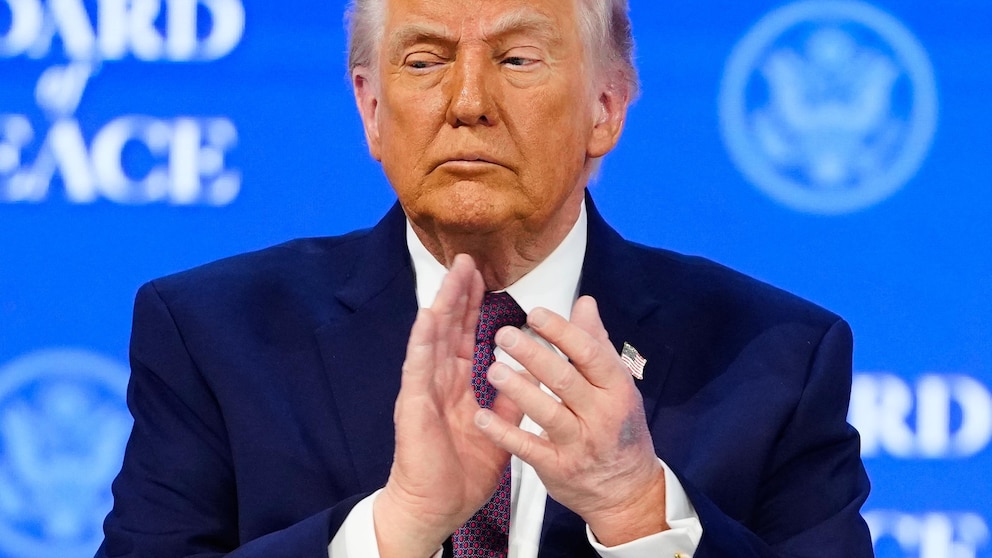
The United States is set to leave the World Health Organization on January 22, 2026, the United Nations said, after Washington formally notified the U.N. of the decision and began the one-year withdrawal process required under U.S. law.
The WHO has said it regrets the decision by its largest financial backer, and global health experts have warned the departure could create significant gaps for programs and crisis response—particularly in high-burden infectious diseases and emergency preparedness.
Why the withdrawal matters for public health
The United States has been one of the WHO’s biggest sources of funding, supporting disease surveillance, vaccination campaigns, outbreak coordination, and technical guidance that many countries use as a reference in public-health planning.
Observers have said a reduction in funding and staffing ties could put pressure on programs that rely on sustained international coordination and long-term financing. Areas often cited as vulnerable include tuberculosis work, HIV/AIDS-related efforts, and rapid response for emerging outbreaks.
What happens during the withdrawal period
Under the withdrawal timeline described by the U.N., the exit takes effect one year after notification. During that period, the U.S. government may reassign personnel and reshape how it engages with international health initiatives.
The administration has indicated it plans to halt certain negotiations tied to WHO-led pandemic initiatives while the withdrawal proceeds and to explore alternative arrangements with other partners to maintain activities it considers essential.
Potential ripple effects for preparedness
Public-health specialists say the key risk is fragmentation: if major donors step back, global surveillance and coordinated response can become slower and less consistent, especially during fast-moving outbreaks. They also warn that rebuilding equivalent networks through separate bilateral deals can take years and may not reach the same coverage.
With the January 22, 2026, effective date now in view, governments and health organizations are expected to intensify planning around financing, staffing, and continuity of programs that previously assumed U.S. participation.