After major storm, health officials warn snow shoveling can strain the heart—especially in cold air
Officials say digging out from a massive snow and ice storm can be hazardous, because heavy exertion combined with cold temperatures can raise blood pressure and elevate the risk of heart attack or stroke.
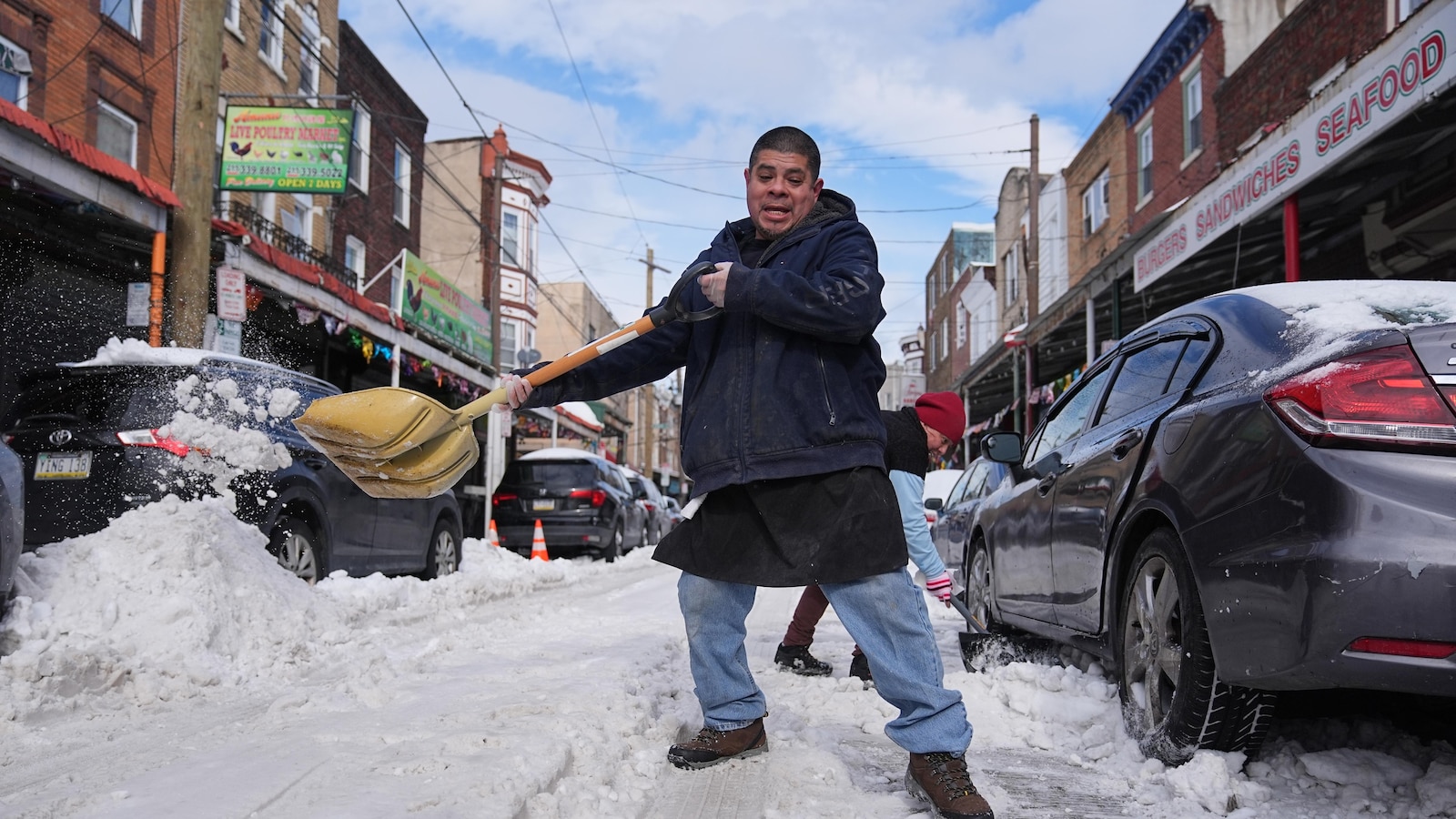
Why shoveling can be risky
Health officials are warning that shoveling snow after a major winter storm can be dangerous for the heart, particularly for older adults and people with underlying cardiovascular risks. The concern is not just the workload of moving heavy snow, but the combination of intense exertion and cold temperatures.
The Associated Press reported Monday, January 26, 2026, that Pennsylvania officials announced three snow-removal-related deaths connected to the storm’s aftermath. The deaths were among people ages 60 to 84, underscoring how quickly overexertion can become life-threatening when the body is stressed.
What cold weather does to your cardiovascular system
Shoveling is heavy physical work that can drive heart rate and blood pressure higher within minutes. On top of that, cold air causes blood vessels to constrict, including those supplying the heart. That constriction increases blood pressure and can raise the risk of heart attack, stroke, or cardiac arrest—especially during sudden exertion that the body is not conditioned for.
The American Heart Association has long advised extra caution in cold-weather exertion, and the storm’s cleanup has brought those warnings back into focus as many people attempt to clear driveways and sidewalks quickly.
Practical guidance: pace, warm up, and watch for symptoms
- Take frequent breaks and avoid trying to finish a large area in one continuous push.
- Warm up indoors first and dress in layers to limit the shock of cold exposure.
- If possible, push snow rather than lifting it, and keep loads smaller when lifting is unavoidable.
- Work slowly after long periods of inactivity or if you are not used to strenuous exercise.
- Stop immediately and seek help if you feel chest pressure, unusual shortness of breath, dizziness, nausea, or pain radiating to the arm, neck, or jaw.
Who should be most cautious
People with known heart disease, high blood pressure, a history of stroke, diabetes, or those who are older and less physically active should be especially careful. In some cases, using a snowblower, hiring help, or asking neighbors to assist is safer than attempting heavy shoveling alone.
After major storms, cleanup often becomes a race against time and freezing temperatures. The message from public health officials is straightforward: treating shoveling as strenuous exercise—and respecting its limits—can prevent tragedies.