About 31,000 Kaiser Permanente workers strike across California and Hawaii over staffing and pay
Tens of thousands of Kaiser Permanente healthcare workers walked off the job in California and Hawaii, saying staffing levels and compensation have not kept pace with workload and patient needs. The strike adds to a broader wave of healthcare labor pressure as hospitals and systems struggle with retention and capacity.
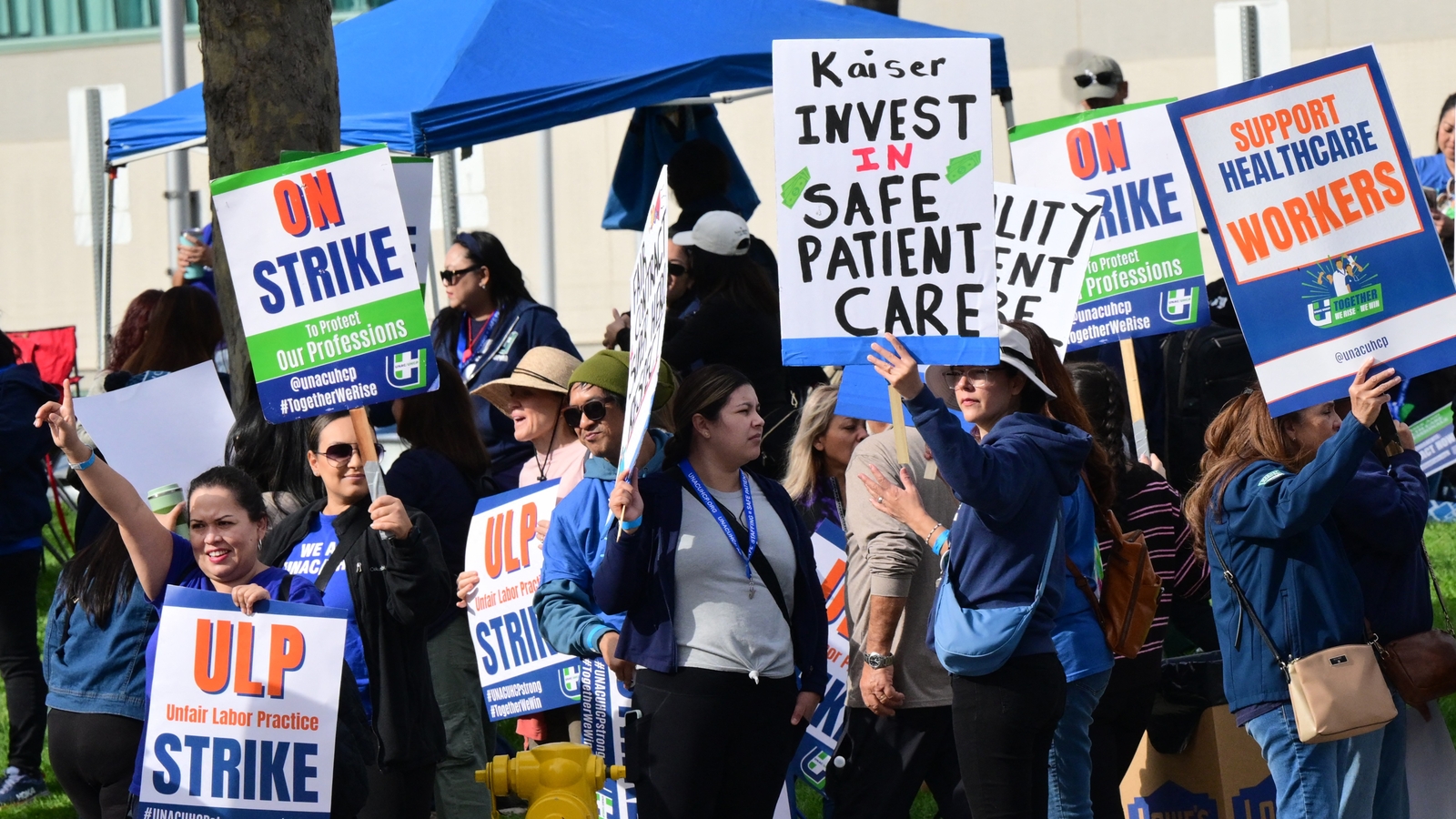
Roughly 31,000 Kaiser Permanente healthcare workers went on strike across California and Hawaii, escalating a labor dispute centered on staffing levels, wages, and what unions describe as growing strain on bedside care. The walkout included a broad range of clinicians and specialized professionals represented by the United Nurses Associations of California/Union of Health Care Professionals.
Picket lines formed outside Kaiser facilities in multiple regions, with workers arguing that chronic understaffing has made it harder to provide timely care and has pushed burnout to a breaking point. Union leaders said they have spent months at the bargaining table without resolving core issues, describing stalled negotiations and a widening gap between day-to-day operational realities and contract terms.
Strikes in healthcare tend to raise immediate public anxiety because patient safety cannot simply be paused. Systems typically respond by bringing in temporary staff, reassigning workers, and deferring non-urgent procedures. But those measures are costly, and unions argue they do not address the underlying retention problem that keeps units understaffed in the first place.
The Kaiser strike also fits into a national pattern: after years of pandemic-era disruption, many healthcare workers say workloads have remained elevated while hiring has lagged. Even large systems with strong balance sheets have faced pressure from rising labor costs, competition for specialized talent, and the financial complexity of delivering care across different payer types.
For Kaiser Permanente, which operates as an integrated system, the dispute is especially sensitive because the organization’s model depends on coordinated care, stable staffing, and patient trust. A prolonged strike risks backlogs, delayed appointments, and reputational damage—outcomes that can take months to unwind even after a contract is reached.
Both sides signaled that negotiations remain the path forward, but the strike itself is a sign of how far positions have drifted. For patients, the short-term question is how quickly Kaiser can maintain essential services; for the broader industry, the bigger question is whether large systems will accept higher labor terms as the price of stabilizing the healthcare workforce.