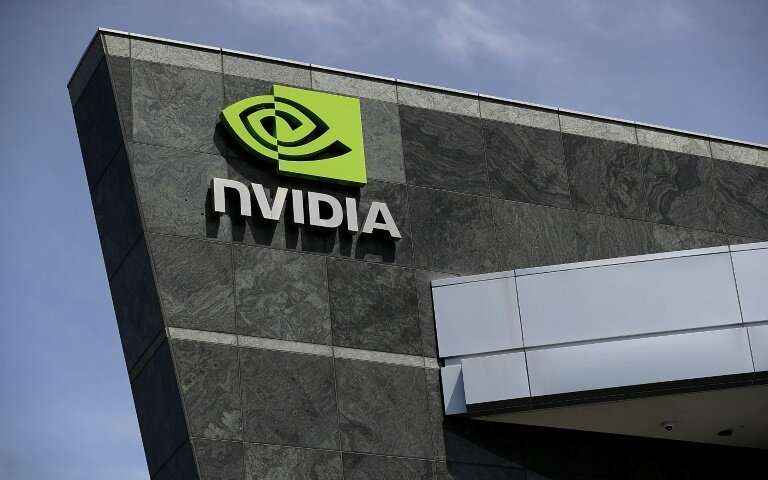
Nvidia said it invested $2 billion in AI cloud provider CoreWeave, deepening a partnership aimed at building more than 5 gigawatts of AI data center capacity by 2030. The move underscores how chipmakers are using capital and strategic deals to secure land, power and infrastructure for next-generation AI systems.
A proposed Georgia bill would pause new data center construction as lawmakers and residents raise concerns about electricity costs, water use, and incentives tied to AI-driven growth.
Investors are heading into a packed week with major technology earnings and a Federal Reserve rate decision, as geopolitical headlines and a deep winter storm add to uncertainty.
USA Rare Earth says it has a non-binding letter of intent for $277M in proposed federal funding plus a $1.3B loan under the CHIPS Act, alongside a large private financing round—underscoring how tech and industrial policy are converging around mineral inputs for advanced manufacturing.
Crunchbase confirmed a security incident after hackers published files they claim were taken from the company’s systems, a development that could amplify phishing and trust risks across the startup ecosystem that relies on its data.
Georgia is leading a growing state-level backlash against rapid data center expansion, with proposed legislation seeking a moratorium as communities and regulators confront energy demand, water usage, and the costs of powering AI growth.
AMD and OpenAI announced a strategic partnership to deploy 6 gigawatts of AMD Instinct GPUs over multiple generations, with an initial 1-gigawatt MI450 deployment planned to begin in the second half of 2026. The agreement deepens collaboration across hardware and software, and includes an equity warrant tied to deployment milestones.
A tech roundup reported Nvidia investing $2 billion in AI cloud provider CoreWeave, underscoring the race to secure power, land, and data-center capacity for GPU-heavy workloads. The same digest pointed to major platform shifts around AI assistants, reliability issues tied to Windows updates, and growing scrutiny of security and governance as AI infrastructure scales.
A roundup of CES 2026 award winners spotlighted advancements in OLED displays, experimental foldable devices, and more capable smart-home gear. The selections underscored the event’s focus on visual computing, interoperability, and practical AI-assisted features in consumer products.
Chipmakers surged in a broad rally fueled by enthusiasm about AI infrastructure demand, with Micron highlighted as a leader and investors watching the sector heading into earnings season.
At Davos, Anthropic CEO Dario Amodei sharply criticized U.S. policy and chipmakers after the administration approved sales of high-performance AI chips to approved Chinese customers, arguing the move could backfire for national security.
A Guardian profile frames 2026 as a pivotal period for OpenAI CEO Sam Altman, highlighting the company’s huge infrastructure ambitions, fast-growing influence in government and industry, and rising scrutiny over costs, safety and power consumption.

:max_bytes(150000):strip_icc()/GettyImages-2257228326-9333ab4729614b488e45c1bf5d915256.jpg)