Georgia lawmakers push a pause on new data centers amid AI boom, power demand, and local backlash
A proposed Georgia bill would pause new data center construction as lawmakers and residents raise concerns about electricity costs, water use, and incentives tied to AI-driven growth.
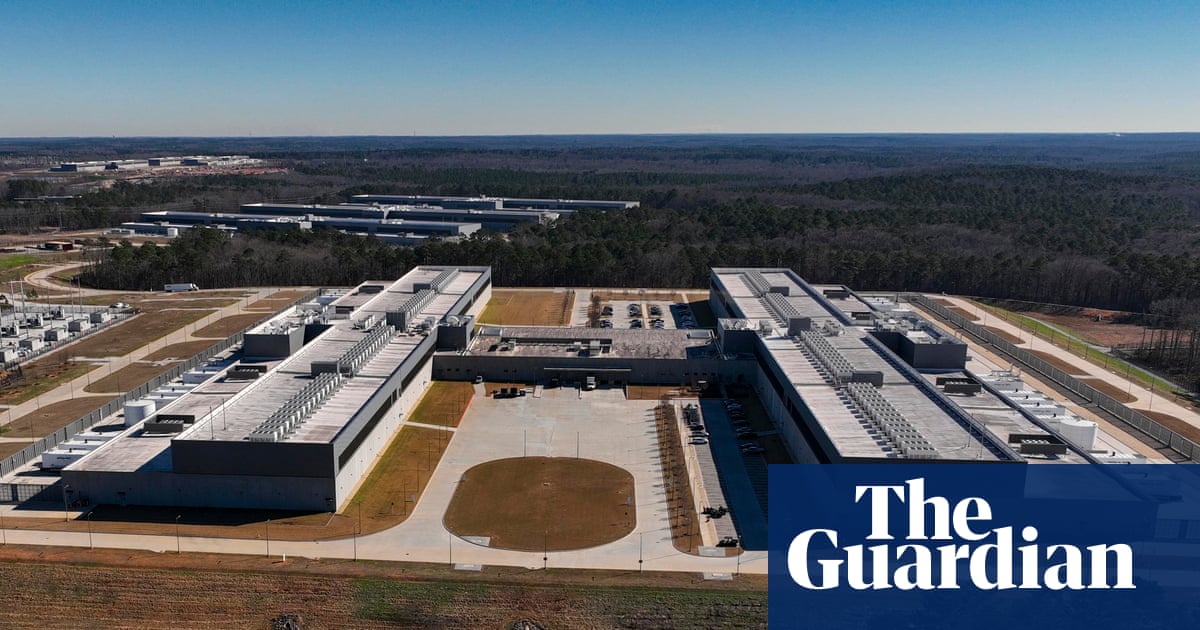
AI’s infrastructure boom runs into an energy-and-water reality check
Georgia has become a central battleground over the physical footprint of the AI economy, with lawmakers considering a temporary statewide pause on new data center construction. The proposal reflects a growing tension in U.S. tech policy: leaders want the jobs and investment associated with AI, but communities are increasingly concerned about the strain on power grids, water supplies, and consumer utility bills.
Reporting on Monday, January 26, 2026, described legislation introduced in Georgia that would place a moratorium on new data center development through March 2027. Supporters say the goal is to give local governments and regulators time to set clearer rules and evaluate how costs and benefits are distributed across residents, utilities, and major corporate users.
Why data centers are at the center of the AI debate
Training and serving modern AI models requires vast computing capacity, much of it delivered through data centers packed with high-end chips and cooling systems. That translates into significant electricity consumption and, in many designs, substantial water use for cooling and heat management. As more AI workloads move from research into everyday products, these facilities are expanding rapidly—often faster than local planning and grid upgrades can keep pace.
Georgia, in particular, has attracted large-scale data center projects due to its infrastructure, business climate, and proximity to major networks. But the same advantages have brought concentrated development that residents say is reshaping land use and driving pressure on public resources.
Policy questions: incentives, consumer costs, and accountability
Lawmakers discussing the pause are focusing on issues that are becoming common nationwide: whether generous tax breaks and incentives are justified, whether utility ratepayers are effectively subsidizing industrial growth, and how to ensure operators pay for the infrastructure expansions their demand requires.
Supporters frame the pause as a planning tool rather than an anti-tech move—arguing that clear standards, stronger oversight, and transparent accounting would ultimately make development more sustainable and politically durable. Opponents warn that a moratorium could push investment to other states and slow job creation tied to construction and operations.
A preview of a broader U.S. fight
Georgia’s debate signals that the next phase of the AI race may be constrained not only by chips and talent but also by land, power generation, transmission capacity, and water. As states compete to host AI infrastructure, conflicts over siting and cost allocation are likely to become a defining technology-policy story of 2026.