Georgia lawmakers push for a pause on new data centers as AI boom strains power and water
Georgia is leading a growing state-level backlash against rapid data center expansion, with proposed legislation seeking a moratorium as communities and regulators confront energy demand, water usage, and the costs of powering AI growth.
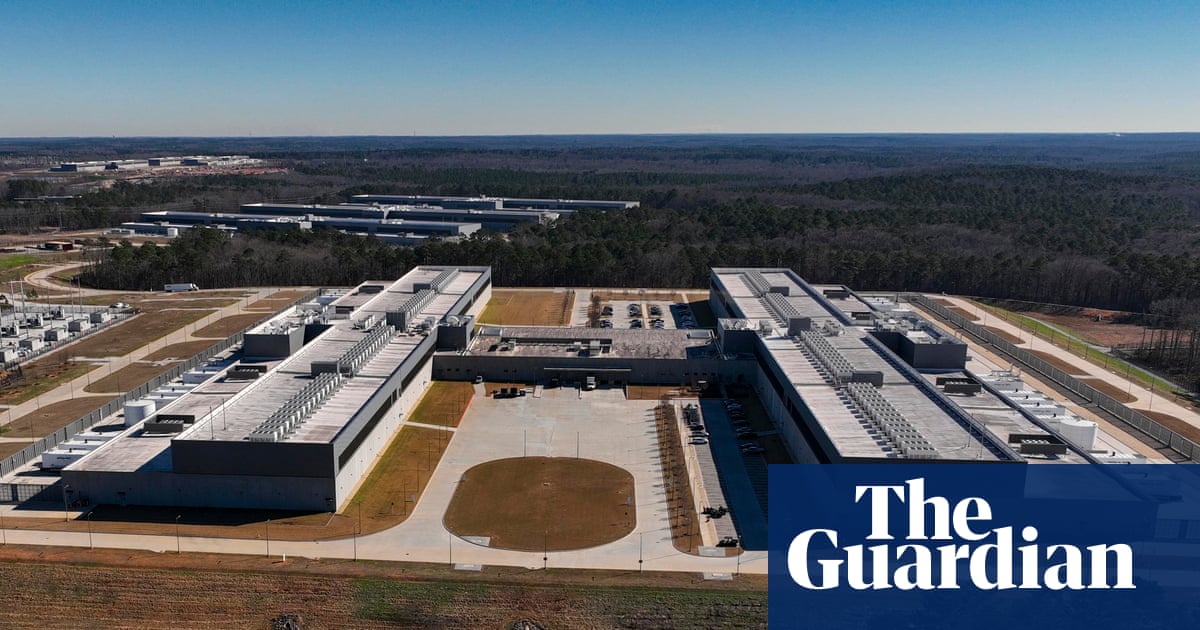
Why data centers have become a political flashpoint
The rapid buildout of data centers—key infrastructure for cloud computing and advanced AI—has moved from a niche zoning topic into a statewide policy fight. In Georgia, lawmakers are debating whether the pace of construction has outstripped public oversight, particularly as residents and local officials raise alarms about electricity demand, water consumption, and the downstream effect on utility bills.
The surge is tied to the AI boom, which depends on large clusters of GPUs and high-density computing. These facilities can require major grid upgrades, new generation capacity, and expanded transmission projects. As a result, public commissions and utilities find themselves planning years ahead for growth that is often driven by a small number of very large industrial customers.
The proposed moratorium and what it would do
A Georgia proposal would pause approval of new data centers for a defined period to give governments time to craft updated rules. Supporters say the goal is not to stop technology investment permanently but to slow the pipeline long enough to set clear standards: how much water can be drawn, how power costs are allocated, how tax incentives are justified, and how local communities can negotiate enforceable commitments.
Backers argue that without a pause, the state risks locking in infrastructure choices that favor rapid construction over long-term affordability and environmental resilience. They also say that communities need stronger tools to evaluate promised job creation, since some data centers employ relatively few workers compared with their footprint and resource use.
The arguments from industry and pro-growth officials
Companies and economic development advocates typically argue that data centers are essential to modern competitiveness: they enable AI research, digital services, and enterprise computing. From this view, restricting construction could send investment to other states and weaken the local tech ecosystem, including supplier networks and construction employment.
They also argue that power and water planning can be managed through existing regulatory channels, and that large customers can sign contracts or fund infrastructure upgrades that reduce the burden on other ratepayers. Critics respond that those costs can still spill over through grid expansion and long-term capacity commitments.
What comes next for AI infrastructure policy
Georgia’s debate is being watched nationally as other states face similar questions: how to balance the economic benefits of hosting AI infrastructure with the resource demands and political risk of higher bills. The key outcome may not be a simple yes-or-no decision on a moratorium, but whether states adopt stronger transparency requirements, tighter incentive rules, and clearer consumer protections as AI-driven load growth accelerates.
If Georgia moves first with a pause or tougher restrictions, it could become a model for how local backlash translates into statewide guardrails for the next wave of AI-era industrial development.