Israel says it recovered the remains of the last hostage held in Gaza
Israel said it recovered and identified the remains of Ran Gvili, described as the final hostage still held in Gaza, bringing a symbolic end to the country’s long hostage ordeal and moving attention to the next, more contentious phase of a fragile ceasefire with Hamas.
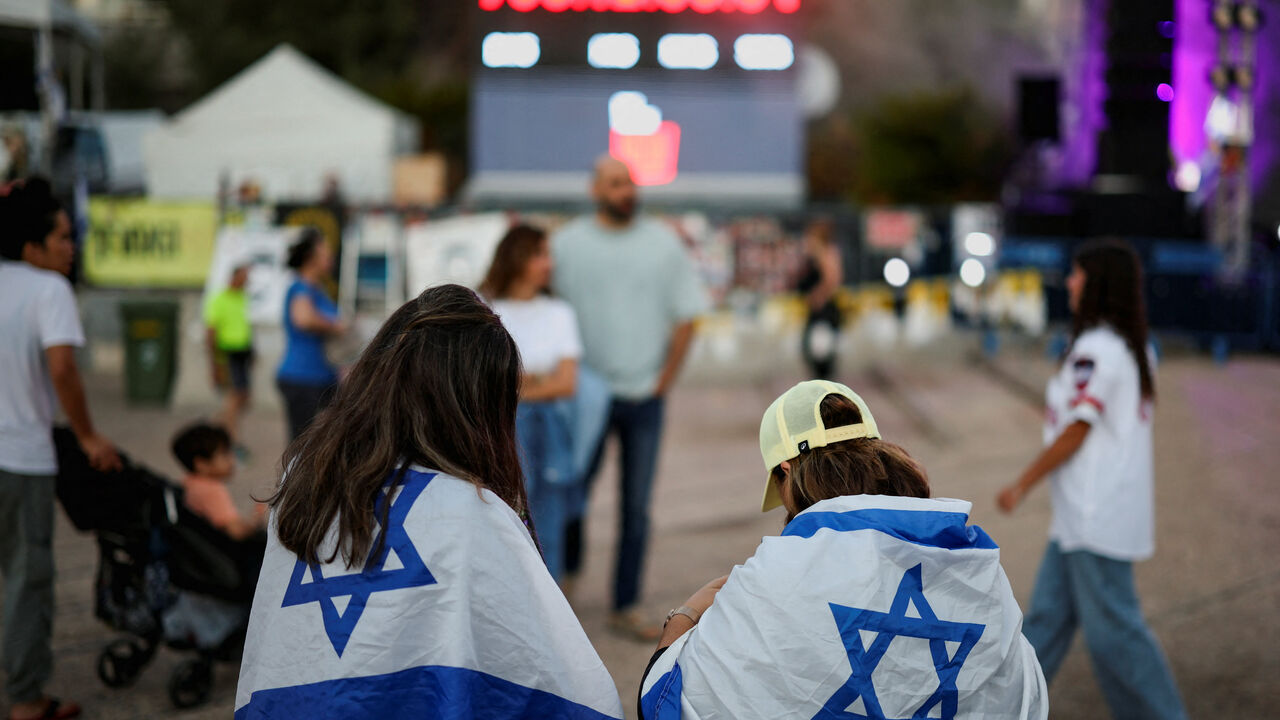
A symbolic end to the hostage chapter
Israel on Tuesday, Jan. 27, 2026, marked what officials described as the return of the final hostage’s remains from Gaza, a moment that carried heavy symbolic weight after more than two years of war, anxiety and public campaigning by families and supporters. The recovered and identified remains were those of Ran Gvili, a young police officer killed during the Oct. 7, 2023, Hamas-led attack, according to Israeli statements carried by the Associated Press.
In Tel Aviv’s Hostages Square, the return was treated as the end of a national countdown that had become a physical representation of ongoing uncertainty. The stoppage of the clock and the public reaction illustrated how the hostage issue evolved from a diplomatic and security problem into a defining social trauma that shaped political debate, military decisions and international mediation efforts.
How the recovery was described
The report described a complex path to recovery and identification that involved forensic work, intelligence gathering and negotiations through multiple intermediaries. International actors—named in the coverage as including Egypt and Qatar among the mediators—were part of a broader diplomatic architecture that has repeatedly tried to stabilize the conflict in stages, with ceasefire arrangements linked to the movement of hostages and remains.
The process also highlighted a persistent problem that has surfaced repeatedly in this war: competing narratives about who enabled each step and what concessions were made. Even when the end result is a transfer of remains, disagreements can remain about the method, the conditions and the political meaning, especially inside a region where every tactical decision is interpreted as precedent for the next round.
Ceasefire next steps, and new disputes
With this recovery, attention shifts to what comes next: the continuation of the ceasefire framework, negotiations over Gaza’s future, and disputes over reconstruction, security control and border access. The AP report noted discussion of reopening the Rafah crossing for limited pedestrian movement, a step that would matter to civilians seeking travel and medical evacuation, but one that is politically and operationally fraught.
Israeli leaders have also reiterated conditions tied to disarmament and the dismantling of Hamas’s tunnel networks as prerequisites for major reconstruction, while rejecting certain international security proposals. On the Gaza side, the humanitarian situation remains acute, with large numbers of displaced residents and ongoing needs for medical treatment outside the territory.
Why this moment still doesn’t close the conflict
Even with the return of the last hostage’s remains, the ceasefire enters a phase where the issues become less emotionally singular but potentially more explosive: governance, security arrangements, accountability and the basic question of whether any durable political settlement is possible. For many Israelis, the moment offered closure to one chapter; for the region, it underscored how much of the broader story remains unresolved.