Second phase of Gaza ceasefire begins, with technocratic committee proposed to run daily administration
The U.S. said the second phase of the Gaza ceasefire is underway, centered on demilitarization and reconstruction, and featuring a proposed Palestinian technocratic committee to manage day-to-day governance during a transition. The plan depends on authorization from a Trump-chaired “peace board” that had not yet been created, while talks continue over troop withdrawals, border crossings, and expanding aid flows.
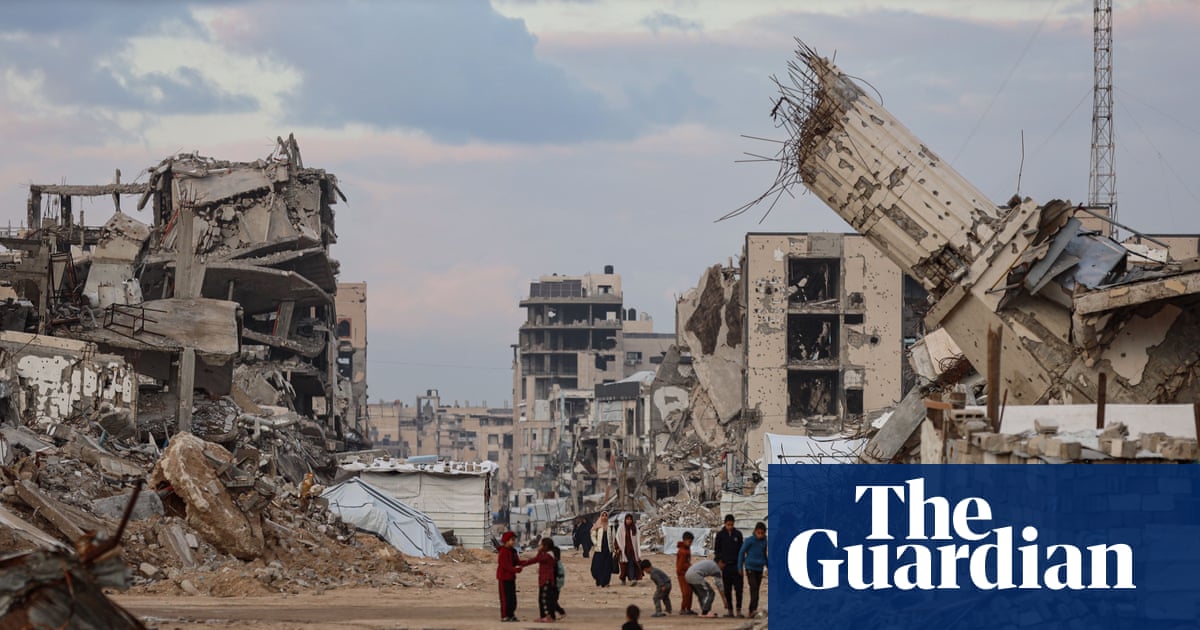
A new phase for the ceasefire framework
The United States announced the start of the second phase of the Gaza ceasefire on January 14, 2026, signaling a shift from the initial stage—focused on exchanges of hostages and detainees—toward longer-term questions of governance, security, and rebuilding. The framework described for phase two includes demilitarization and reconstruction, with U.S. officials pressing for the disarmament of unauthorized armed personnel as part of the plan.
While the announcement framed the second phase as a step forward, the situation on the ground remained tense. The first phase was described as having reduced but not ended Israeli military activity, and the overall environment continued to be shaped by security incidents, humanitarian pressure, and uncertainty about the durability of the truce.
A technocratic committee to administer Gaza
A central element of the phase-two outline is the creation of a “national committee for the administration of Gaza,” described as a group of Palestinian technocrats intended to handle everyday governance during a transitional period. According to reporting, the committee was expected to focus on practical needs: keeping essential services running, supporting basic administration, and helping create conditions for reconstruction efforts to begin.
However, a major structural constraint remained: the committee was not expected to begin work until it is mandated by a “peace board” chaired by President Donald Trump—an entity that, at the time of the announcement, had not yet been created. That sequencing introduced a significant question for regional and international observers: whether governance arrangements can move from concept to implementation without delays, and whether stakeholders will accept the oversight architecture implied by the plan.
Names, oversight, and the role of outside actors
The initial U.S. announcement did not include detailed member lists, but Egyptian officials said an agreement had been reached on a 15-member technocratic committee. Reporting also described the possibility that some members could be linked to Fatah, and cited potential leadership candidates. Oversight was described as involving Nickolay Mladenov, a veteran UN diplomat, who would supervise committee activities and report upward to the anticipated peace board.
Key sticking points: withdrawal, Rafah, and aid
Negotiations connected to the second phase were also said to cover the further withdrawal of Israeli forces, the reopening of the Rafah crossing between Egypt and Gaza, and the entry of humanitarian aid stockpiled on the Egyptian side. These issues are not merely logistical: border access affects food and medical supply chains, the movement of civilians, and the viability of reconstruction timelines.
In parallel, the ceasefire’s political sustainability appeared tied to unresolved matters involving hostages and remains still unaccounted for. U.S. messaging emphasized compliance obligations and warned of consequences if requirements were not met, reflecting the fragile nature of the arrangement as the process moved into its more complex second stage.