UN says Dakar talks will push progress on global water goals ahead of 2026 UN Water Conference
UN officials say leaders will meet in Dakar on Jan. 26–27 to accelerate progress on clean water and sanitation, highlighting gaps such as billions lacking safe services and the need for stronger cross-border water cooperation.
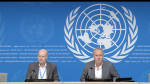
United Nations officials say global leaders will gather in Dakar on January 26–27, 2026, for a system-wide meeting focused on speeding up progress toward Sustainable Development Goal 6: ensuring clean water and sanitation for all. The meeting comes with less than a year until the UN Water Conference scheduled for December 2026, and it is intended to take stock of progress since 2015 while identifying the biggest remaining obstacles.
The challenge, UN briefers said, is that improvements have not moved fast enough to match the scale of need. Billions of people still lack safe drinking water and sanitation, wastewater treatment remains incomplete in many places, and freshwater ecosystems continue to decline. Water stress is also described as “critical” in several regions, a reminder that the issue is not just about infrastructure but also about climate pressure, governance, and long-term resilience.
Another core theme is shared water. Cross-border rivers, lakes, and aquifers can become sources of tension when scarce or poorly managed, so international cooperation mechanisms are being treated as part of peace and conflict prevention as well as development. The Dakar meeting is expected to spotlight partnerships and solutions that can be scaled quickly—both technical fixes and governance models.
UN representatives highlighted the UN Water Convention as one framework they see as a working example of multilateral cooperation over shared water resources. Since opening globally in 2016, the convention has expanded to dozens of parties, and UN officials said more countries are considering joining. The goal is to encourage coordination that improves water security while reducing the risk of disputes, especially as droughts and extreme weather disrupt supplies.
The Dakar conversations matter beyond diplomacy because the impacts of water scarcity ripple through food security, public health, energy reliability, and migration. If the meeting can deliver specific commitments—financing, data-sharing, shared-basin management, or wastewater treatment upgrades—UN officials hope it will build momentum into the December 2026 conference and help close the gap between stated goals and real-world outcomes.