U.S., Russia and Ukraine hold trilateral talks in Abu Dhabi as diplomacy shifts to a new format
Unusual trilateral talks involving the U.S., Russia and Ukraine took place in Abu Dhabi, reflecting a new diplomatic track that excludes Europe and follows meetings connected to Davos and the Trump administration’s “Board of Peace” initiative.
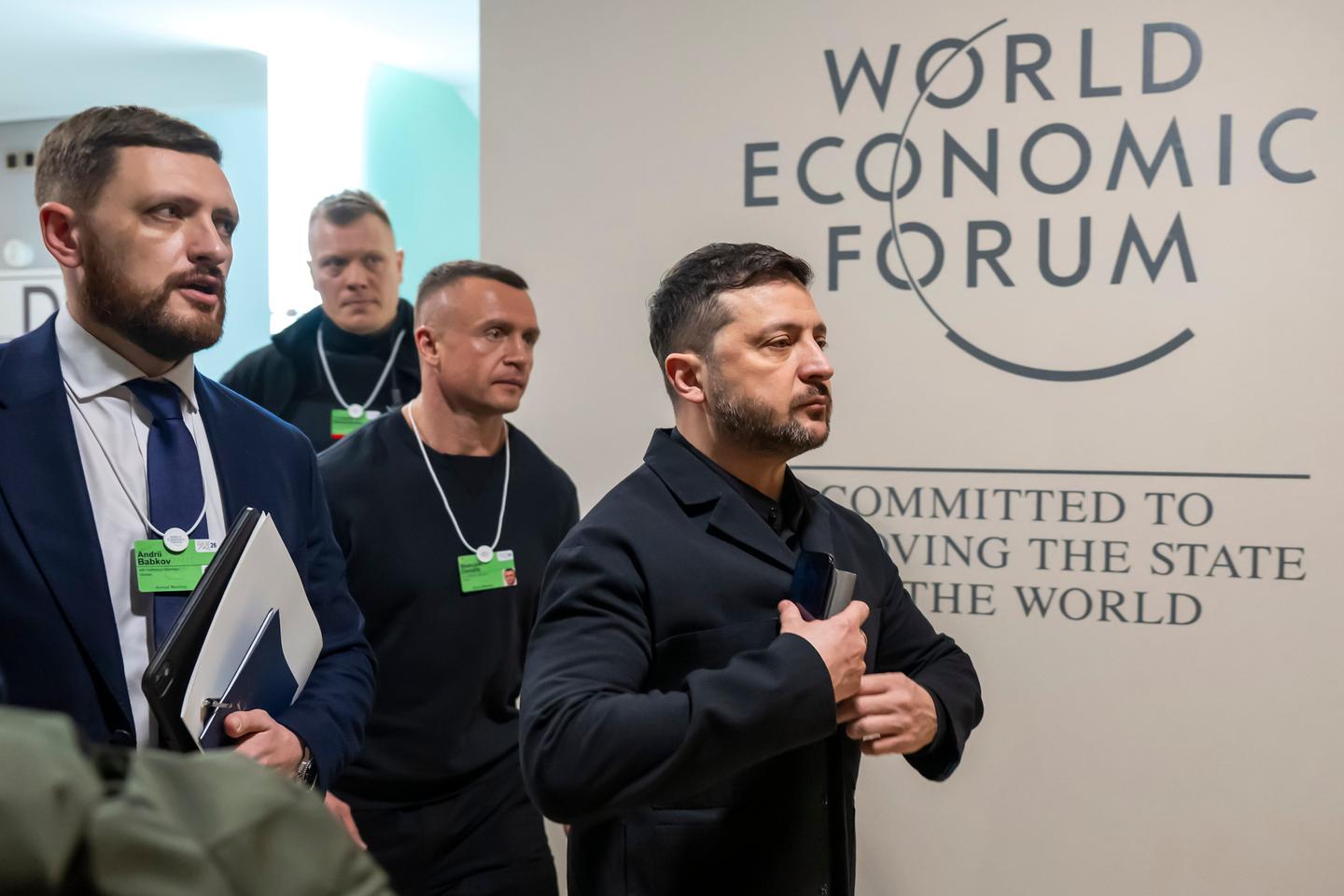
A rare three-way meeting
The United States, Russia, and Ukraine have opened an unusual diplomatic channel with trilateral talks in Abu Dhabi, a setting that underscores how the conflict’s negotiation landscape is shifting. Unlike many prior rounds of Ukraine-related diplomacy, Europe was not included in this format, a choice that immediately drew attention to who is driving the process and what leverage different parties may have at the table.
The Abu Dhabi sessions followed a sequence of high-level contacts tied to Davos and Moscow. For Ukraine, the central goals remain security guarantees and a credible end to hostilities that does not simply freeze the front lines while leaving the country exposed to renewed attacks. For Russia, public signals have often emphasized military objectives and insistence on territorial outcomes, making compromise hard to measure in real time.
How the Trump administration is framing the talks
The talks are connected to an initiative promoted by President Donald Trump’s team that has been described as a “Board of Peace.” The administration’s approach appears to favor direct, high-stakes engagement and rapid deal-making, with envoys and senior intermediaries positioned to explore tradeoffs on security guarantees, cease-fire mechanics, and postwar arrangements.
Supporters of the trilateral model argue it may speed up decisions by narrowing the number of voices in the room. Critics counter that excluding European partners—who have provided major military, economic, and humanitarian support to Ukraine—could make any agreement harder to sustain and harder to implement.
Core issues remain unresolved
Even with a new diplomatic structure, the central disputes are unchanged. Ukraine’s openness to concepts like a demilitarized zone does not solve the most contentious question: territorial control and sovereignty over occupied areas. Any proposal that touches Donbas-related boundaries or governance would likely face intense domestic political scrutiny in Ukraine and would be tested against Russia’s willingness to accept limits on its gains.
Meanwhile, Russia’s public posture has often suggested it will continue military operations if political pathways do not deliver outcomes it considers acceptable. That stance raises the risk that talks become a parallel track to continued fighting rather than a true off-ramp.
Why Europe’s absence matters
Europe’s exclusion is not a minor procedural detail. European governments have shaped sanctions regimes, weapons deliveries, and reconstruction planning. Any durable settlement would likely require some form of European buy-in, whether through security arrangements, monitoring mechanisms, or economic support frameworks.
For now, the Abu Dhabi talks represent a notable diplomatic pivot: fewer participants, more direct U.S. involvement, and a focus on testing whether Russia and Ukraine can narrow positions in a controlled environment. Whether this produces a concrete path to a cease-fire or simply signals new geopolitical friction among allies remains uncertain.