Israel recovers remains of last hostage in Gaza as ceasefire enters tougher phase
Israel said it recovered the remains of Ran Gvili, described as the last hostage in Gaza, clearing a major condition for the ceasefire’s next phase as negotiations shift to border access, security arrangements and reconstruction.
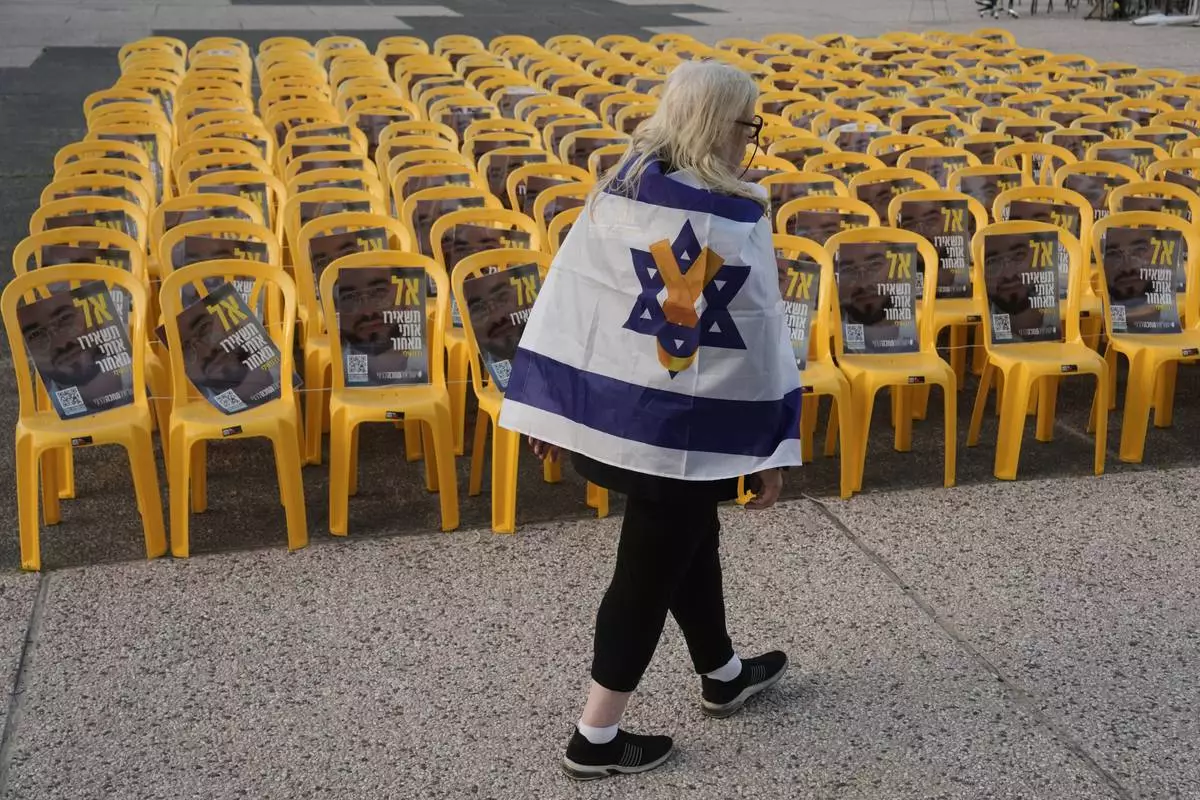
A symbolic milestone in a long hostage saga
Israel said Monday it recovered the remains of Ran Gvili, described as the last hostage in Gaza, a step that closes one of the most emotionally charged chapters of the war for many Israelis. Officials said Gvili, a police officer, was killed during the Hamas-led Oct. 7, 2023 attack and his remains were found in a cemetery in northern Gaza.
The return of remaining hostages—living or dead—was a central condition of the ceasefire’s first phase. Gvili’s family had publicly urged Israel not to proceed to the next stage until his remains were brought home, making the recovery both a personal and national marker.
Ceasefire phase two: borders, security and governance
With that condition met, attention turns to a more complicated second phase. The next steps are expected to include reopening Gaza’s border with Egypt to enable movement and eventually expand aid flows, while also grappling with security and governance questions that have stalled previous diplomatic efforts.
AP reported that the second phase calls for deploying an international security force, disarming Hamas, pulling back Israeli soldiers and beginning large-scale rebuilding. Each element carries political risk: the security plan requires buy-in from regional players, and disarmament and governance proposals have repeatedly been flashpoints inside Israel and among Palestinian factions.
Humanitarian pressure remains intense
For Palestinians, any reopening of crossings is tied to urgent needs: medical travel, basic supplies and the reconstruction of homes and infrastructure after extended fighting. Yet the pace of change depends on security arrangements and inspections, as well as the broader political framework that would govern Gaza after the war.
The ceasefire’s first phase reduced large-scale combat, but the transition to a durable postwar arrangement remains uncertain. The recovery of Gvili’s remains may remove one major barrier, but it also highlights how emotionally and politically fragile the next stage will be for both sides.