U.S. envoys press Israel to move into Gaza ceasefire’s next phase as Rafah crossing discussions intensify
American envoys met Israeli Prime Minister Benjamin Netanyahu to push momentum into the second phase of a Gaza ceasefire, amid renewed debate over reopening Rafah, international monitoring, and conditions tied to hostages and remains still held by Hamas.
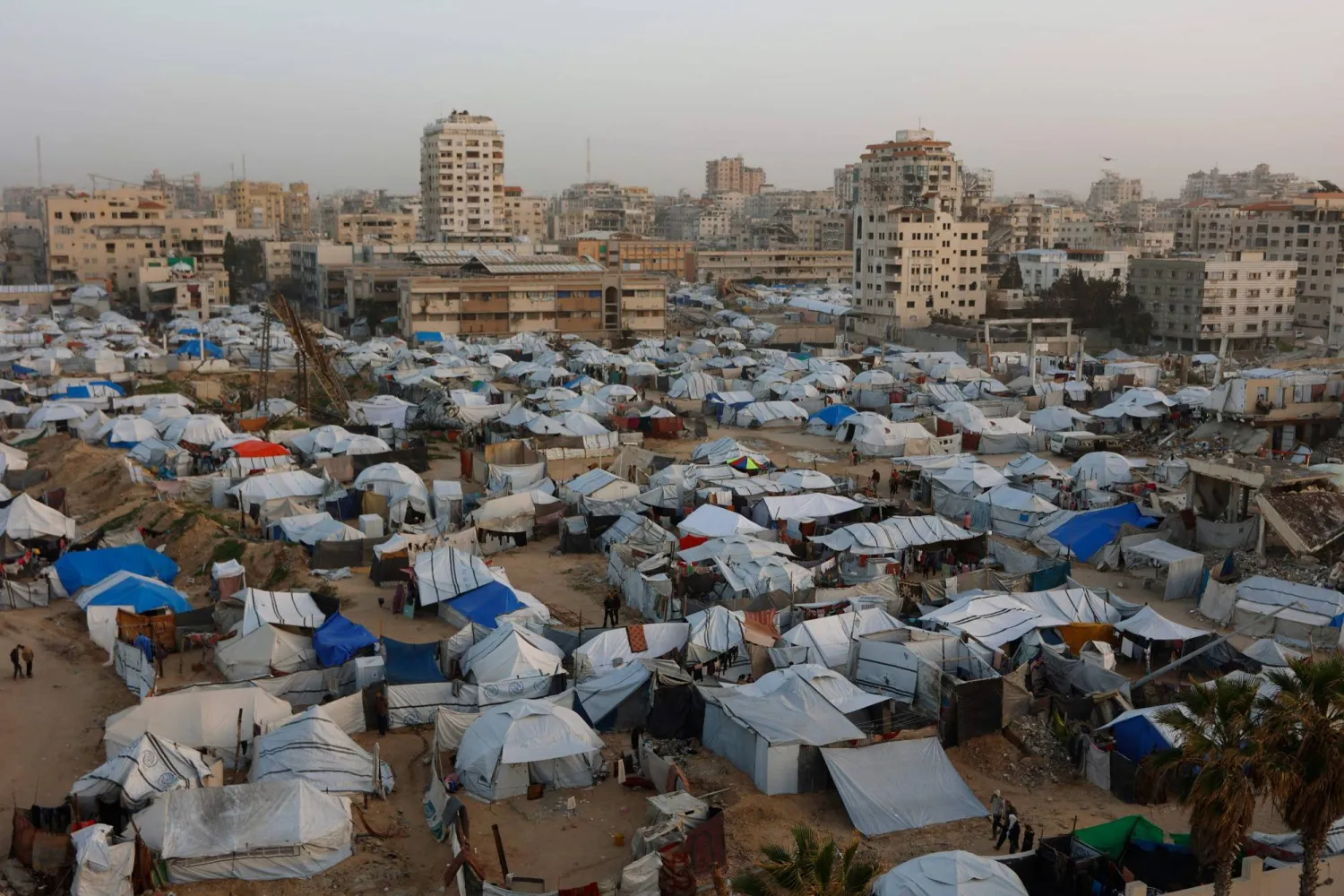
U.S. officials intensified diplomacy around Gaza over the weekend, urging Israel to move into the next stage of a ceasefire plan as negotiations focus on how to implement further steps on the ground. According to reporting, American envoys met Israeli Prime Minister Benjamin Netanyahu with the message that the ceasefire’s second phase should proceed, even as the parties face unresolved disagreements about sequencing, security arrangements, and verification.
A central sticking point is the Rafah border crossing between Gaza and Egypt. Egyptian officials have pressed for reopening, and discussions have included the possibility of international monitoring mechanisms and details about the presence or withdrawal of Israeli forces in key areas. Israeli leaders have not publicly confirmed the exact timeline for Rafah, and any move is politically sensitive inside Israel because it intersects with security concerns, Hamas’s continued capacity, and questions of how goods and people would move under a new framework.
The ceasefire is tied to the fate of hostages and remains still held by Hamas, and mediators are trying to bridge gaps over what can be confirmed and delivered in the short term. In parallel, reports of deadly incidents have continued to inflame tensions, complicating the diplomatic environment and shaping public opinion on both sides. Each additional casualty risks undermining confidence that the ceasefire can hold long enough for negotiations to mature into a more durable arrangement.
Even if negotiators align on the next phase, the longer-term questions remain daunting: governance in Gaza, reconstruction, security guarantees, and the role of regional actors in enforcement. U.S. officials are effectively trying to create a pathway where immediate operational steps—like crossing management and monitoring—can build the trust needed for deeper political decisions. For now, the talks continue under pressure, with each side weighing what it can concede without losing leverage or domestic support.