Saudi Arabia postpones the 2029 Asian Winter Games planned for NEOM’s Trojena project
Saudi Arabia and the Olympic Council of Asia agreed to postpone the 2029 Asian Winter Games that were slated for Trojena, a planned ski resort inside the NEOM megaproject, highlighting the pressure on ambitious event plans and the complexities of building winter sports infrastructure in a desert environment.
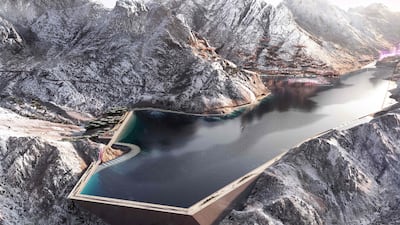
Postponement of a landmark event
Saudi Arabia has agreed with the Olympic Council of Asia to postpone the 2029 Asian Winter Games that were to be hosted at Trojena, a planned year-round ski destination within the NEOM development. The announcement is significant because the event had been positioned as a symbol of the kingdom’s push to diversify its economy and attract global sports and tourism, while also demonstrating that large-scale projects can be delayed when timelines and delivery risks mount.
No firm replacement date was provided publicly with the postponement, and the decision arrives amid ongoing debate about the cost and feasibility of constructing and sustaining winter-sport venues in an arid climate. Environmental critics have long argued that large, snow-dependent events in such settings create unavoidable questions about energy use, water demand, and long-term viability, especially when paired with broader infrastructure expansions.
Why it matters beyond sports
The change of plans is being read as a signal about execution pressure across megaprojects and mega-events. Saudi Arabia is already balancing a heavy calendar of international commitments, including major expos and tournaments, while continuing to fund enormous construction programs designed to reshape the country’s economy. Postponing a signature winter event underscores that even well-publicized bids and awards can collide with financing conditions, technical constraints, and shifting priorities.
Saudi officials have said they will host standalone winter-sport events as an alternative, which can reduce risk by staging smaller competitions while infrastructure and operational readiness evolve. For regional sports governance, the decision also raises questions about how future hosts will be selected, how far in advance organizers should commit to ambitious venues, and what standards will be required for climate and sustainability planning.
Key questions to follow
- When a new date will be proposed and what milestones will be required before the Games can be rescheduled.
- Whether the postponement changes NEOM’s Trojena construction scope, timeline, or public financing approach.
- How Asian winter sports bodies adapt development plans and qualification pathways for athletes and federations.