Russia hits Kyiv and Kharkiv as U.S.-backed talks continue, deepening Ukraine’s winter power crisis
Ukraine’s two largest cities came under a major drone-and-missile attack as U.S., Russian and Ukrainian negotiators met for a second day of talks in the United Arab Emirates. The strikes damaged critical infrastructure, intensified outages and fueled skepticism about Moscow’s intentions even as officials signaled the diplomatic process would continue.
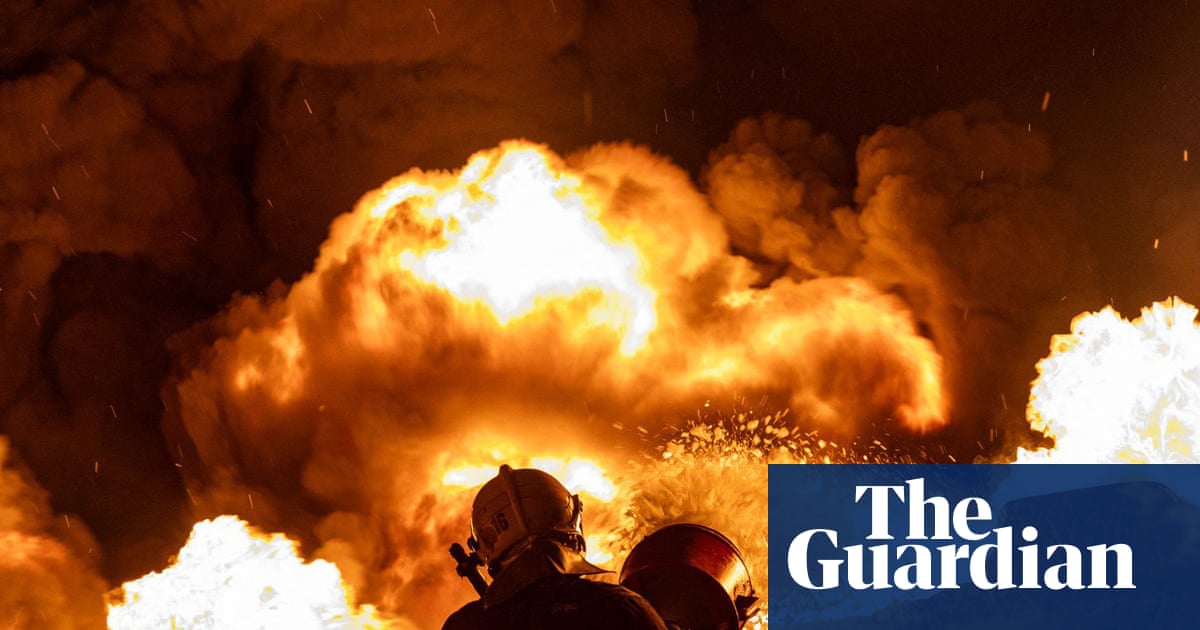
Russia launched a major wave of drone and missile strikes on Kyiv and Kharkiv early Saturday, January 24, 2026, as U.S., Ukrainian and Russian negotiators met in the United Arab Emirates for a second day of talks aimed at ending the war. Ukrainian officials described the attack as an effort to undermine diplomacy, while the negotiations continued despite the escalating violence and mounting humanitarian strain from winter conditions.
Strikes coincide with diplomacy
Ukraine’s foreign minister, Andrii Sybiha, said the latest barrage amounted to “terror” directed not only at civilians and infrastructure but also at the negotiating process itself. Despite the attacks, discussions resumed and officials suggested another round of dialogue could come soon, reflecting a tense pattern of diplomacy occurring alongside active military operations.
Kyiv faces deepening outages
Officials in Kyiv reported deaths and injuries and described widespread disruption to heating, power and water. Local authorities said thousands of apartment blocks lost heat, and engineers faced an urgent task reconnecting buildings as temperatures dropped well below freezing. The strikes added to a winter energy crisis that has repeatedly left large residential areas without basic services.
Kharkiv hit again, including medical sites
In Kharkiv, a city frequently targeted because of its proximity to the Russian border, officials said multiple drones struck several districts over hours. Ukrainian statements described impacts on civilian sites, including a dormitory for displaced people and medical facilities, underlining the risks to noncombatants even when diplomatic meetings are underway.
Air defense and next steps
President Volodymyr Zelenskyy said commitments on air defense discussed with U.S. President Donald Trump at the World Economic Forum in Davos should be implemented, underscoring Kyiv’s focus on protecting cities as winter strain grows. Meanwhile, the negotiations remained clouded by disputes over territory and concerns that Russia’s insistence on its demands will limit near-term progress.
A familiar contradiction: war and talks
The timing of the strikes reinforced a central contradiction of the current phase of the conflict: attempts at negotiated settlement continuing in parallel with attacks that inflict new damage on infrastructure and civilian life. As the talks proceed, Ukrainians face the immediate challenge of restoring electricity and heat, while diplomats confront questions about whether battlefield escalation can be reconciled with meaningful progress at the table.