Netflix and Warner Bros. Discovery amended their merger agreement to an all-cash structure, aiming to provide more certainty for shareholders and accelerate the timeline toward a vote expected by April 2026.
The same storm system bringing widespread ice and snow is also hitting business operations, from flight cancellations to power failures that interrupt factories, warehouses and retailers. Companies and local governments are bracing for knock-on effects as the cold lingers.
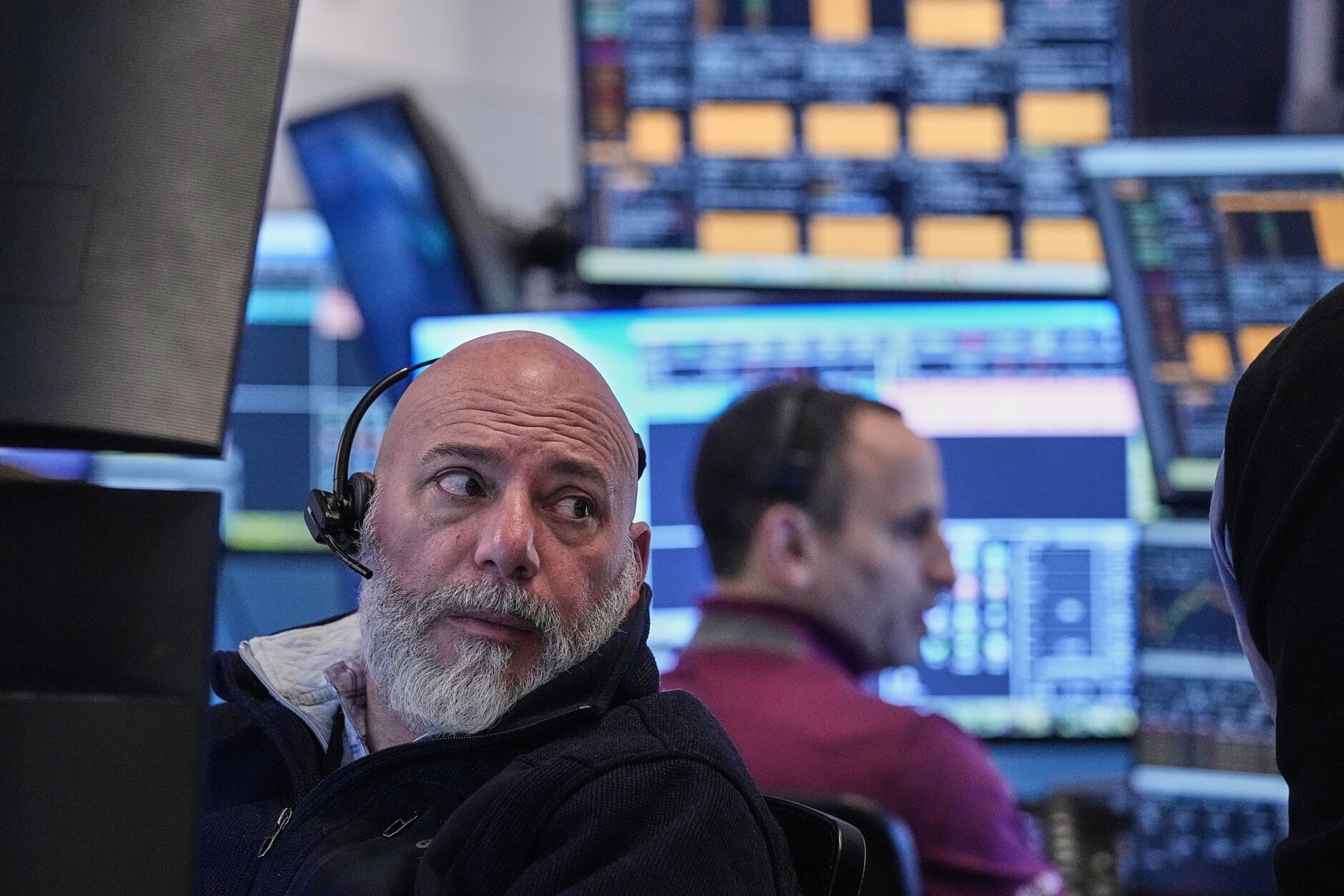
Investors are watching the Federal Reserve’s first 2026 rate decision and a wave of major corporate earnings while political uncertainty—tariff threats and potential shutdown brinkmanship—adds to volatility concerns.
Investors are heading into a heavy earnings stretch featuring major technology and industrial names, with attention split between corporate guidance, interest-rate expectations, and market volatility after a politically tense start to the year.
Investors are watching the Federal Reserve’s upcoming rate decision and a heavy slate of corporate earnings across tech, industrials, energy and finance, looking for signals on inflation, growth and the trajectory of AI spending.
Netflix revised its bid for Warner Bros. Discovery’s studio and streaming assets into an all-cash offer, aiming to speed up shareholder approval while fending off a rival tender offer from Paramount-Skydance and preparing for antitrust scrutiny.
U.S. markets logged their worst day in months as tariff threats against multiple European countries reignited trade-war fears and pushed investors toward gold and other havens.
The World Economic Forum’s annual meeting in Davos (Jan. 19–23, 2026) wrapped with leaders and executives debating growth, contested geopolitics, and how innovation can scale responsibly amid rising tensions.
Investors are bracing for the Federal Reserve’s first rate decision of 2026 and a wave of high-profile corporate earnings. With inflation still elevated, markets will scrutinize Chair Jerome Powell’s messaging alongside results from Microsoft, Meta, Tesla and Apple.
U.S. equities fell sharply after renewed tariff fears and geopolitics revived a ‘risk-off’ mood, pushing investors away from high-multiple names and sending major indexes to their weakest session in months.
Markets slid as investors reacted to President Trump’s threatened tariffs on several NATO countries amid an escalating dispute over Greenland. Technology stocks led the losses, and the selloff revived concerns about how geopolitics could translate into higher trade barriers and renewed volatility.
The U.S. Commerce Department says a new agreement with Taiwan will spur at least $250 billion in direct investments by Taiwanese semiconductor and technology firms in U.S. chip, AI, and energy capacity, alongside additional credit guarantees designed to expand the broader supply-chain ecosystem.
:max_bytes(150000):strip_icc()/GettyImages-2256116086-241e1af72f2f41f0b8191808cbe519f8.jpg)