CES 2026: Nvidia pitches ‘physical AI,’ previews robotics and next-gen chips as competition heats up
At CES 2026 in Las Vegas, Nvidia highlighted “physical AI,” new models for simulation and autonomous driving, and described its next-generation AI chip platform as moving into production—signaling an intensifying race to power the AI boom.
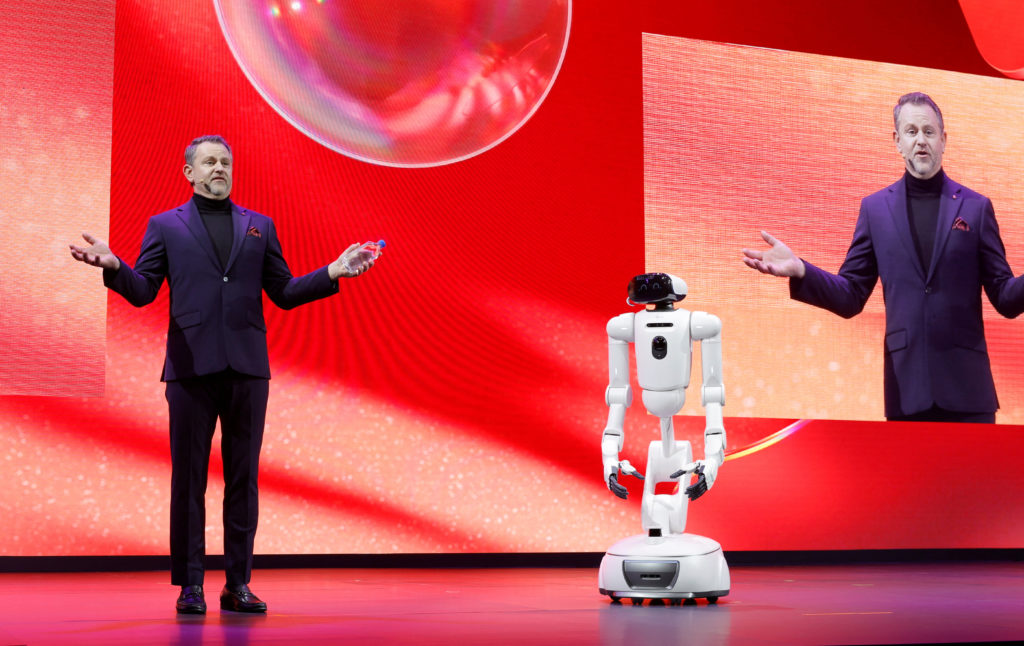
At CES 2026 in Las Vegas, Nvidia used its main-stage spotlight to argue that the next wave of artificial intelligence will be less about text and images and more about machines that operate in the real world. The company described this direction as “physical AI,” a strategy that trains models inside simulated environments—often built with synthetic data—so that robots and autonomous systems can learn behaviors before being deployed outside the lab.
Nvidia CEO Jensen Huang showcased new AI models aimed at simulation and autonomy, emphasizing how virtual environments governed by physics can accelerate training and reduce the cost and risk of real-world testing. The company also discussed work tied to self-driving capabilities, positioning its approach as a foundation for cars, industrial machines, and robotics platforms that need to handle uncertainty, motion, and complex interactions.
Beyond the software narrative, Nvidia pointed to its hardware roadmap—saying its next-generation AI chip platform is in production—underscoring how demand for compute remains the defining constraint in modern AI. The company framed the moment as a race to build end-to-end ecosystems: chips, networking, developer tools, and model frameworks that make large-scale deployment feasible for enterprises that want reliability, performance, and predictable costs.
CES audiences also got a reminder of how quickly AI is blending into consumer-friendly demos. Nvidia’s emphasis on robotics and autonomous agents is not just spectacle; it is a bid to shape where developers invest and how companies architect future products. The message was clear: the next competitive battleground is connecting AI models to sensors, actuators, and real-world tasks—and whoever controls the platform stack may control the market.