Timberwolves and Warriors play amid grief and protests in Minneapolis
Minnesota returned to the court in a somber atmosphere as the Timberwolves hosted the Warriors after a postponement linked to the fatal shooting of a local nurse, with players and coaches struggling to process events beyond basketball.
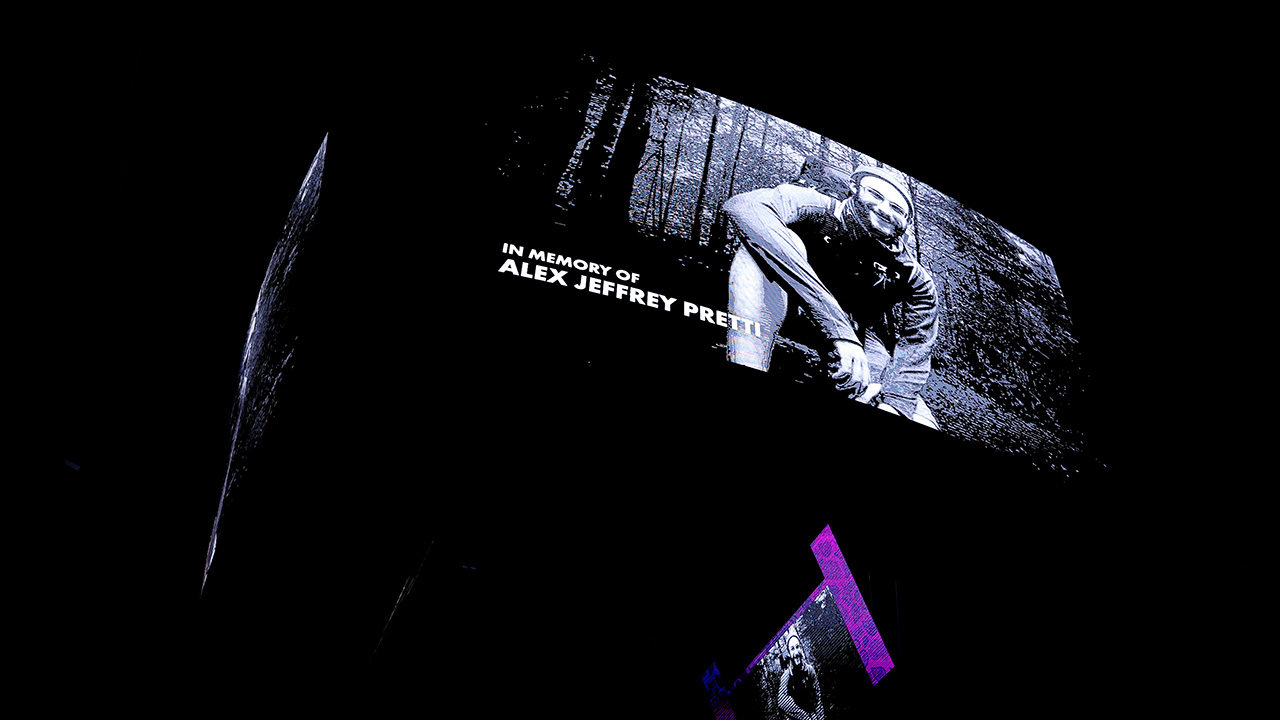
The Minnesota Timberwolves and Golden State Warriors played a game that felt secondary to everything happening outside the arena, as Minneapolis continued to mourn and protest after the fatal shooting of 37-year-old ICU nurse Alex Pretti by a federal officer. The matchup came a day after the NBA postponed the original schedule, acknowledging the extraordinary circumstances surrounding the city.
Coaches and players described an unusually heavy mood in the building. Golden State’s Steve Kerr said the atmosphere was among the most somber he had experienced, while Minnesota’s Chris Finch spoke emotionally about fear and pain in the community amid the broader immigration crackdown that has fueled days of demonstrations.
Before tipoff, Minnesota held a moment of silence for Pretti, echoing a similar tribute earlier in January for another shooting victim tied to federal enforcement activity. For many fans, the game functioned less as entertainment and more as a communal gathering—an attempt to hold onto routine while the city’s attention remained fixed on accountability and public safety.
The on-court product reflected the emotional weight. Players on both sides acknowledged that focus was difficult, and the typical rhythms of competition were interrupted by the awareness that teammates, staff, and supporters were processing real-time civic trauma.
Around the sports world, athletes and fans continued to react, with some issuing statements of solidarity and others urging de-escalation. The episode added to a growing pattern in American sports: games and arenas becoming venues where national debates about policing, immigration, and civil rights surface immediately and publicly.
As Minneapolis weighs next steps—investigations, policy responses, and the shape of future demonstrations—players said they hoped the community would be heard and protected. The night’s enduring image was less about highlights than about a city trying to breathe through a crisis, even while the clock kept running.