Calls intensify to remove Homeland Security chief after Minneapolis killings, as lawmakers demand accountability
U.S. political pressure surged after fatal shootings tied to federal immigration operations in Minneapolis, with lawmakers and activists pushing for leadership changes at DHS and stronger oversight of enforcement practices.
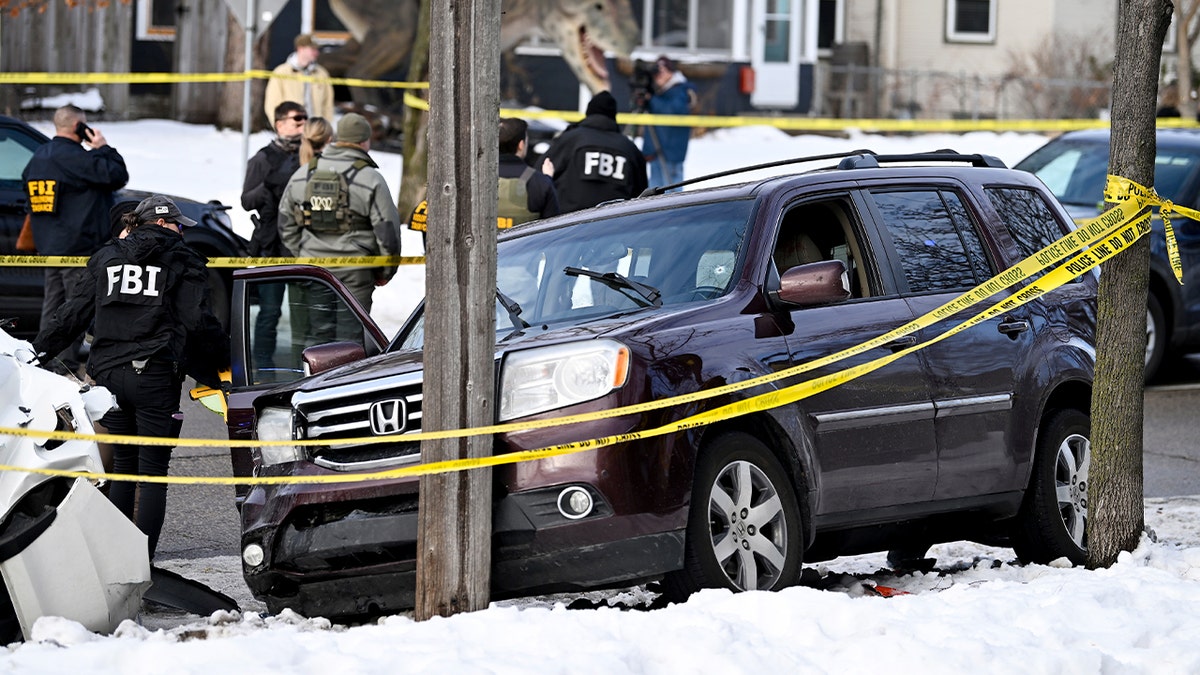
WASHINGTON — Political pressure on the Department of Homeland Security escalated on Tuesday as lawmakers and advocacy groups intensified calls for the administration to remove the agency’s top leadership following fatal shootings connected to federal immigration enforcement activity in Minneapolis.
The latest surge of criticism follows two high-profile deaths that have become emblematic of the administration’s enforcement posture. Critics argue the events show a breakdown of judgment, command discipline, and transparency in situations that can turn volatile within seconds. Supporters of the crackdown counter that federal agents face unpredictable threats and must be empowered to enforce the law.
In Congress, the response has included renewed demands for briefings, internal incident reports, and clarity about what operational rules federal teams are using when operating alongside or in conflict with local officials. Several lawmakers said that if leadership cannot demonstrate credible oversight, the agency’s top officials should step aside.
The controversy has quickly expanded beyond a single incident. Civil-rights organizations are pressing for stronger limitations on deployments and clearer standards for use-of-force decisions, while labor and community groups have framed the events as part of a wider pattern of aggressive operations in major metro areas.
Local leaders in Minnesota have demanded that federal authorities explain the rationale for the surge, identify who authorized tactics used on the ground, and provide a timeline of decisions made before and after the shootings. Protesters say accountability must go beyond personnel reshuffling and include policy reforms and legal consequences where warranted.
For the White House, the issue is emerging as a significant political test: how to defend a signature enforcement agenda while responding to a public backlash that is spreading nationally. Whether leadership changes occur or not, lawmakers signaled they will continue investigating how DHS and its components are being directed.