Border Patrol commander set to leave Minneapolis after fatal shooting of ICU nurse Alex Pretti
The Border Patrol commander who became the face of a high-profile immigration crackdown in Minneapolis is expected to leave the city as the Trump administration reshuffles leadership and signals a possible reduction in the federal presence after backlash over the killing of nurse Alex Pretti.
Leadership shake-up after a weekend killing
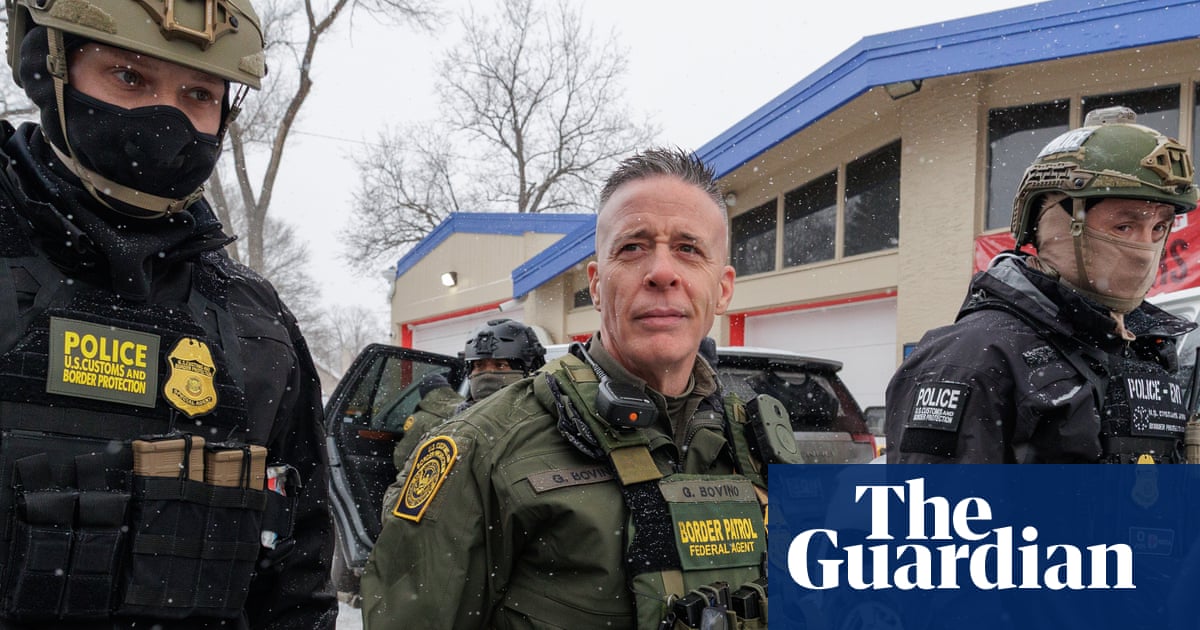
The Border Patrol commander closely associated with the Trump administration’s Minneapolis immigration operation is expected to depart the city as soon as Tuesday, Jan. 27, 2026, after intense public outrage over the fatal shooting of Alex Pretti, a 37-year-old intensive care unit nurse. The Guardian reported that Gregory Bovino—widely seen as a key on-the-ground figure in the federal push—was being moved out as the White House restructured the operation and began to scale back parts of the federal presence.
According to the report, a senior administration official told Reuters that Bovino would leave Minnesota along with some of the agents deployed with him. Another person familiar with the change said Bovino had been stripped of a specially created “commander at large” title and would return to a previous role along the U.S.–Mexico border in California’s El Centro sector. The Department of Homeland Security pushed back on aspects of the demotion narrative, adding another layer of political and bureaucratic ambiguity around the move.
A crackdown that became a national flashpoint
Bovino had become a recognizable face of the administration’s city-based enforcement campaign through frequent media appearances and highly produced videos that critics said were meant to project a militarized image of immigration operations. The Guardian described him as an aggressive promoter of the deportation agenda and a lightning rod for criticism from Democrats and civil liberties groups—an unusually public posture for a law-enforcement official operating in a politically combustible environment.
The immediate trigger for the shake-up was the killing of Pretti by federal agents over the weekend. The incident drew condemnation across party lines and deepened scrutiny of tactics used in what the administration had framed as a necessary surge. The report also referenced a second fatal shooting connected to the operation, contributing to the sense that the federal approach in Minnesota had become untenable without a visible change in leadership.
White House damage control and new oversight
President Donald Trump announced that Tom Homan, described as his “border czar,” was being sent to Minnesota to oversee the operation directly. That shift suggested an attempt to centralize control and contain political fallout, especially as the White House appeared to moderate earlier rhetoric about the shooting after video and public reaction intensified scrutiny.
Local officials, including Minneapolis Mayor Jacob Frey and Minnesota Governor Tim Walz, were reported to have engaged with the administration as the situation escalated. In parallel, protests continued, with demonstrators gathering near a hotel where Bovino was believed to be staying—an illustration of how quickly a federal enforcement campaign can turn into a localized crisis with national political consequences.
What the departure signals
Whether Bovino’s exit becomes a true change in strategy or only a change in optics will likely depend on what happens next: how operations are conducted under new oversight, whether accountability measures follow, and how the administration responds to ongoing legal and political challenges. For now, the move functions as a visible acknowledgment that the Minneapolis operation, as it was being run, had become politically unsustainable.