White House distances Trump from “assassin” remarks after Minneapolis protester’s killing draws scrutiny of federal operation
The White House says President Donald Trump did not label a killed Minneapolis protester an “assassin,” as investigations and calls for oversight grow around a high-profile federal immigration enforcement operation.
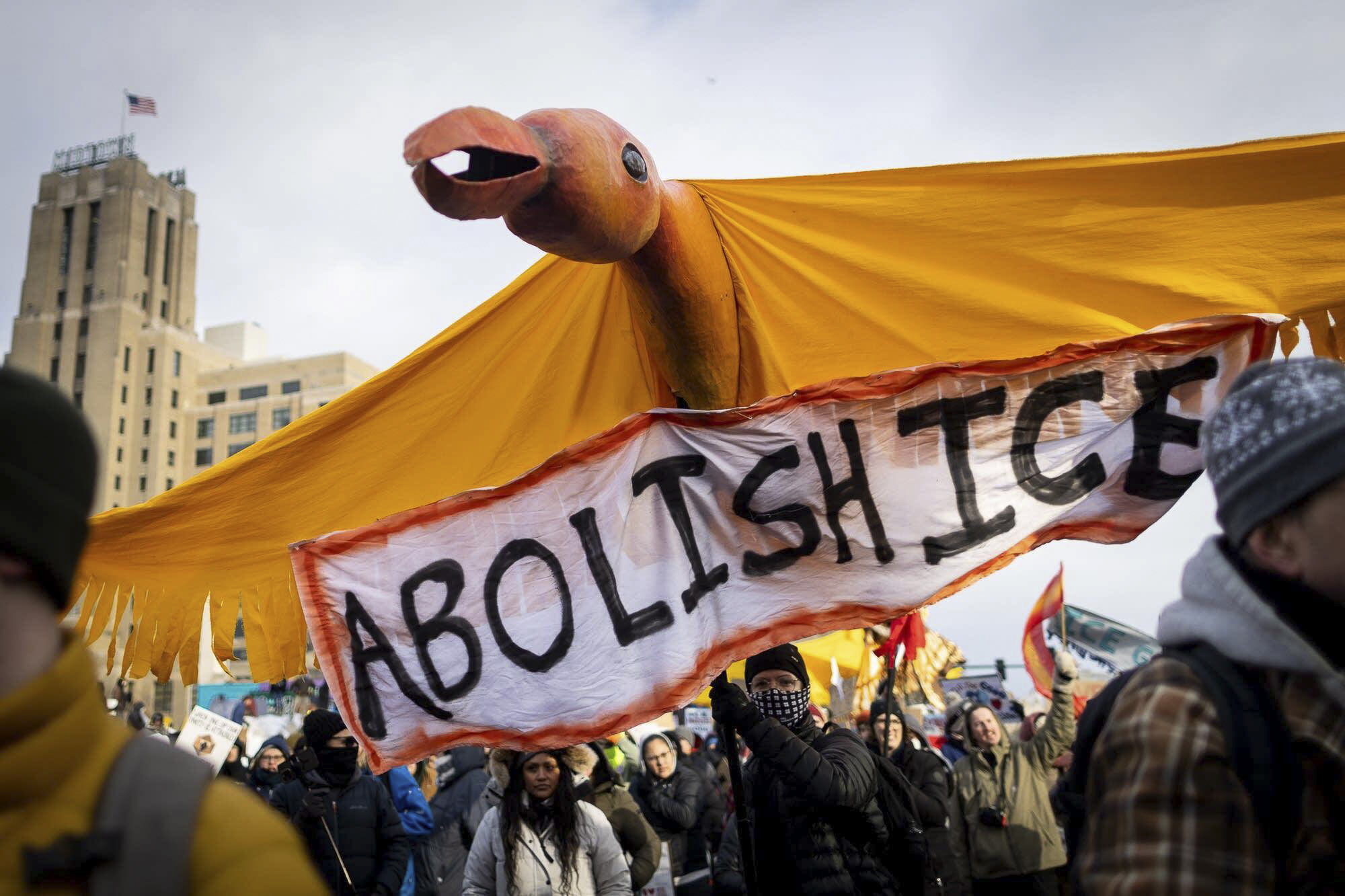
A fatal encounter becomes a national political flashpoint
The White House moved Monday, January 26, 2026, to distance President Donald Trump from inflammatory language used by some administration officials after the killing of Minneapolis protester Alex Pretti during a confrontation involving a federal Border Patrol officer. The death has intensified national debate over immigration enforcement tactics, federal authority, and accountability in high-tempo operations.
According to reporting, a senior White House official and the Department of Homeland Security leadership faced questions after public remarks described Pretti in extreme terms. Press Secretary Karoline Leavitt said Trump himself did not use those labels, while emphasizing that multiple investigations are underway, including by the FBI, DHS, and Customs and Border Protection.
Investigations expand amid competing narratives
The case has drawn heightened attention because of competing accounts of what happened during the encounter, including public claims that video evidence conflicts with the initial federal narrative. As protests continued, critics argued that the operation’s structure and rules of engagement create unnecessary risk for civilians and officers alike, especially when protests, drones, and crowd-control dynamics overlap.
Authorities have also tightened restrictions around federal enforcement activity, including limits related to airspace and drones near operational areas. Those steps, officials argue, are designed to prevent interference and improve officer safety; opponents counter that they can reduce transparency and complicate independent documentation.
Bipartisan pressure for oversight
The fallout has prompted calls for congressional review from both parties. Several Republican and Democratic figures have argued that any death in a contentious enforcement operation must be examined publicly and rigorously. A federal judge is also considering whether to halt or constrain the broader enforcement push, citing constitutional concerns raised in filings and public reporting.
Trump, meanwhile, defended the general rationale for federal action and criticized local Democratic leadership, while also indicating he had a “productive” discussion with Minnesota Governor Tim Walz. The mix of defense, distancing, and investigation underscores how quickly the episode has shifted from a local incident into a national test of immigration policy and federal policing legitimacy.
What happens next
In the near term, investigators will likely focus on the officer’s actions, the command structure for the operation, and the accuracy of early public claims. Politically, the administration faces pressure to demonstrate transparency without undermining ongoing inquiries—while critics and supporters alike watch for whether operational changes, disciplinary action, or new guardrails follow.