Trump signals possible reduction of federal agents in Minnesota after Minneapolis backlash
Minnesota Gov. Tim Walz’s office says President Donald Trump agreed to look into cutting the federal presence and coordinating more closely with the state after protests over the fatal shooting of Alex Pretti by federal immigration agents. Legal fights over the operation and demands for independent investigation intensified Monday.
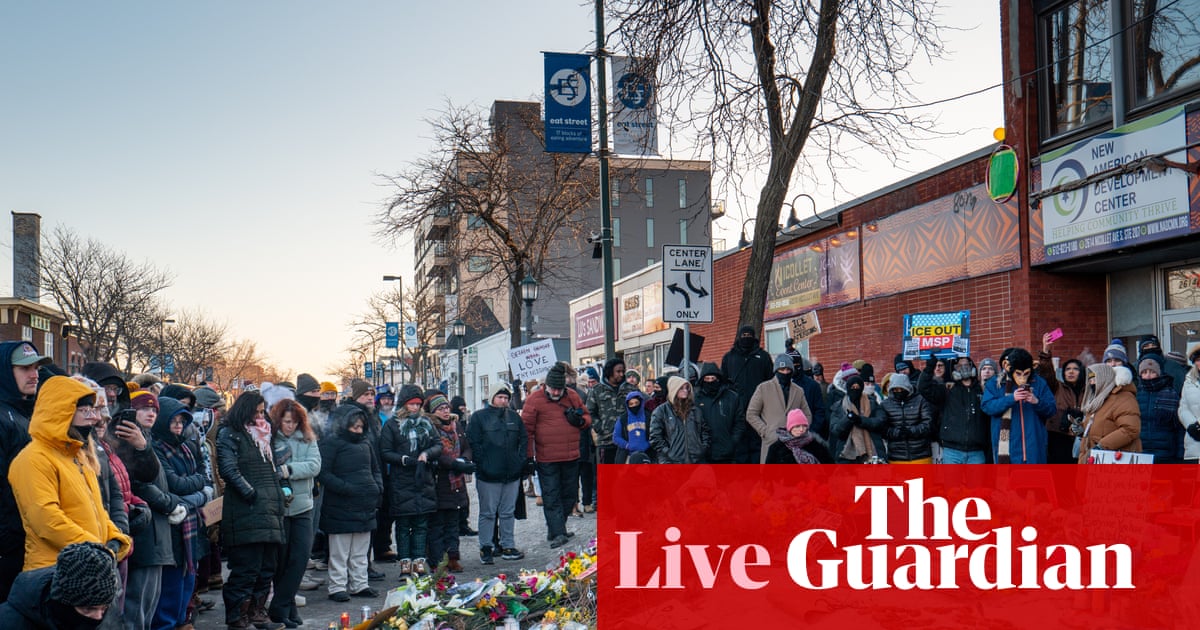
Call with Walz follows protests and court scrutiny
President Donald Trump agreed to “look into” reducing the number of federal agents deployed in Minnesota and to pursue more coordinated work with state authorities, according to a statement from Gov. Tim Walz’s office. The message came as public anger grew over the killing of Alex Pretti in Minneapolis during an immigration-enforcement operation and as legal challenges to the surge moved through federal court.
Walz’s office characterized the conversation as productive and said Trump also agreed to speak with the Department of Homeland Security about ensuring the Minnesota Bureau of Criminal Apprehension can conduct an independent investigation, as would normally occur in a fatal incident involving law enforcement.
Dispute over the scope and tactics of the operation
The federal deployment has drawn intense scrutiny, with state and local officials arguing that the operation has disrupted public safety, strained local resources and interfered with investigative work. The White House and federal agencies, meanwhile, have defended the surge as part of a push targeting violent criminals and broader immigration enforcement priorities.
On Monday, the controversy continued to spill into Congress, where lawmakers from both parties called for briefings and testimony, while Democratic leaders tied the dispute to broader fights over homeland security funding and a looming deadline for appropriations.
What happens next
The governor’s office said the president did not commit to a timeline for any drawdown, and it remains unclear how quickly, or how broadly, federal officials would change their posture. Court proceedings on the legality of parts of the surge and on evidence preservation in the Pretti case were also expected to influence the next steps taken by both the administration and Minnesota officials.