Jack Smith defends Trump investigations at combative House hearing: ‘No one should be above the law’
Former special counsel Jack Smith defended the work behind his criminal investigations into Donald Trump during a polarized congressional hearing, arguing the evidence justified the cases and warning against treating the rule of law as partisan.
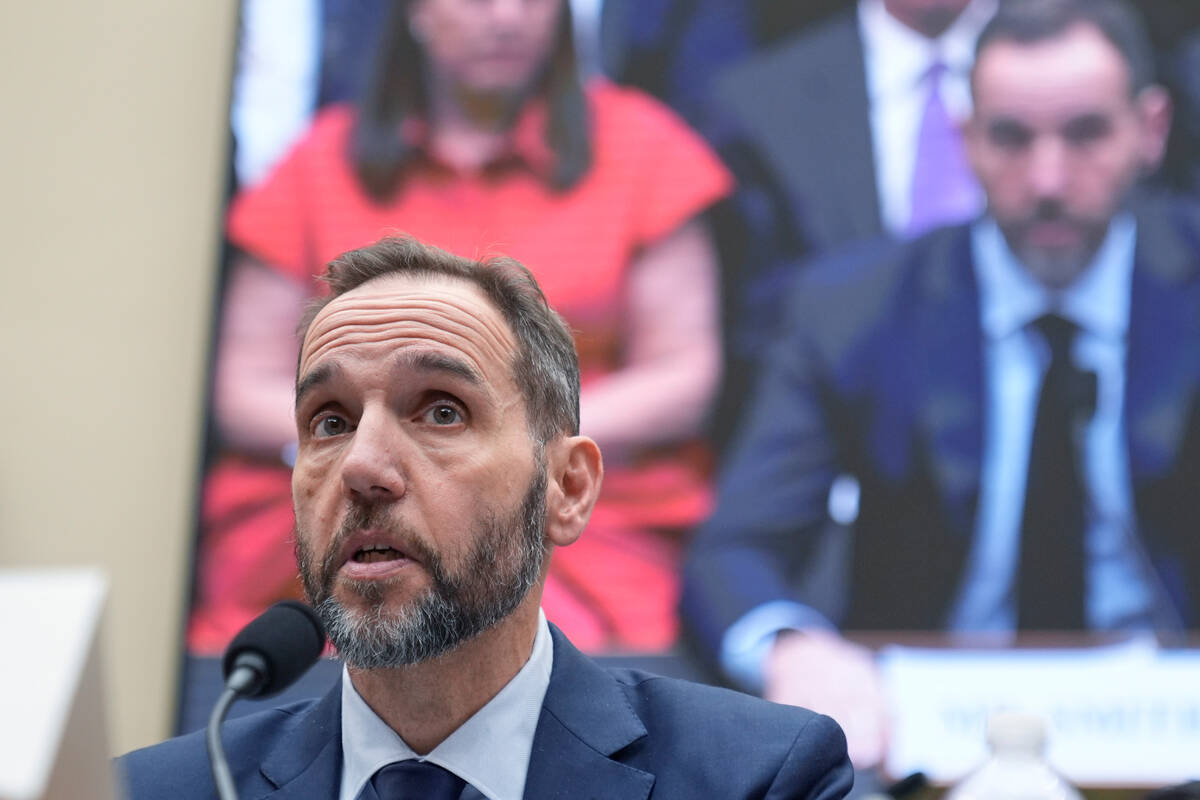
A public defense of a politically explosive investigation
Former Justice Department special counsel Jack Smith appeared before Congress and defended his investigations into President Donald Trump, describing the core principle of the work in blunt terms: the law must apply equally, regardless of political power. The hearing quickly became a proxy battle over institutional legitimacy, with lawmakers using the session to relitigate the merits and motives of prosecutions that have shaped American politics for years.
Smith emphasized that his team pursued the cases based on evidence and established prosecutorial standards, not partisan goals. He said the investigative steps taken, including aggressive use of subpoenas and the review of communications, were consistent with normal criminal inquiries involving complex conspiracies and high public stakes.
Republican accusations and Democratic defenses
Republican members criticized the investigations as overreach and argued that the legal process was used as a political weapon. Several focused on investigative tactics and raised concerns about separation of powers, especially where lawmakers’ records and communications were implicated. They also questioned the broader judgment calls that shaped the scope and timing of the prosecutions.
Democrats countered that the investigations reflected a standard application of criminal law to extraordinary facts. They framed the hearing itself as political theater designed to undermine public trust in the Justice Department and normalize the idea that certain officials, especially presidents, should be insulated from accountability.
What Smith said about the evidence
Smith told lawmakers he believed the evidence supported the prosecutions, including allegations related to efforts to overturn the 2020 election and the handling of classified documents after Trump left office. He argued that public officials should not receive a special exemption from investigation simply because enforcing the law may be politically uncomfortable.
He also noted that prosecutorial decisions were made in the context of Justice Department norms, including rules and policies that can limit prosecutions of sitting presidents. That tension—between legal accountability and institutional constraints—remains a central unresolved issue in U.S. governance.
The broader stakes: independence and retaliation fears
The hearing took place against a backdrop of concerns about the independence of federal law enforcement and the potential for retaliation or political influence over criminal justice institutions. Smith acknowledged the charged environment and the risks that prosecutions of powerful figures can generate, including threats directed at investigators and prosecutors.
The long-term implication is less about one witness appearance and more about precedent: how future administrations and Congresses treat prosecutorial independence, and whether investigations into top officials are judged by evidence and standards or by partisan affiliation.