Schumer says Democrats will block funding bill if it includes DHS money after Minneapolis killing
Senate Democrats warned they will not help pass a government funding package if it contains Department of Homeland Security funding, citing outrage after the killing of Minneapolis nurse Alex Pretti and demanding tougher oversight of immigration enforcement.
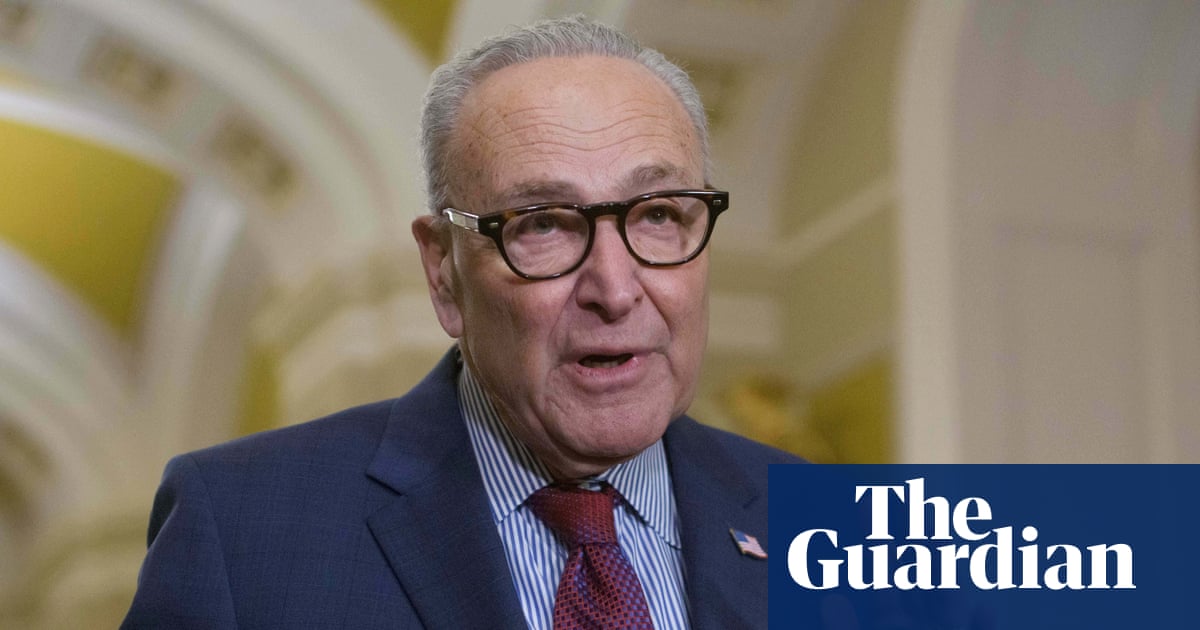
A political showdown is unfolding in the U.S. Senate after Senate Minority Leader Chuck Schumer said Democrats are prepared to block a government funding package if it includes money for the Department of Homeland Security. The threat comes in the wake of the fatal shooting of Alex Pretti, a 37-year-old nurse in Minneapolis, during a federal immigration enforcement encounter that has sparked protests and renewed scrutiny of Immigration and Customs Enforcement.
The funding dispute centers on whether DHS—along with ICE—should receive appropriations without added accountability requirements. Democrats argue that recent incidents show a pattern of aggressive tactics and insufficient transparency, and they want concrete safeguards before agreeing to fund the department at proposed levels. The debate is not simply about totals; it is also about conditions, oversight language, and whether Congress can enforce operational changes through appropriations.
Lawmakers who support the hard line say that without leverage, reforms will never happen. They are pressing for measures such as stronger identification rules for agents, standardized training and de-escalation procedures, and clearer warrant and documentation requirements. Critics of the blockade approach say it risks forcing a partial shutdown and could disrupt security and disaster-response capabilities, while also politicizing investigations that should be handled through independent review.
Behind the scenes, Senate leaders are exploring whether the DHS portion of a broader funding deal could be separated, modified, or delayed to keep the rest of the government funded. But that option carries its own risks, including creating an accelerated, high-stakes fight over homeland security money in isolation. With deadlines looming, the outcome will test how far each party is willing to go—and whether the Minneapolis case reshapes immigration enforcement oversight in the near term.