Protests grow after Minneapolis shooting by federal agents, intensifying scrutiny of immigration enforcement
The killing of an American citizen in Minneapolis by federal agents sparked demonstrations in multiple cities and renewed calls for accountability and limits on immigration enforcement operations. Democratic leaders signaled they could use the budget process to pressure the administration, while local officials demanded answers about the incident.
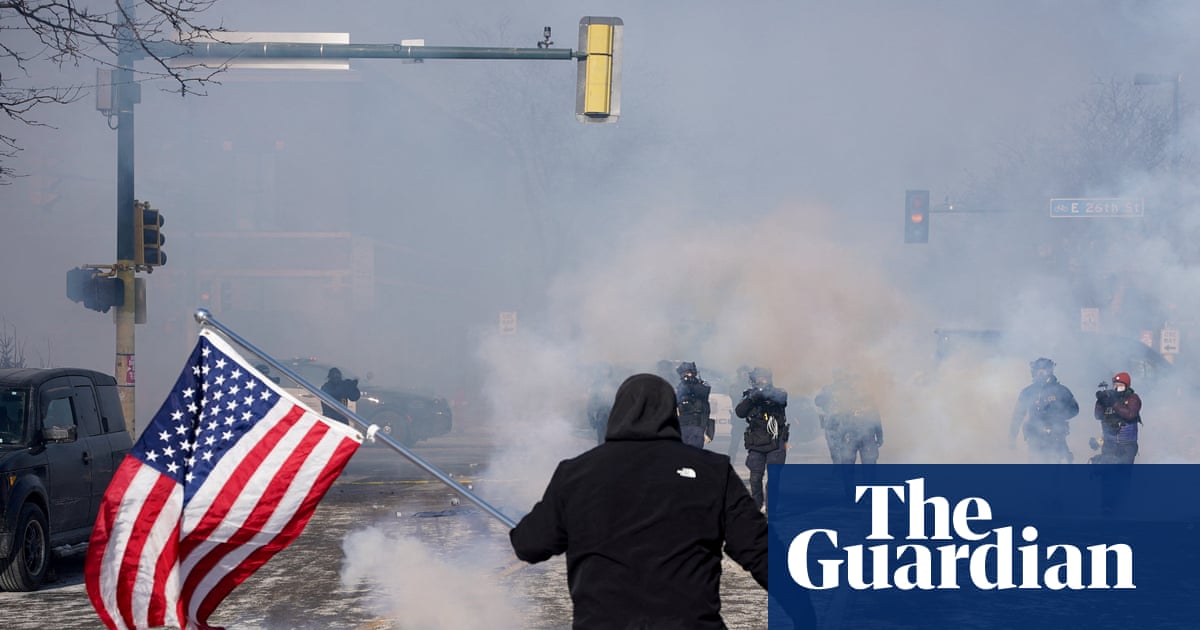
Protests spread to multiple U.S. cities after federal law enforcement officers fatally shot Alex Pretti, a 37-year-old registered nurse in Minneapolis, in an incident that has become a flashpoint in the country’s debate over immigration enforcement. Demonstrations intensified over the weekend of January 24–25, 2026, with crowds gathering despite extreme cold to denounce what they described as abusive tactics and to demand accountability for federal agencies involved in immigration operations.
A disputed account and public anger
The shooting drew particular outrage because video circulating publicly appeared to contradict official claims about what happened at the scene. According to reporting, footage suggested Pretti was holding a phone rather than a weapon at the moment federal agents tackled and shot him, raising questions about the justification offered by senior officials and intensifying calls for an independent review of the incident.
Demonstrations nationwide
Thousands rallied in cities including Minneapolis, New York City, San Francisco, Boston and Providence, with demonstrators linking the shooting to broader concerns about immigration crackdowns. Speakers and organizers framed the protests as part of a wider movement opposing ICE operations and demanding reforms, with some demonstrators calling for the agency to be dismantled.
Local leaders demand answers
Minneapolis Mayor Jacob Frey publicly condemned the incident and questioned how many more people would need to be harmed before the federal operation ends. State officials also criticized the situation, and the shooting’s political fallout escalated quickly as more details emerged and public pressure grew.
Congressional pressure via funding
In Washington, Senate Democratic leader Chuck Schumer said Democrats could block a funding package if it included money for the Department of Homeland Security, which oversees Immigration and Customs Enforcement. The threat signaled that the issue could become entangled in near-term budget negotiations, turning the Minneapolis incident into a broader confrontation over federal enforcement policy and oversight.
Where the dispute goes next
The shooting and subsequent protests have sharpened demands for transparency about rules of engagement, command decisions and the role of federal agents operating in cities. As investigations and political responses unfold, the episode is likely to remain a high-profile test of how the administration addresses public accountability, civil liberties concerns and the enforcement approach driving its immigration agenda.