Outrage grows after second fatal federal-agent shooting in weeks, fueling protests and a funding fight in Washington
A fatal shooting involving federal officers sparked fresh national protests and renewed scrutiny of enforcement tactics. Democratic leaders signaled they may use budget leverage to force changes, as video and witness accounts intensified public anger.
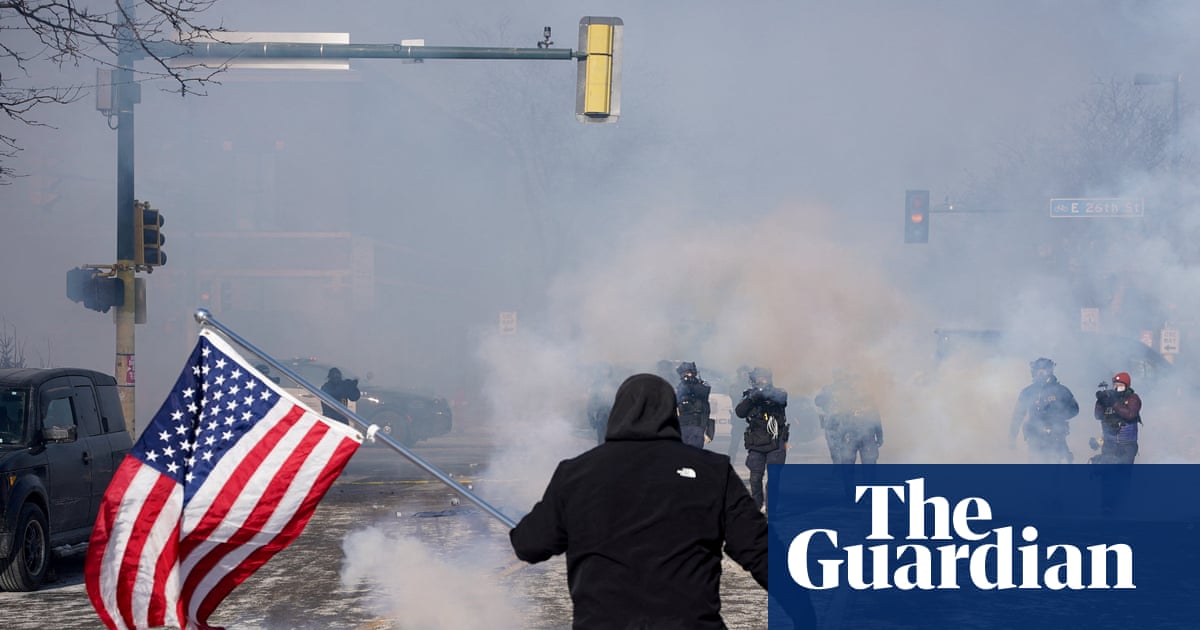
Political tensions escalated in the United States on Sunday, January 25, 2026, after a fatal shooting involving federal agents became the latest flashpoint in a broader national argument over enforcement, accountability and executive power. The incident was described as the second deadly federal-agent shooting in a matter of weeks, and it quickly produced protests and a new set of demands from Democratic lawmakers for stronger oversight of federal operations.
According to reporting and public statements referenced in the day’s coverage, the shooting occurred during an encounter involving federal officers in Minneapolis. Video evidence circulating after the incident intensified scrutiny of official claims about the threat posed by the victim, and activists said the footage contradicted early government descriptions. The case immediately became a political symbol for critics who argue that federal enforcement has become more aggressive and less constrained.
Local leaders condemned the death and called for clarity about the circumstances and the rules governing federal actions in communities. The episode also intersected with a wave of broader protests aimed at immigration enforcement and federal policing, with demonstrators demanding changes ranging from tighter use-of-force standards to structural reforms that reduce federal agency presence in local operations.
In Washington, Democrats signaled they could move beyond hearings and statements by using the federal budget as leverage. Some party leaders suggested that funding for the Department of Homeland Security could face resistance unless the administration agrees to policy shifts, transparency measures and stronger accountability mechanisms. Republicans and administration officials pushed back, framing the debate as one about officer safety and national security.
The dispute played out alongside other political controversies, including criticism that White House messaging and scheduling appeared out of step with crises unfolding across the country. Opponents argued the administration was not showing sufficient urgency, while allies insisted the government was responding appropriately and that political opponents were exploiting a tragic situation.
The incident also exposed a recurring dynamic in modern U.S. politics: investigations can become immediate partisan battles before basic facts are established. Advocates demanded independent review and public release of all relevant footage, while administration defenders argued that selective video can mislead and that officers should not be judged in real time on social media.
As the protests spread and lawmakers prepared for budget confrontations, the case looked set to become a test of whether Congress can impose meaningful constraints on executive-branch enforcement policy. With trust in institutions already strained, both sides positioned the episode as evidence that the country’s system of checks and balances is either functioning—or failing—depending on one’s political view.