Former special counsel Jack Smith defends Trump investigations in polarized House hearing
Former special counsel Jack Smith told lawmakers that his Trump investigations were driven by evidence and the rule of law, not politics. Republicans accused him of misconduct and overreach, while Democrats defended the investigations’ integrity.
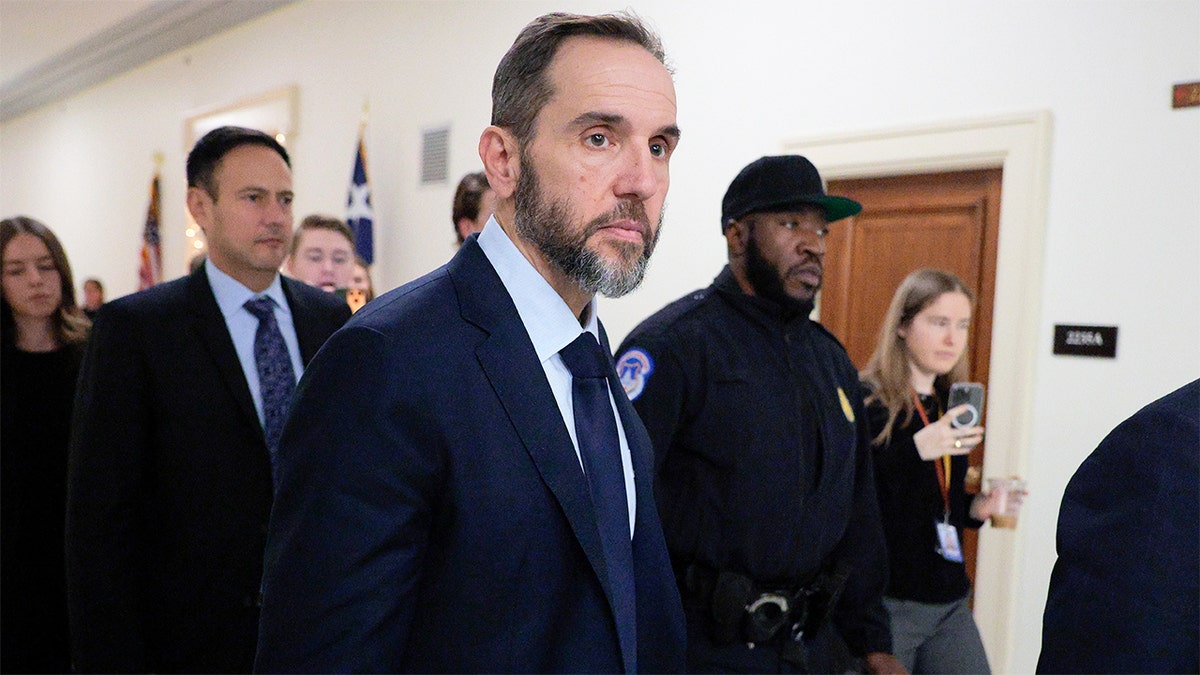
Smith’s central message: rule of law
Former Justice Department special counsel Jack Smith appeared before the House Judiciary Committee and defended the investigations his office conducted into Donald Trump. Smith argued that his decisions followed the evidence and long-standing legal standards, and he emphasized that prosecutorial judgments should not depend on a person’s political status or influence.
Smith’s testimony focused on how investigators assessed facts related to Trump’s efforts to overturn the 2020 election and the handling of classified documents after leaving office. He described investigative steps—such as subpoenas and witness interviews—as routine tools used in complex cases, and he framed the work as a conventional application of federal law.
A hearing split along party lines
The hearing quickly became a partisan battleground. Republicans argued Smith’s approach was politically motivated and criticized investigative tactics, including the use of subpoenas that touched elected officials. Several GOP lawmakers portrayed the probe as an example of federal power being used against political opponents.
Democrats, by contrast, defended the investigation’s legitimacy and emphasized that prosecutors must be able to pursue evidence wherever it leads. They pointed to the seriousness of the allegations at issue and argued that the justice system should not create special carve-outs for high-profile figures.
Why the testimony matters now
The confrontation reflected broader anxieties about the independence of federal law enforcement and the ways political conflict can shape public confidence in institutions. With debates continuing over what accountability should look like for powerful officials, Smith’s appearance served as a high-profile test of competing narratives: one casting prosecution as politics, the other casting it as basic rule-of-law enforcement.
The hearing did not resolve the underlying disputes, but it made clear that arguments over prosecutorial power, investigative norms, and institutional independence will remain a central feature of U.S. politics in 2026.