White House moves to scale back Minnesota immigration surge after Minneapolis shooting, as pressure mounts
The Trump administration signaled it may pull back federal agents in Minnesota after the fatal shooting of a healthcare worker during an ICE operation ignited national outrage, sparked protests, and intensified calls for accountability inside the Department of Homeland Security.
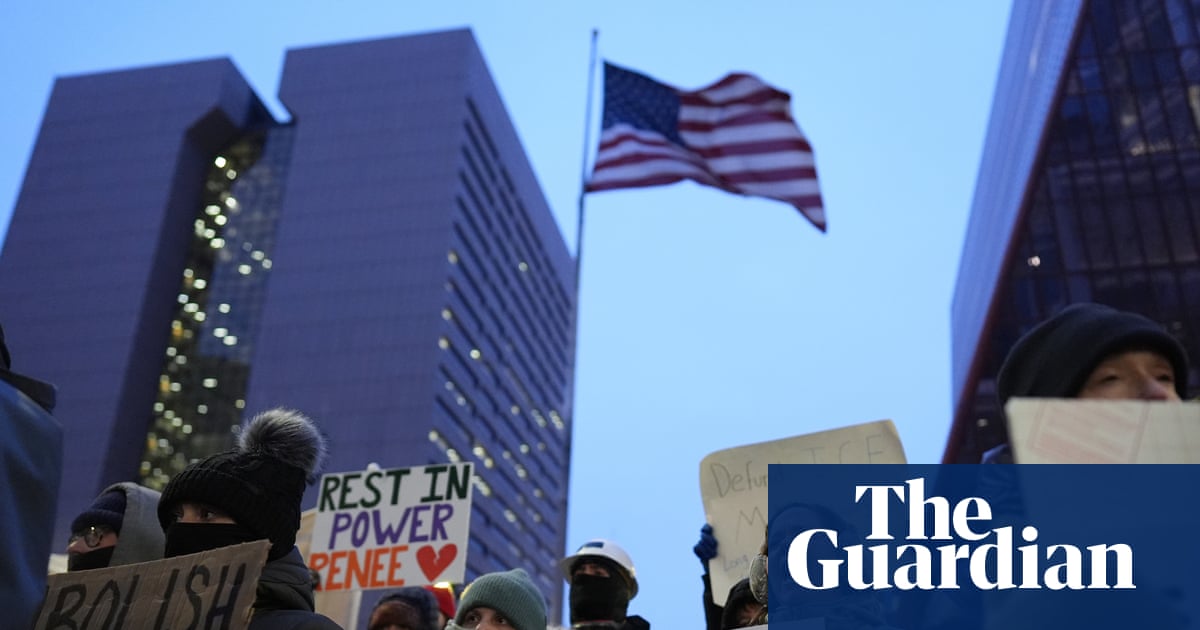
WASHINGTON — The White House indicated it is preparing to reduce a major federal immigration-enforcement deployment in Minnesota after a fatal shooting in Minneapolis set off days of protests and sharpened scrutiny of how Immigration and Customs Enforcement (ICE) and other federal units have been operating in U.S. cities. The incident, in which a healthcare worker was killed amid an enforcement action, has become a flashpoint for a broader political fight over the administration’s tactics and oversight.
Officials framed the prospective pullback as a move to “de-escalate” tensions and to reassess operational rules, while local leaders demanded immediate answers about the chain of command, the use of force, and what safeguards were in place to prevent a deadly encounter. Civil-rights advocates argue the Minneapolis case illustrates how quickly routine actions can turn into tragedy when heavily armed federal teams operate without transparent accountability.
Minnesota officials said anger has been fueled not only by the death itself, but also by competing claims about what happened in the moments before shots were fired. Demonstrators have continued gathering outside government buildings and near locations associated with federal officials, insisting that personnel changes alone are insufficient if policies remain intact.
Inside Washington, the fallout has widened. Members of Congress from both parties demanded briefings and pushed for more documentation, including body-camera policies, after reports that oversight and funding decisions affecting recordings and review processes have become part of the controversy. The administration, meanwhile, has faced criticism over rhetoric used to justify aggressive enforcement in public statements.
The White House’s messaging has been complicated by parallel disputes that are feeding into the same narrative of escalation: legal battles over enforcement authority, requests for sensitive voter data, and other moves that critics say reflect an expansive view of federal power. For residents in Minneapolis, however, the immediate focus remains the killing and the question of whether anyone will face criminal or civil consequences.
Local leaders have called for an independent review, including examination of video evidence and witness accounts, and have urged federal agencies to clarify what rules govern agent behavior when confronting armed or distraught civilians. Protest organizers say they will keep mobilizing until there is a public accounting of what happened and concrete limits on future deployments.