Winter Storm Fern batters the U.S., triggering widespread outages and travel chaos
A sprawling winter storm pushed freezing temperatures, heavy snow, and ice across much of the eastern U.S., disrupting travel and knocking out power for large numbers of households. Officials urged residents to limit travel as utilities and transportation systems struggled to keep up.
A major storm spreads across more than 20 states
Winter Storm Fern pushed a wide band of dangerous weather across the eastern half of the United States, with significant impacts reported across more than 20 states. The system combined heavy snowfall in some areas with freezing rain and bitter cold in others, creating hazardous driving conditions and straining local emergency services.
As the storm intensified, multiple states issued emergency declarations or heightened weather advisories. Local officials emphasized that conditions could deteriorate quickly—especially where temperatures were fluctuating around freezing, raising the risk of black ice and rapid changes from rain to snow.
Power failures mount as demand spikes
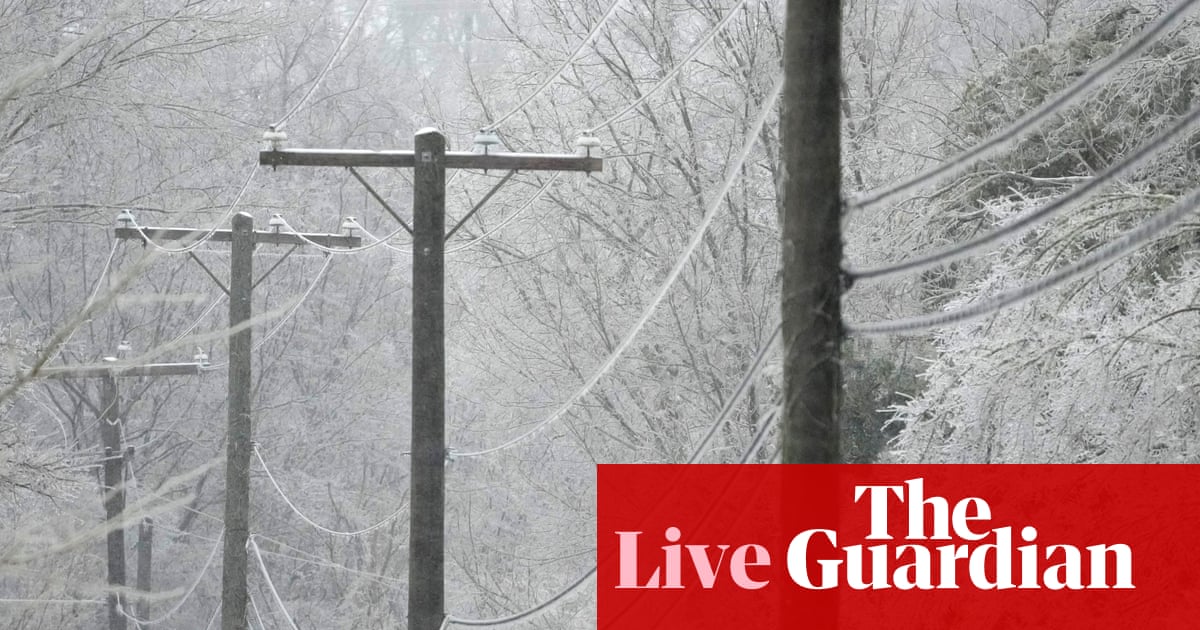
Power outages climbed into the hundreds of thousands and, in some places, exceeded one million customers affected. Utilities faced a tough mix of high demand, downed lines, and ice-laden infrastructure. Tennessee was among the hardest hit states, reporting particularly high outage totals during the peak of the storm’s impact.
The cold weather also drove up energy demand, and electricity prices spiked in some regions. Areas with heavy commercial load—such as zones with concentrations of data centers—saw especially sharp price swings as grids tried to balance supply and demand while crews worked to restore service.
Travel disrupted: flight cancellations and transit delays
Air travel was heavily affected, with thousands of flights canceled or delayed across major hubs. Airports along the East Coast and in parts of the South reported cascading disruptions as aircraft and crews were displaced, runways required continuous clearing, and de-icing operations slowed turnaround times.
Public transit services in some areas scaled back operations or temporarily paused routes, depending on local conditions. Authorities repeatedly warned drivers to avoid unnecessary trips, stressing that even well-treated roads could become slick as temperatures dropped.
Schools and public services adjust as the storm persists
With safety concerns increasing, some school districts announced closures and switches to remote learning for Monday. Municipal services also adjusted schedules, prioritizing road treatment, emergency response, and warming centers as the storm lingered into the start of the workweek.
Officials reminded residents to check on neighbors, prepare for extended outages, and follow local guidance on sheltering in place. As crews continued restoration and cleanup, the biggest immediate risks remained exposure to cold, traffic incidents, and unsafe heating practices during prolonged power failures.