Massive winter storm disrupts daily life across the U.S., forcing closures and travel chaos
A sprawling winter storm sweeping from the South into the Northeast is shutting schools, snarling roads, and stranding travelers, as millions remain under weather alerts and officials urge people to stay off icy streets.
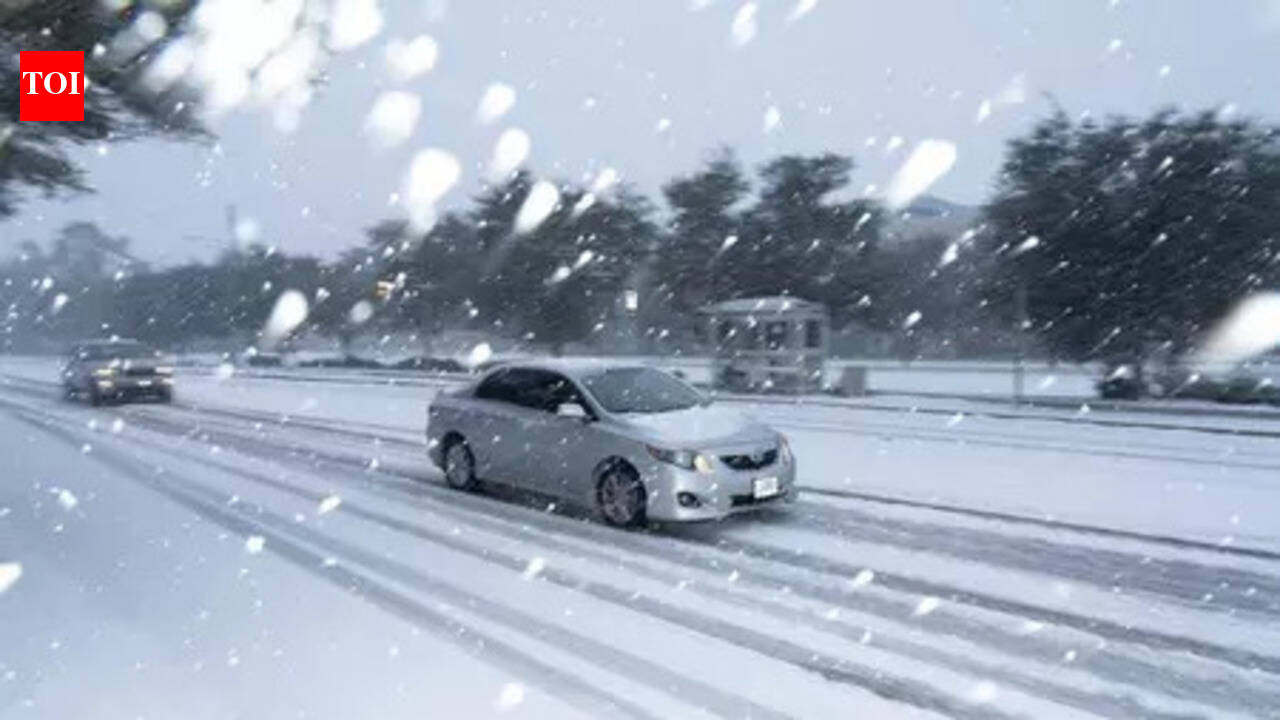
A coast-to-coast style disruption—without the coast-to-coast footprint
A powerful winter system on Monday, January 26, 2026, continued to batter large sections of the United States, triggering widespread closures and hazardous travel conditions. Communities from the southern states through the Ohio Valley and into the Northeast dealt with a mix of heavy snow, sleet, and freezing rain—conditions that quickly turned roads into skating rinks and complicated commutes, deliveries, and emergency response.
Local officials, school superintendents, and university administrators made rapid calls to protect students and staff, shifting to remote learning where possible or closing campuses outright. Many districts cited the same set of risks: deteriorating road conditions, rapidly changing precipitation types, and uncertainty about how long freezing temperatures would persist.
Schools and universities move fast as conditions change
Education systems were among the first to feel the operational shock. As forecasts and observed conditions evolved, many districts opted for full closures while others pivoted to online instruction. Administrators described the challenge as balancing continuity with safety—especially for bus routes, rural roads, and neighborhoods with limited road treatment.
In several areas, closures rippled beyond K–12 schools to include colleges and universities. Institutions cited concerns about commuter students, reduced staffing, and the likelihood that deteriorating weather would make even short trips risky. For families, the closures created a familiar winter-storm pattern: last-minute child care adjustments, changes to work schedules, and an increased reliance on remote options.
Travel disruptions stack up
Transportation systems faced compounding strain. Icy roads led to slower traffic, crashes, and stalled vehicles, while some airports and airlines contended with knock-on delays caused by conditions at major hubs. Even where snowfall totals were modest, the combination of freezing rain and wind created an outsized safety threat, forcing repeated reassessments of whether conditions were improving or worsening.
Officials emphasized that the most dangerous periods often arrive during transitions—when rain changes to freezing rain, or when temperatures hover just below freezing. Those borderline conditions can create invisible ice, particularly on bridges, overpasses, and untreated surfaces.
Power issues and emergency readiness
As the storm spread, some communities reported power outages tied to ice accumulation and wind, complicating home heating and disrupting routine services. Emergency managers urged residents to keep devices charged, prepare alternative heat sources safely, and check on neighbors—especially older adults and those with medical equipment needs.
With millions still under weather alerts, authorities continued to repeat a simple message: avoid unnecessary travel, slow down if driving is unavoidable, and follow local updates closely as conditions can shift block by block.