Winter Storm Fern spreads disruption as officials warn of dangerous snow, ice and bitter cold
A sprawling winter storm that forecasters call Fern is pushing across the United States, bringing heavy snow, icing risk and unusually cold air. Airports and highways are seeing widespread delays, while states and cities activate emergency plans and urge residents to limit travel.
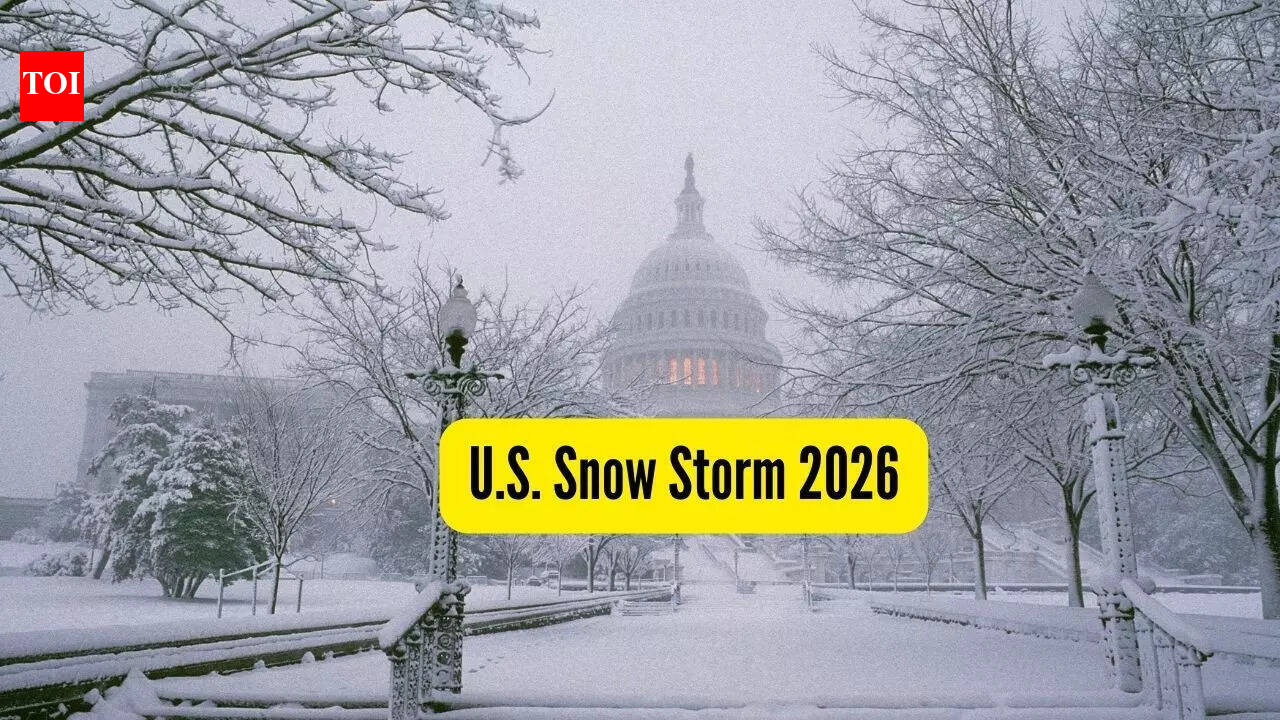
A fast-moving, wide-impact storm
Winter Storm Fern is sweeping through a broad swath of the United States, with forecasts calling for a mix of heavy snow, sleet and freezing rain in multiple regions between January 23 and January 26, 2026. The storm’s footprint is large enough to create overlapping hazards: snow-driven road closures in one corridor, ice on power lines in another, and sharp temperature drops that raise the risk of hypothermia and burst pipes.
Travel disruptions were mounting over the weekend as airlines canceled large numbers of flights and passengers rebooked around cascading delays. In many communities, officials warned residents to avoid nonessential trips, charge devices, stock basic supplies and prepare for power outages—especially where ice accumulation is possible.
Air travel, commutes and emergency response strain
Airports across the storm’s path were operating under changing conditions as precipitation bands shifted. Cancellations and delays rippled across hub networks, complicating rebooking and pushing some travelers onto already-crowded roads. Public agencies reminded drivers that the most dangerous period often comes before plows and salt trucks can catch up, when visibility is poor and road surfaces change quickly.
State and local leaders issued emergency declarations in numerous jurisdictions to speed resource deployment, open warming centers, and ensure road crews and utility teams could work extended hours. Emergency management agencies emphasized that ice and wind, not just snowfall totals, can drive the most severe impacts—especially if trees and lines come down.
What residents are being told to do now
- Delay travel if possible and keep a winter kit in vehicles (blankets, water, charger, flashlight).
- If using generators or alternative heat, ensure proper ventilation to avoid carbon monoxide poisoning.
- Check on neighbors who are older, medically vulnerable, or without reliable heat.
- Follow local guidance on school closures, road conditions, and shelter availability.
Meteorologists and emergency officials said impacts will vary sharply by location, so residents were urged to rely on locally issued warnings rather than broad national summaries. As the system advances, the biggest risks may rotate from snow and wind to refreezing and black ice as temperatures plunge behind the front.