Protests swell after Minneapolis fatal shooting by federal agents; Democrats weigh DHS funding blockade
Anger intensified across U.S. cities after the fatal shooting of Minneapolis nurse Alex Pretti by federal agents, fueling demonstrations and sharpening a political fight in Washington over whether to approve Homeland Security funding without new accountability rules.
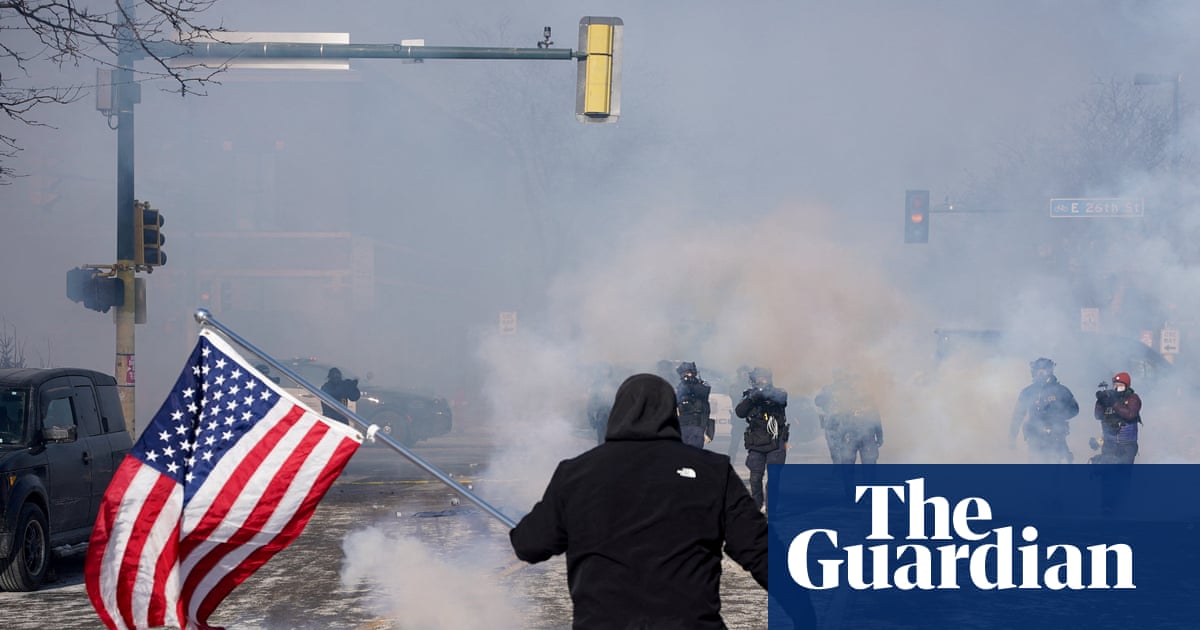
On Sunday, January 25, 2026, protests continued to spread after a Minneapolis man, Alex Pretti, was killed in an encounter involving federal immigration enforcement. Demonstrations that began locally grew into a broader national outcry, with critics accusing federal agents of using excessive force and operating without sufficient transparency or oversight. Local leaders and organizers pointed to video and witness accounts circulating online as they demanded an independent investigation, clearer rules of engagement, and stronger requirements around identification and accountability.
The death has also deepened a fast-moving political confrontation in Washington, where Democratic senators are signaling they may withhold votes for a broader government funding package if it includes money for the Department of Homeland Security without additional guardrails. Lawmakers framing their stance as a response to repeated, high-profile incidents have called for enforceable standards such as visible identification for agents, de-escalation training, and clearer warrant procedures during operations. Republicans counter that the department needs stable funding to enforce immigration laws, and they argue that tying DHS appropriations to the Minneapolis incident risks disrupting core security functions.
As the funding debate intensifies, demonstrators have linked the Minneapolis shooting to wider grievances over immigration enforcement tactics. Civil liberties advocates say the episode illustrates structural problems: opaque command structures, inconsistent public reporting after critical incidents, and a lack of rapid, independent review when lethal force is used. Supporters of tougher enforcement, by contrast, contend that agents increasingly face volatile situations and that political pressure campaigns could deter officers from acting decisively when they believe they are in danger.
The immediate question is whether Congress can reach a compromise before the next deadline without triggering a partial shutdown. Some legislators have floated options such as carving out or separately voting on DHS funding, while others argue that any deal must address the underlying accountability dispute. Meanwhile, protest organizers say they plan to keep mobilizing until the federal government commits to transparent investigations and specific reforms, and they have urged supporters to remain peaceful as rallies continue into the week.