Protests spread nationwide after Minneapolis shooting as anger grows over federal enforcement tactics
Video and witness accounts in Minneapolis fueled new protests across major U.S. cities after the fatal shooting of Alex Pretti, with Democratic lawmakers warning they may use upcoming funding votes to press for changes in federal immigration enforcement.
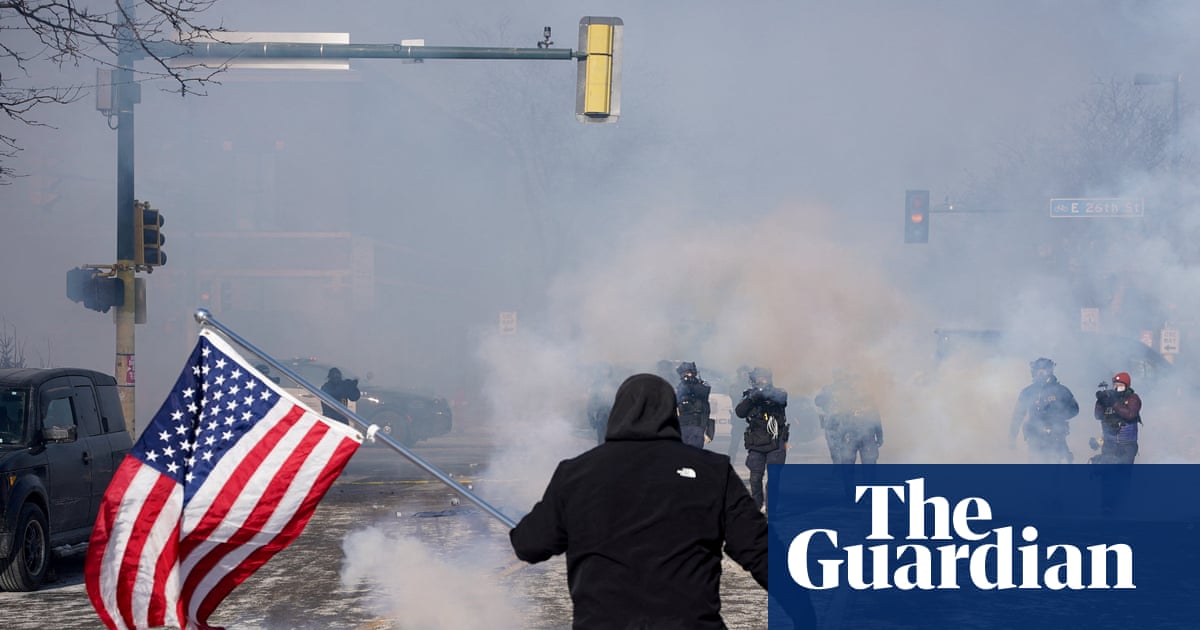
A fatal shooting in Minneapolis has triggered a fast-moving wave of demonstrations across the United States, with protesters and local officials demanding accountability after federal agents killed Alex Pretti, a 37-year-old registered nurse, during a confrontation captured on video. The incident, described as the second fatal shooting by federal agents in less than three weeks, pushed immigration enforcement and the conduct of federal officers to the center of the national political debate on Sunday, January 25, 2026.
In Minneapolis, accounts of what happened diverged sharply. Federal officials portrayed Pretti as a dangerous threat, but video circulated online showing him holding a phone as officers tackled him. The mismatch between official statements and visual evidence became a catalyst for outrage, drawing large crowds into the streets despite sub-zero temperatures and difficult travel conditions in parts of the country.
Demonstrations were reported in multiple cities, including Minneapolis, New York City, San Francisco, Boston, and Providence. Protesters chanted slogans condemning Immigration and Customs Enforcement, arguing that aggressive operations and escalating use of force have created a climate of fear for immigrants and a broader sense of instability for communities where raids and enforcement actions are taking place. Many organizers framed the Minneapolis shooting as part of a pattern, not an isolated tragedy.
The political fallout expanded quickly. Minneapolis Mayor Jacob Frey publicly condemned the incident and questioned how many more people would need to be hurt or killed before the operation ends. Minnesota Governor Tim Walz also criticized federal actions in blunt terms, reflecting the growing strain between local leaders and Washington over immigration enforcement and public safety.
In Washington, Senate Democrats signaled they could use leverage in the upcoming funding fight to press for tighter constraints on the Department of Homeland Security and its agencies. Senate Democratic leader Chuck Schumer said his caucus would oppose a funding package if it includes DHS money without what Democrats consider meaningful reforms to rein in abuses. The threat raises the possibility that the dispute could become entangled in broader negotiations over federal spending, even as the administration and Republicans defend enforcement priorities.
Pretti’s family and colleagues described him as someone motivated by a desire to help others, and his death resonated beyond Minneapolis because it involved an American citizen. Civil rights advocates and immigrant-rights groups argue the incident underscores the need for independent investigations into federal uses of force, clearer operational rules, and stronger oversight mechanisms when federal agents operate inside cities already under stress from political tension and economic uncertainty.
The protests arrive amid a crowded national agenda that includes severe winter weather in parts of the country and heightened arguments about border policy, public order, and the scope of federal authority. Organizers said additional rallies are being discussed in the coming days, as activists try to sustain attention on the Minneapolis shooting and turn public anger into legislative pressure.