Protests spread after Minneapolis nurse is killed by federal agent as evidence disputes official account
National outrage grew after Alex Pretti, a 37-year-old intensive care nurse, was fatally shot by federal immigration officers in Minneapolis. Witness accounts and video evidence challenged officials’ statements, while Democrats threatened to block homeland security funding and protests expanded to multiple U.S. cities.
What happened in Minneapolis
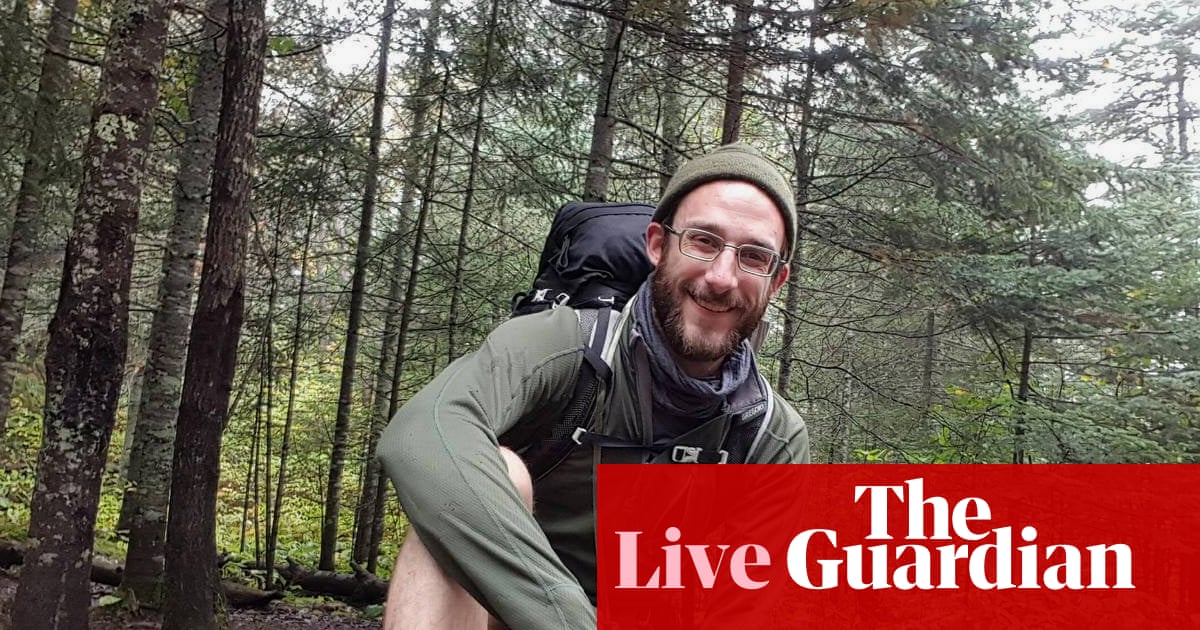
A fatal encounter in Minneapolis has become the latest flashpoint in a widening debate over federal immigration enforcement and the use of force. Alex Pretti, 37, an intensive care nurse, was shot and killed during a federal operation in the Twin Cities. Federal officials initially framed the shooting as a response to an immediate threat, but witness descriptions and video circulating online quickly raised questions about what occurred in the moments before the gunfire.
In coverage and live updates, bystanders said Pretti was trying to help someone during a tense confrontation involving federal officers. Several accounts stated he was not brandishing a weapon at the time he was shot. The dispute over the facts has fueled demands for the preservation and release of evidence and for an independent accounting of the incident.
Political pressure and calls for accountability
The killing intensified political pressure in Washington and in Minnesota. Democratic leaders signaled they could use budget leverage to force changes at the Department of Homeland Security, which oversees immigration agencies. Advocates and local officials called for transparency and for federal agencies to cooperate with state and local inquiries.
The incident also sharpened partisan divides: supporters of the enforcement effort argued agents must be able to protect themselves during volatile operations, while critics said the encounter appears to show excessive force and a failure to de-escalate. The controversy has added new urgency to broader disputes over how immigration laws are carried out on the ground.
Protests and community fallout
Demonstrations spread in Minneapolis and beyond, with protests reported in multiple cities. Organizers framed the shooting as part of a broader pattern of federal overreach. In Minneapolis, concerns about further unrest led to heightened security and a visible law-enforcement presence near federal facilities and in downtown areas.
As calls for accountability escalated, a central question remained: whether officials will release full documentation of the incident, including body-camera footage and operational details, and whether investigations will conclude the shooting was justified or a preventable death.