Massive winter storm ices over the U.S., knocking out power and canceling flights
A sprawling winter storm is battering much of the United States with freezing rain, sleet and heavy snow, leaving hundreds of thousands without power, snarling roads and forcing airlines to cancel and delay thousands of flights as bitter cold settles in behind the system.
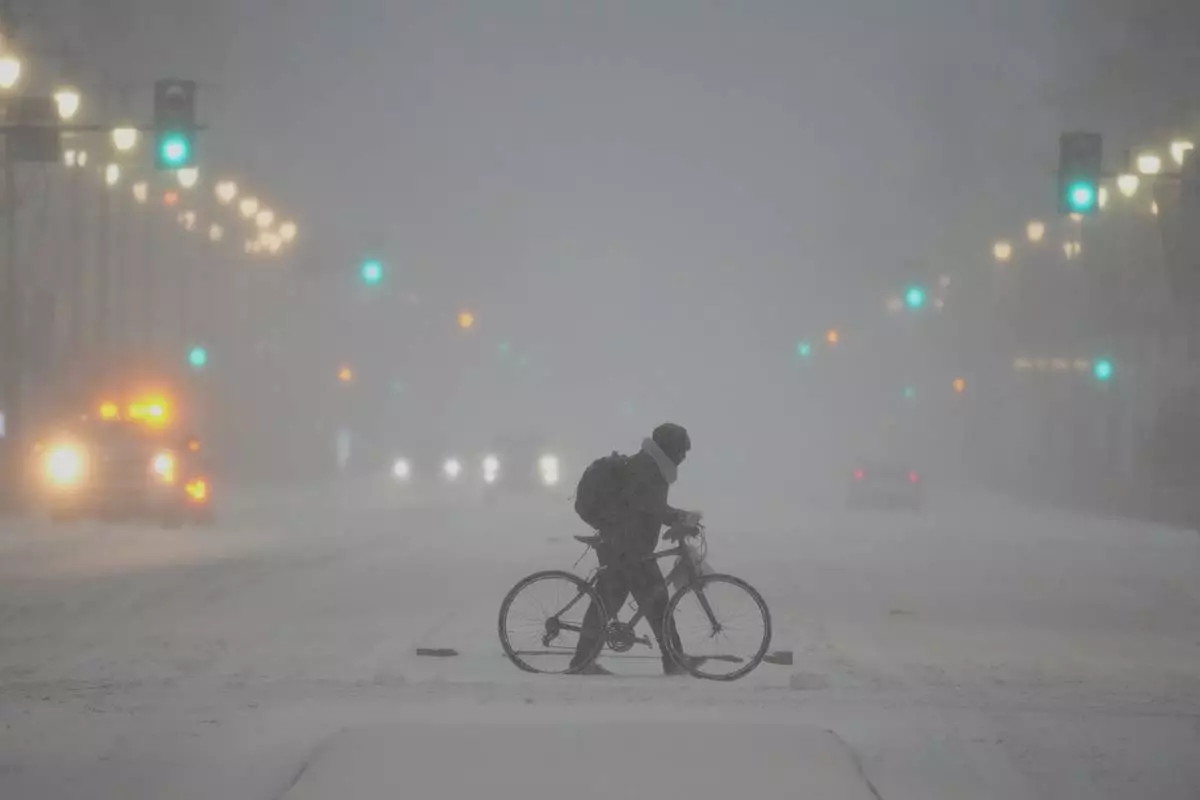
A massive winter storm pushed across the United States on Sunday, January 25, 2026, spreading treacherous ice, sleet and snow from the South through the Mid-Atlantic and into New England. Forecasters warned the storm’s sheer size was unusual, with impacts stretching roughly 2,000 miles and extending from Texas and surrounding states all the way to the Northeast. The National Weather Service said hazardous travel and infrastructure impacts could linger for days because an even colder blast of air was expected to follow, slowing melting and complicating recovery efforts.
Power outages grew steadily as freezing rain accumulated on trees and lines. By Sunday morning, outage trackers showed the number of customers without electricity approaching 800,000 nationwide, with Tennessee among the hardest hit. Texas, Louisiana and Mississippi also reported more than 100,000 customers in the dark. Weather service meteorologists noted that once ice builds toward about a half-inch, the risk of widespread outages rises sharply, and many communities were already seeing that kind of ice load.
Travel disruptions mounted quickly. More than 10,000 flights were canceled on Sunday and thousands more were delayed, according to flight tracking reports cited in coverage. Major hubs along the storm’s path—including airports in the Philadelphia, Washington, New York and New Jersey region—were among the most heavily affected. Airlines urged travelers to check their itineraries and rebook online when possible. Road conditions also deteriorated, with local officials warning residents to stay home in places where ice made driving and even outdoor utility work life-threatening.
Some utilities said conditions became too dangerous for crews to remain on the roads as trees and limbs continued snapping under the weight of ice.
Federal and state emergency actions expanded as the storm intensified. President Donald Trump approved emergency declarations for at least a dozen states by Saturday, and officials expected more to be added as the system evolved. The Federal Emergency Management Agency pre-positioned commodities, staff and search-and-rescue teams in multiple states, while the Department of Homeland Security advised communities to prepare with essentials such as food, fuel and backup plans for prolonged outages. Local governments also declared weather emergencies and adjusted public services to reduce risk.
Even after precipitation ends, the threat may persist. Forecasters warned that the bitter cold behind the storm could keep roads icy and slow restoration of power and other services. That prolonged period of freezing temperatures can also make it harder for crews to repair lines and clear debris safely, and it raises the chance of additional failures as ice remains locked onto infrastructure. Officials continued urging residents to limit travel, monitor local alerts and check on vulnerable neighbors as conditions worsen overnight.