Massive winter storm disrupts travel nationwide as flight cancellations surge and power outages spread
A sprawling winter storm sweeping across the United States grounded thousands of flights and knocked out power for hundreds of thousands, forcing airlines, utilities and state officials into emergency mode as snow and ice advanced toward major metro areas.
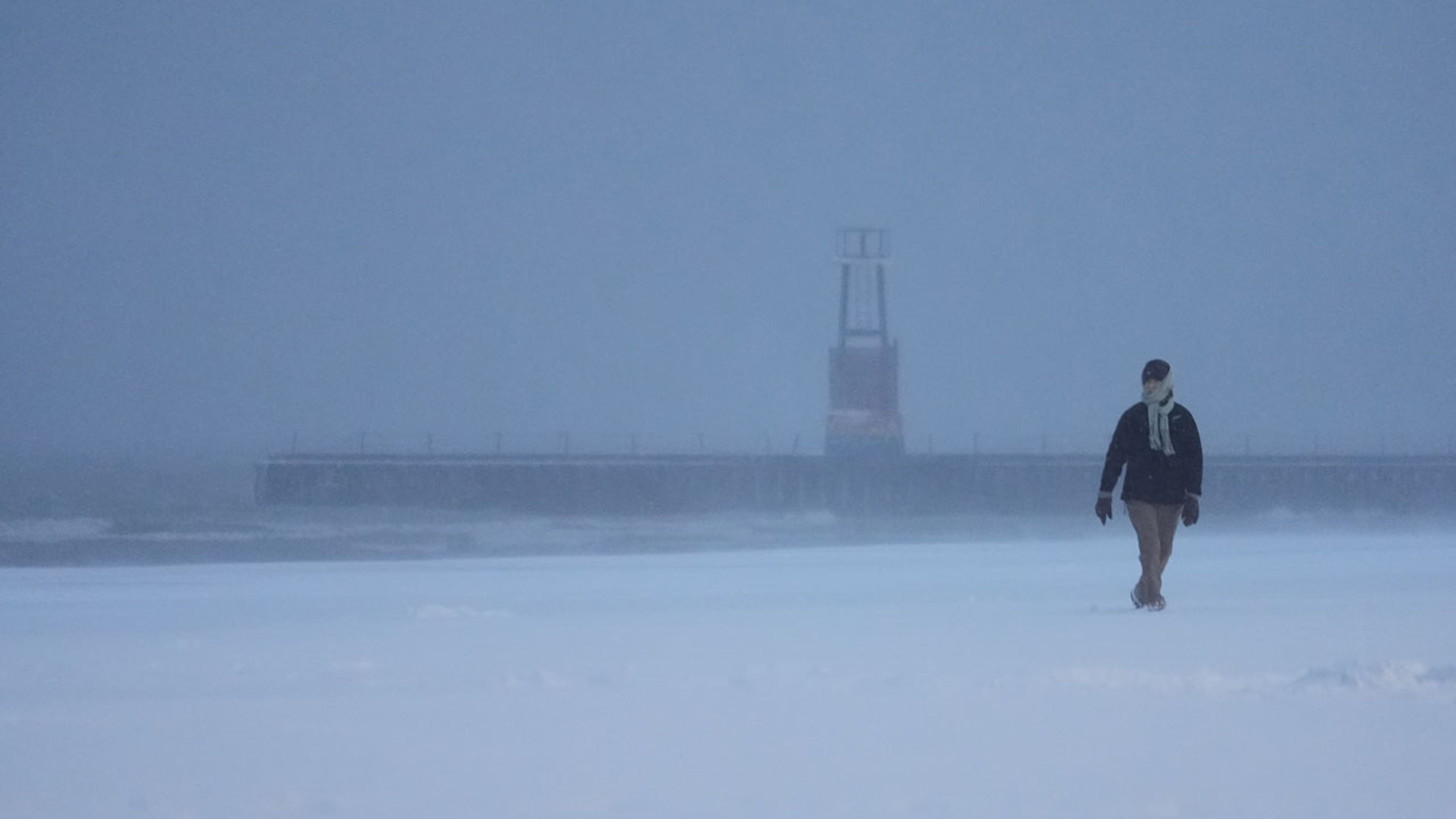
A powerful winter storm sweeping across large parts of the United States on Sunday, January 25, 2026, triggered widespread travel disruptions and utility failures, as heavy snow, sleet and freezing rain spread from the southern Rockies toward the Northeast. Airlines canceled flights in bulk, airports warned of near-total shutdowns in some corridors, and residents across multiple regions braced for dangerous cold alongside icing that can snap tree limbs and power lines.
According to the Associated Press, more than 15,400 flights were canceled since Saturday, including over 10,200 cancellations on Sunday alone. Major hubs—including Dallas–Fort Worth, Charlotte, Philadelphia, Atlanta and the New York area—were among the hardest hit as carriers struggled to reposition aircraft and crews while runways and taxiways turned into de-icing bottlenecks. Analysts cited by the AP described the event as the most severe flight-disruption stretch since the pandemic era, with the operational strain compounded by the fact that most U.S. flights are scheduled near capacity.
The storm’s footprint was enormous. Forecasters warned of significant snowfall totals—roughly 1 to 2 feet (30 to 60 centimeters) from Washington through New York and Boston in favored bands—while other areas faced more treacherous icing, where even a thin glaze can make roads impassable and create long power-restoration timelines. The National Weather Service issued a broad slate of winter alerts, and many states activated emergency operations centers to coordinate plowing, shelter support and traffic restrictions.
Beyond air travel, the storm drove major power outages. The Guardian reported hundreds of thousands of outages and described cascading impacts ranging from disabled traffic signals to heating concerns as Arctic air followed the storm’s track. Utilities and grid operators prepared for a multi-day restoration fight in areas where freezing rain is heaviest, because crews cannot safely climb poles and bucket trucks cannot operate reliably when roads are glazed.
For travelers, the disruption had an added financial dimension. The AP emphasized that passengers who choose not to travel are entitled to refunds, including for non-refundable tickets, when flights are canceled, and that unused add-ons such as seat fees can also be refundable. Still, rebooking proved difficult because the scale of cancellations overwhelmed spare capacity, leaving many passengers competing for the same limited seats once the weather improves.
- Airports and airlines urged travelers to check flight status before leaving for terminals and to use airline apps or phone support where possible.
- Officials encouraged residents in high-ice areas to prepare for extended outages with food, water, charging options and backup heat plans.
- Drivers were warned that the most dangerous conditions often arrive before plows can treat roads and that black ice can persist after precipitation ends.