U.S. completes withdrawal from the World Health Organization, raising concerns over outbreak data access
Federal officials said the United States has finalized its exit from the World Health Organization one year after President Donald Trump started the withdrawal. Public health experts warned it could weaken global outbreak response and reduce U.S. access to international disease data used for early warning and vaccine decisions.
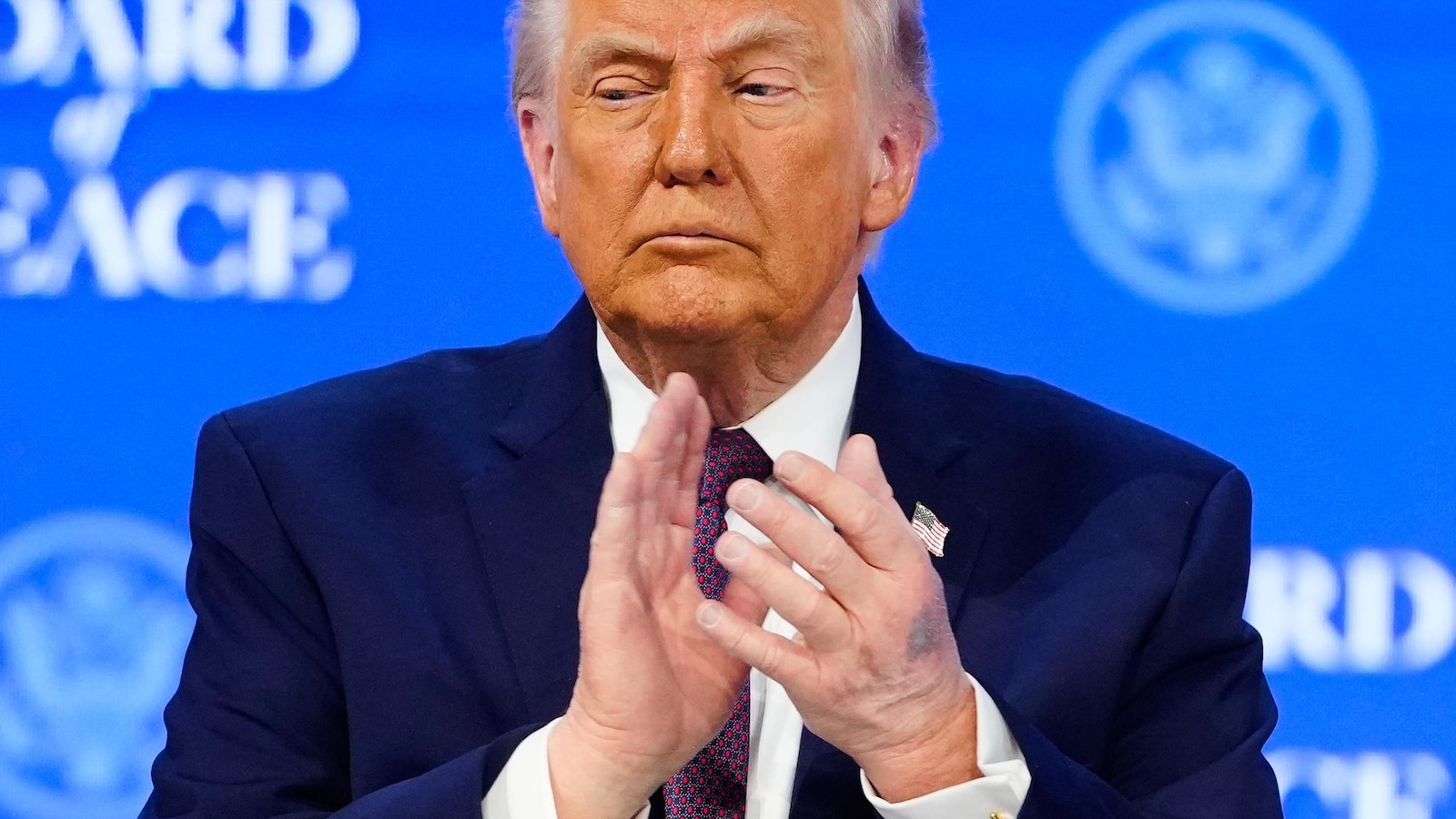
The United States has finalized its withdrawal from the World Health Organization, completing an exit set in motion a year earlier by President Donald Trump and ending a decades-long formal relationship with the U.N. health agency.
Public health experts warned the move could reduce America’s access to international disease intelligence that can provide early signals of outbreaks, complicate collaboration on global surveillance, and slow the flow of information used to guide decisions on vaccines and treatments.
WHO officials have said the U.S. also has outstanding financial obligations from prior years, and the separation is not expected to be frictionless. Even as the formal withdrawal is completed, officials acknowledged there are practical issues still being worked through, including what data streams and committee participation will be lost.
Administration officials have argued that the U.S. can pursue direct relationships with countries and partners without using WHO as an intermediary, and they have criticized the organization’s performance during the COVID-19 pandemic and other health crises.
Critics counter that the value of WHO is precisely its broad membership and standardized systems—especially for tracking emerging diseases, coordinating outbreak response, and sharing information that helps manufacturers and scientists update vaccines and develop new countermeasures.
The withdrawal lands at a time when global health systems are managing multiple threats and when U.S. vaccination and surveillance debates have grown more politically charged. Experts said the long-term impact will depend on whether alternative information-sharing arrangements prove comprehensive, fast and reliable.