Pediatricians reaffirm broader childhood vaccine guidance in split with CDC schedule
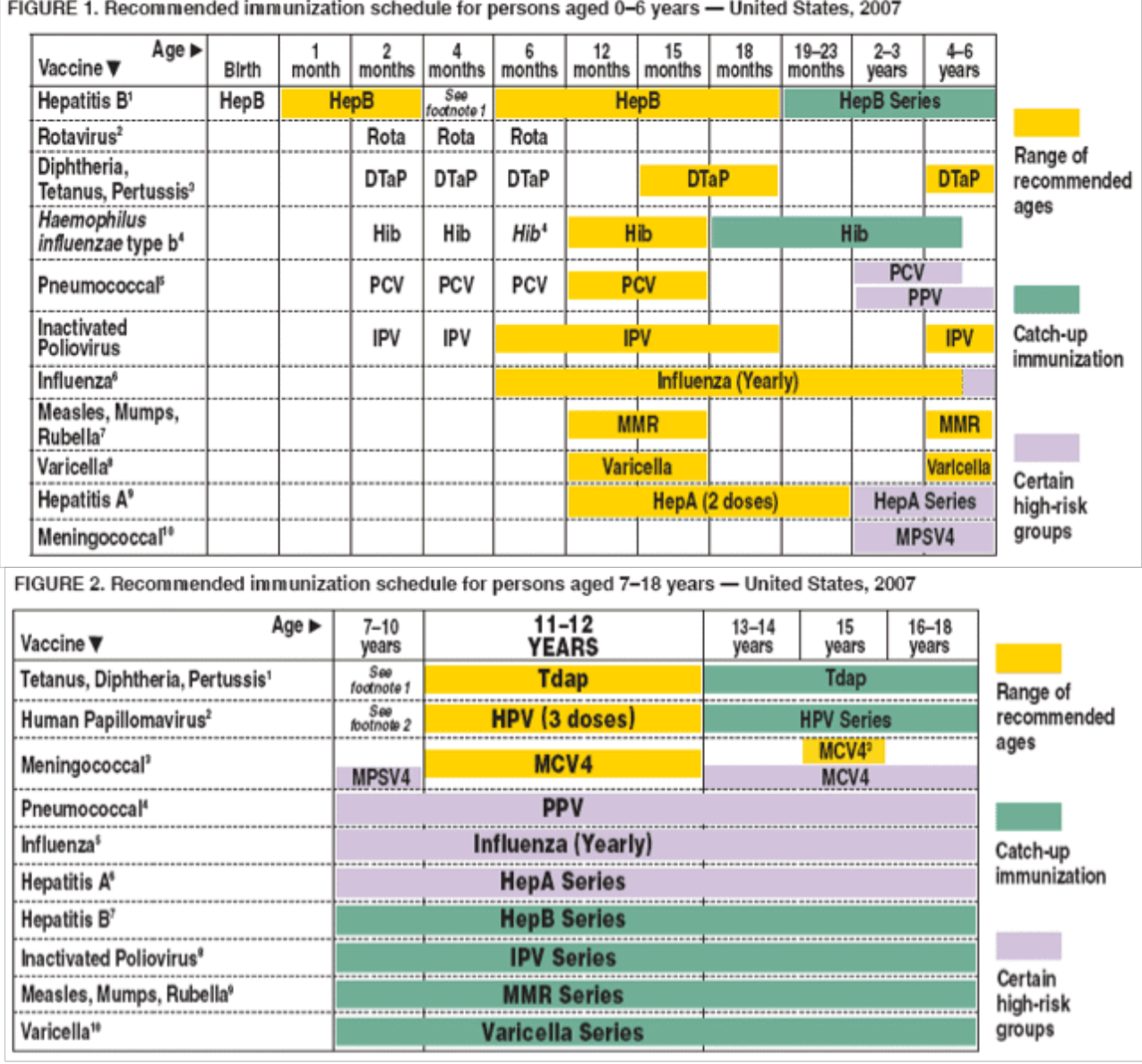
The American Academy of Pediatrics reiterated its recommendation that children be vaccinated against 18 diseases, diverging from a CDC schedule that now recommends vaccines for fewer diseases, according to reporting summarized by KFF Health News.
A widening rift over the childhood schedule
The American Academy of Pediatrics (AAP) on Monday released recommendations that continue to advise vaccination against 18 diseases for children, a stance that differs from the Centers for Disease Control and Prevention’s updated childhood schedule. KFF Health News summarized reporting that the AAP’s guidance is largely unchanged from its prior version, while the CDC now recommends routine vaccination against fewer diseases.
The split raises immediate questions for clinicians and families navigating mixed signals: what will schools require, what will insurers cover without extra steps, and how state health departments will align with one schedule or the other. Even small changes can affect uptake if parents interpret the shift as reduced urgency.
Why professional societies may diverge
Medical societies often publish independent recommendations based on their interpretation of evidence, disease burden and feasibility in real-world pediatric practice. When they differ from federal guidance, it can reflect disagreements over risk thresholds, the value of universal versus targeted strategies, or concerns about how policy changes were made.
In practice, pediatricians typically rely on a mix of federal guidance, society recommendations and local school or daycare requirements. When those sources diverge, clinicians may spend more visit time counseling families and documenting discussions—especially in communities where vaccine skepticism is already growing.
A parallel concern: newborn vitamin K refusals
KFF Health News also highlighted related reporting that more parents are declining vitamin K shots for newborns, a development doctors warn can raise the risk of dangerous bleeding in early life. The trend adds to broader public-health concerns about refusal of well-established preventive measures.
Public health officials and clinicians are expected to watch whether the competing schedules change vaccination rates, especially for diseases where immunity depends on high coverage. For parents, the situation may be confusing—making it more important to discuss questions with a child’s pediatrician and understand which protections are recommended at each age.