Doctors warn of cold-weather injuries as winter storm intensifies; experts highlight hypothermia risks and prevention
Emergency physicians and federal health guidance stress that hypothermia can be hard to recognize and can become life-threatening when body temperature drops below 95°F. With a major winter storm affecting much of the country, experts urge layered clothing, avoiding wet exposure, and rapid warming steps if symptoms appear.
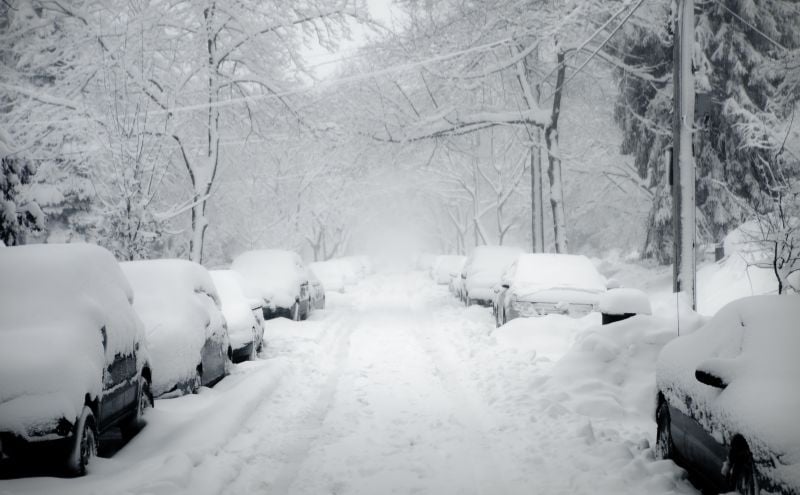
As a dangerous winter storm spread ice and frigid air across much of the United States, health experts warned that the biggest medical risks can arrive both during the storm and in the days after it passes. Emergency physicians said they expect increases in falls, traffic injuries and cold-related illness, particularly when people attempt to shovel, drive or travel in conditions that rapidly worsen.
The American College of Emergency Physicians urged the public to treat hypothermia as a medical emergency, noting that it can be difficult to recognize and may progress quickly. Clinicians emphasized that when the body loses heat faster than it can produce it, core temperature can drop to dangerous levels, impairing judgment and coordination—making it harder for a person to realize they need help.
Federal guidance from the Centers for Disease Control and Prevention similarly stresses that hypothermia can occur not only in extreme cold but also at relatively cool temperatures when someone becomes chilled by rain, sweat or immersion in cold water. The CDC lists common warning signs in adults such as shivering, exhaustion, confusion, fumbling hands, memory problems, slurred speech and drowsiness, and notes that infants may show very low energy and cold, bright-red skin.
Experts say prevention starts with basics that people sometimes skip during rushed errands: dressing in layers, limiting time outdoors, and changing out of wet clothing immediately. People at higher risk include older adults without adequate heat, babies sleeping in cold rooms, people who remain outside for long periods, and those who drink alcohol or use drugs—factors that can impair the body’s ability to regulate temperature and the person’s ability to respond.
If hypothermia is suspected, the CDC advises seeking medical help right away. If immediate medical care is not available, experts recommend getting the person to a warm shelter, removing wet clothing, and warming the center of the body first—chest, neck, head and groin—using blankets or skin-to-skin contact under dry layers. Warm nonalcoholic drinks can help if the person is conscious, while anyone unconscious should not be given liquids.
Emergency physicians also highlighted secondary dangers common during widespread outages: falls on ice, carbon monoxide poisoning from unsafe indoor generator use, and overexertion while clearing snow. They urged people to take breaks, avoid driving unless necessary, and check on neighbors—especially those living alone or without reliable heating.
With cold expected to persist after the storm’s peak, health officials stressed that risk does not end when the snow stops. Icy roads and freezing temperatures can delay emergency response and keep people exposed for longer periods. Experts say the safest approach is to plan for extended disruptions, stock basic supplies, keep phones charged, and know where warming centers or shelters are located before conditions deteriorate.