Stocks and investors brace for the Fed as attention shifts to rates, earnings, and winter weather risks
U.S. markets are heading into a pivotal week as the Federal Reserve meets and major companies report earnings. Barron’s highlights a mix of seasonal market momentum, macro uncertainty, and event-driven risk—from interest-rate expectations to the economic impact of severe winter weather.
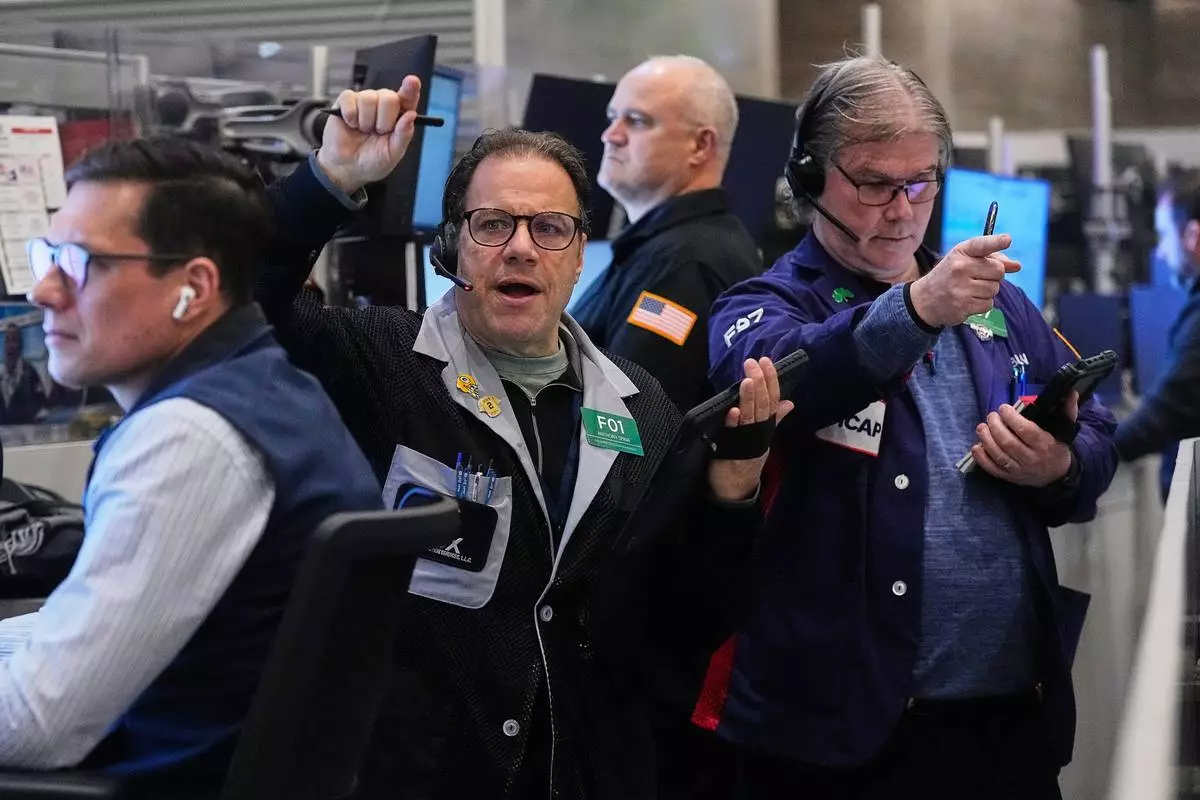
A “January Effect” narrative meets a major macro week
Investors are entering the final stretch of January 2026 with markets still searching for a clear direction: inflation fears have not vanished, the labor market is cooling unevenly, and the next message from the Federal Reserve could set the tone for risk appetite. Barron’s notes that some traders are watching the so-called “January Effect” or “January Barometer” as a sentiment signal, while also acknowledging that macro fundamentals—and not seasonal patterns—will likely drive the next big move. ([barrons.com](https://www.barrons.com/articles/stocks-rally-2026-january-effect-9dfeeb82?utm_source=openai))
With the Fed meeting underway, the central question for business is whether policy makers are comfortable holding rates steady, or whether they see conditions that could justify changes later in 2026. Even without an immediate move, forward guidance can shift corporate financing conditions—especially for firms reliant on refinancing, venture funding, or consumer credit demand. ([wsj.com](https://www.wsj.com/economy/central-banking/fed-set-to-pause-rate-cuts-with-no-clear-path-to-resuming-9898b91b?utm_source=openai))
Earnings concentration increases the stakes
Another business risk this week is concentration: a small number of mega-cap companies can disproportionately influence major indices. Barron’s points to a heavy slate of closely watched earnings from large tech names, underscoring how equity performance can hinge on a handful of corporate outlooks and capital-spending signals—especially those tied to AI, cloud, and consumer devices. ([barrons.com](https://www.barrons.com/articles/stocks-rally-2026-january-effect-9dfeeb82?utm_source=openai))
For corporate leaders, earnings week is not just about profits; it’s about narrative control. Guidance on pricing power, hiring plans, and demand resilience often moves markets more than the quarter’s historical results, particularly when investors are already uncertain about the Fed’s medium-term path. ([wsj.com](https://www.wsj.com/economy/central-banking/fed-set-to-pause-rate-cuts-with-no-clear-path-to-resuming-9898b91b?utm_source=openai))
Weather shocks and operational costs
Severe winter weather can introduce near-term business disruptions: logistics delays, retail volatility, energy-demand spikes, and lost workdays. Barron’s references Winter Storm Fern and a historic cold backdrop as part of the week’s context, reminding investors that non-financial shocks can still affect quarterly performance—especially in transportation, utilities, and consumer-facing sectors. ([barrons.com](https://www.barrons.com/articles/stocks-rally-2026-january-effect-9dfeeb82?utm_source=openai))
What business watchers will focus on
- Fed messaging: whether inflation progress is sufficient to reopen the door to cuts later in 2026.
- Earnings guidance: particularly capex plans and AI-related spending expectations.
- Consumer sensitivity: whether higher borrowing costs are reducing discretionary demand.
- Operational resilience: the extent to which winter disruptions affect shipping, staffing, and energy costs.
In practical terms, the week’s combined signals—policy, earnings, and operational disruption—will shape how executives and investors calibrate risk for Q1 2026. If the Fed stays firm and guidance softens, markets may reprice growth expectations quickly; if inflation cools further and corporate outlooks hold, risk assets could regain momentum. ([wsj.com](https://www.wsj.com/economy/central-banking/fed-set-to-pause-rate-cuts-with-no-clear-path-to-resuming-9898b91b?utm_source=openai))