South Korean auto stocks rebound after Trump threatens 25% tariffs tied to stalled trade deal
Markets in Seoul steadied after an early selloff when President Donald Trump said tariffs on South Korean goods could rise to 25%, with automakers recovering losses even as the won weakened and officials prepared urgent talks.
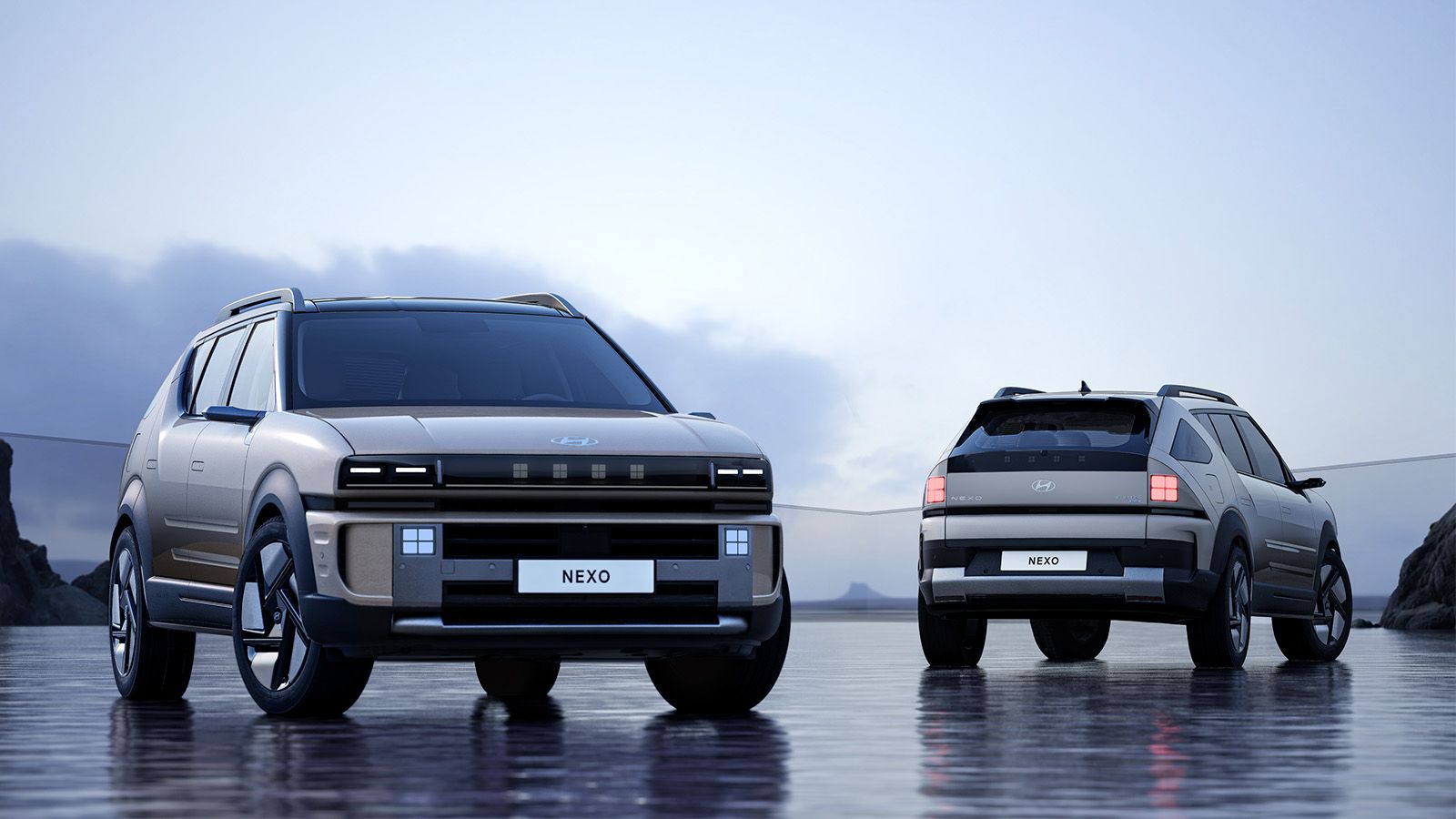
SEOUL — Shares of South Korean automakers recovered from an early drop after President Donald Trump said in a social media post that he would raise tariffs on South Korean goods, including automobiles, to 25% from 15%, injecting uncertainty into a trade relationship that has been a pillar of the two allies’ economic ties.
Hyundai Motor and Kia fell sharply at the open as investors digested the threat, but both clawed back much of the decline as trading continued. The broader KOSPI benchmark remained in positive territory, suggesting that many investors were treating the message as leverage rather than an immediate policy shock.
Currency markets were less relaxed. The won weakened as onshore trading began, reflecting the risk that tariff escalation could hit exports and corporate earnings if implemented quickly. Analysts noted that even if the threat proves temporary, the episode can raise hedging costs and complicate planning for manufacturers with U.S.-bound supply chains.
Trump’s statement linked the tariff increase to frustration over South Korea’s legislature not advancing a trade deal with Washington. South Korean officials said the tariff hike was not yet formalized and moved to arrange emergency consultations, highlighting how quickly trade policy can shift when announcements occur outside the usual diplomatic process.
For the auto industry, the stakes are immediate. Automakers and suppliers rely on stable tariff assumptions to set pricing, allocate production, and decide where to invest. Sudden changes can force companies to choose between absorbing costs, raising prices, or adjusting factory output in multiple countries.
Even with the rebound in stocks, the episode underscored the sensitivity of South Korea’s export-driven economy to U.S. policy signals. Investors now expect rapid follow-up: formal guidance on whether any new tariff rate will take effect, what products would be covered, and how Seoul and Washington might negotiate a path to de-escalation.