Trump administration takes stake in USA Rare Earth as U.S. pushes to loosen China’s grip on critical minerals
The U.S. Commerce Department is backing USA Rare Earth with a proposed $1.6 billion package tied to domestic mining and magnet manufacturing, part of a broader effort to build a homegrown rare-earth supply chain.
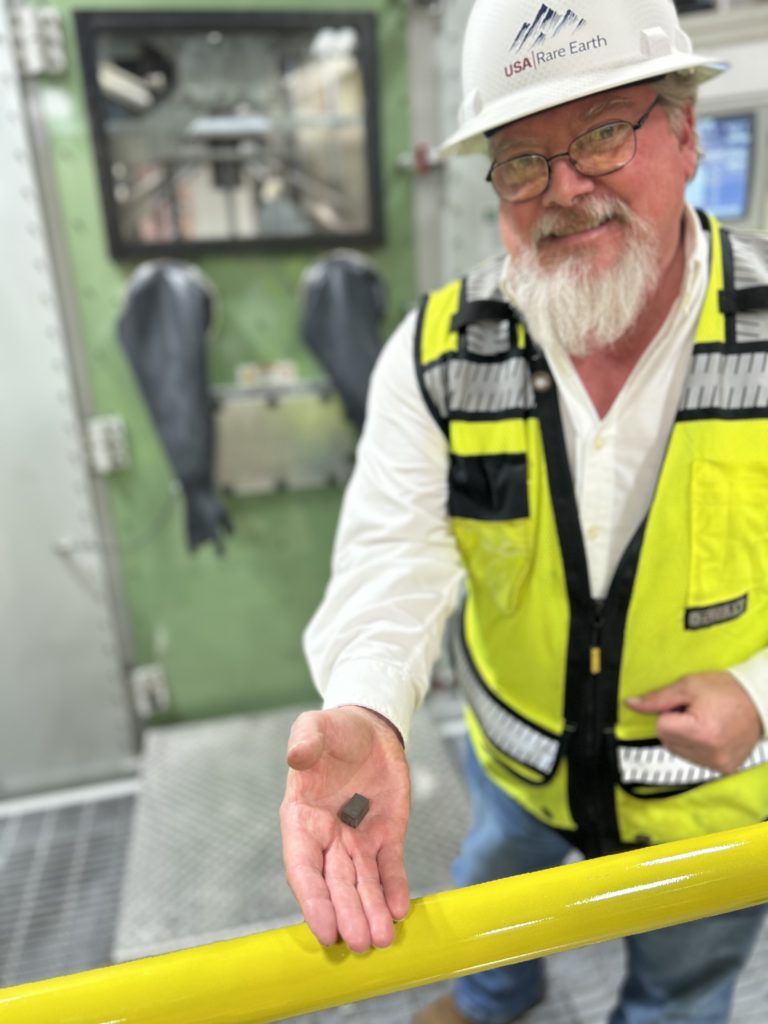
A strategic bet on rare earths—and the magnets that power modern industry
The Trump administration is taking a minority stake in USA Rare Earth as part of a push to reduce U.S. dependence on China for critical minerals used across advanced manufacturing, defense systems, and consumer electronics. The investment centers on building capacity from raw materials to finished components—especially magnets—rather than relying on overseas processing and manufacturing.
On Monday, January 26, 2026, USA Rare Earth said the U.S. Commerce Department is investing a total of $1.6 billion in the company. The package includes $277 million in federal funding and a $1.3 billion loan. In exchange, the government will receive 16.1 million shares and the right to buy additional shares, a structure meant to align federal support with long-term commercial scale-up.
What the funding is meant to build
The effort is designed to support two linked ambitions: advancing work on a rare earth mine in Texas and developing magnet manufacturing capacity in Oklahoma. The magnet piece matters because a major vulnerability in the U.S. supply chain is not just mining but the conversion of rare earth materials into high-performance magnets used in everything from robotics and aerospace systems to electric vehicles and wind turbines.
Administration officials argue that the project supports economic competitiveness and national security by putting more of the value chain on U.S. soil. In practical terms, that can mean more reliable supply, less exposure to export controls or geopolitical conflict, and clearer traceability for defense procurement.
The broader context: China’s dominance and U.S. industrial policy
China plays a dominant role in rare earth processing and downstream manufacturing, and U.S. leaders in both parties have increasingly treated the sector as strategically sensitive. The USA Rare Earth deal follows other federal actions aimed at strengthening domestic critical-minerals supply chains, including investments and incentives that attempt to bridge the gap between promising deposits and commercially viable production.
Market reaction was swift: USA Rare Earth shares jumped after the announcement. For investors, the headline risk is that letters of intent and large loans must translate into on-time construction, permitting progress, and consistent output. For policymakers, the central question is whether these deals can create durable, competitive production rather than short-lived bursts tied to subsidies.
What to watch next
Key milestones will include finalization of agreements, project timelines for the Texas and Oklahoma buildout, and proof that the mine-to-magnet chain can achieve quality and scale at costs that compete globally. If successful, the project could become a template for future government-backed efforts in other strategic materials.