Wall Street ends a volatile week as Intel tumbles, gold climbs and investors parse earnings and uncertainty
U.S. markets finished the week mixed as investors weighed earnings, shifting expectations about inflation and growth, and renewed geopolitical and policy uncertainty. Intel sank after issuing a weak forecast, while gold pushed to another record as some investors sought safety.
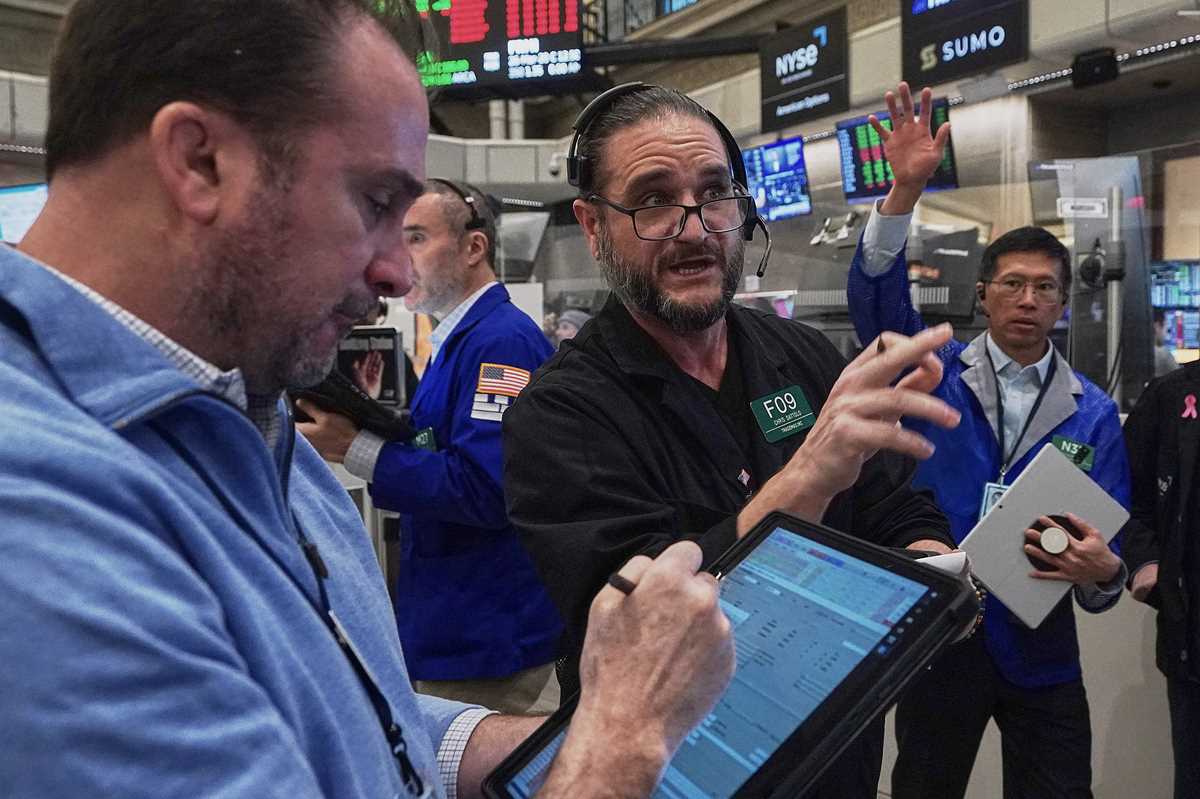
U.S. stocks finished a volatile week with mixed results on Friday, January 23, 2026, as investors balanced corporate earnings, macroeconomic signals and a risk-off undercurrent visible in the continued strength of gold. The session left major indexes little changed overall, with some pockets of sharp single-stock moves.
Intel shares fell sharply after the company’s outlook disappointed investors even as it reported strong year-end results. The guidance underscored how quickly sentiment can swing in the chip sector, where forecasts can be influenced by shifting demand, supply constraints and the pace of spending tied to data centers and AI.
Gold rose again to a fresh record, a move that typically signals investor demand for perceived safe-haven assets. At the same time, Treasury yields eased, suggesting that a portion of the market is positioning for slower growth or seeking shelter amid uncertainty.
Several companies outside technology also drove headlines. Capital One sank after missing profit expectations and announcing a major acquisition of Brex. Clorox moved higher after reaching a deal to buy GOJO Industries, the maker of Purell, expanding its consumer products footprint.
The week’s trading was shaped not just by earnings but also by broader policy and geopolitical crosswinds that can change expectations quickly. Investors were also monitoring how resilient consumers remain and whether the economy can keep expanding without reigniting inflation pressures.
Even with the week’s pullback, the market entered late January still showing solid year-to-date gains in several major benchmarks. The mix of record-high gold, selective equity weakness and cautious bond moves, however, highlighted that many investors are still hedging against shocks while staying exposed to growth themes.