Storm-driven shutdowns and travel chaos ripple across local economies as cancellations mount
As Winter Storm Fern expands across the country, businesses from airlines to retailers are bracing for a weekend of lost sales, disrupted supply deliveries and staffing gaps. The biggest near-term costs are showing up in travel and logistics, with spillover effects expected for schools, hospitals and municipal services.
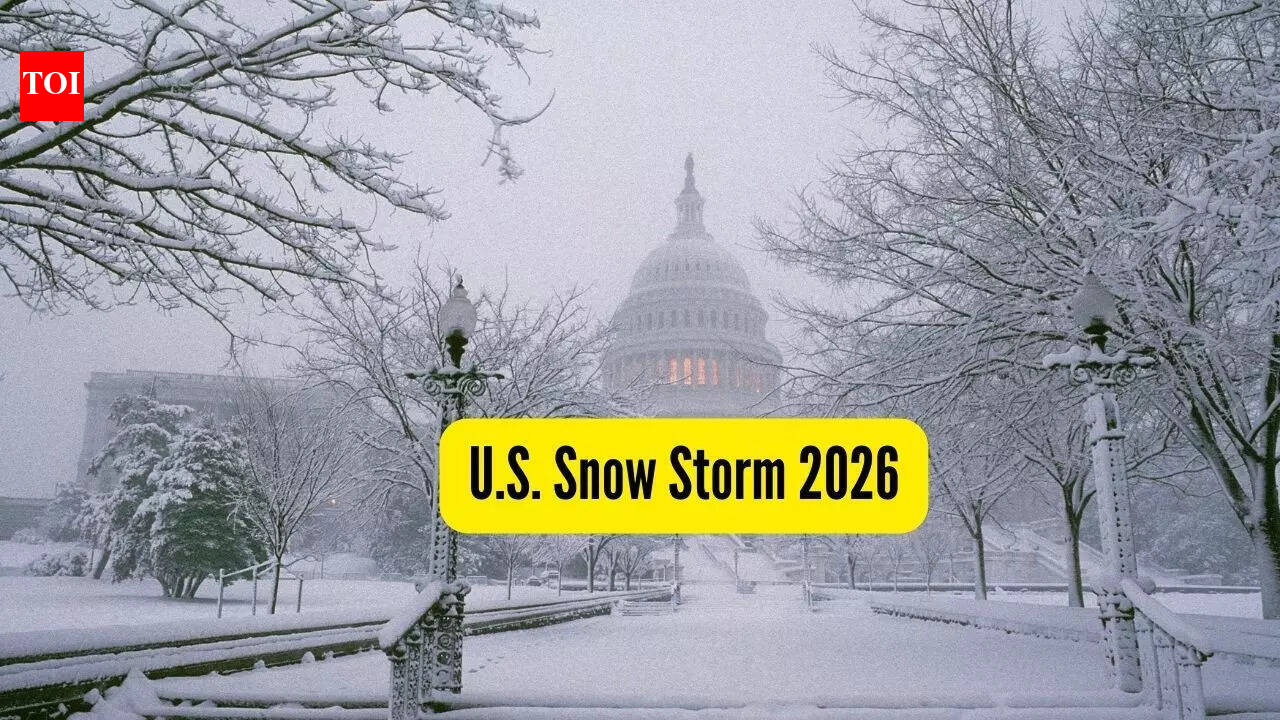
A weather event with measurable economic impact
Winter Storm Fern is not only a public-safety challenge; it is also a broad economic disruption, as canceled flights, hazardous highways, and power risks affect commerce and staffing. When a storm spans multiple regions at once, companies cannot easily reroute people and goods, and the costs stack up quickly across industries that rely on tight schedules.
Airlines and airports are among the most immediate pressure points. Large waves of cancellations and delays create rebooking backlogs, additional labor needs for customer support, and operational costs associated with repositioning aircraft and crews. Travelers diverting to car trips can shift demand to rental cars and fuel, but dangerous road conditions may limit that substitution.
Retail, food delivery, and hourly labor are hit first
Retailers often see a brief surge in pre-storm purchases—batteries, shelf-stable groceries, and heating supplies—followed by a drop if roads become impassable and employees cannot safely commute. Restaurants, last-mile delivery services, and gig-economy workers face a similar pattern: short spikes in demand paired with higher risk and reduced fulfillment capacity.
For hourly workers, the impact can be especially sharp. Missed shifts translate directly into lost wages, while employers may have to pay overtime or hazard pay for essential staff. Businesses that remain open may still operate below normal capacity because customers stay home and supply deliveries are delayed.
Supply chains and infrastructure strain
Snow and ice slow trucking and can interrupt time-sensitive shipments such as medical supplies and perishable goods. Even if highways remain open, freight often moves at reduced speed, stretching delivery windows and complicating warehouse scheduling. Utilities and public works departments may incur extra costs for crews, equipment, and contracted support, especially if ice causes downed lines.
The overall economic bill will depend on how long the storm stalls over key corridors and whether widespread power outages occur. In the short term, the clearest signal is the travel sector’s disruption, which often serves as a real-time indicator of how broadly the storm is impeding the movement of people and goods.