Markets slide after Trump threatens tariffs on European countries tied to Greenland dispute
U.S. stocks fell sharply after President Trump threatened new tariffs on imports from multiple European countries amid tensions linked to Greenland, spurring investor flight to traditional safe havens and raising fears of retaliation.
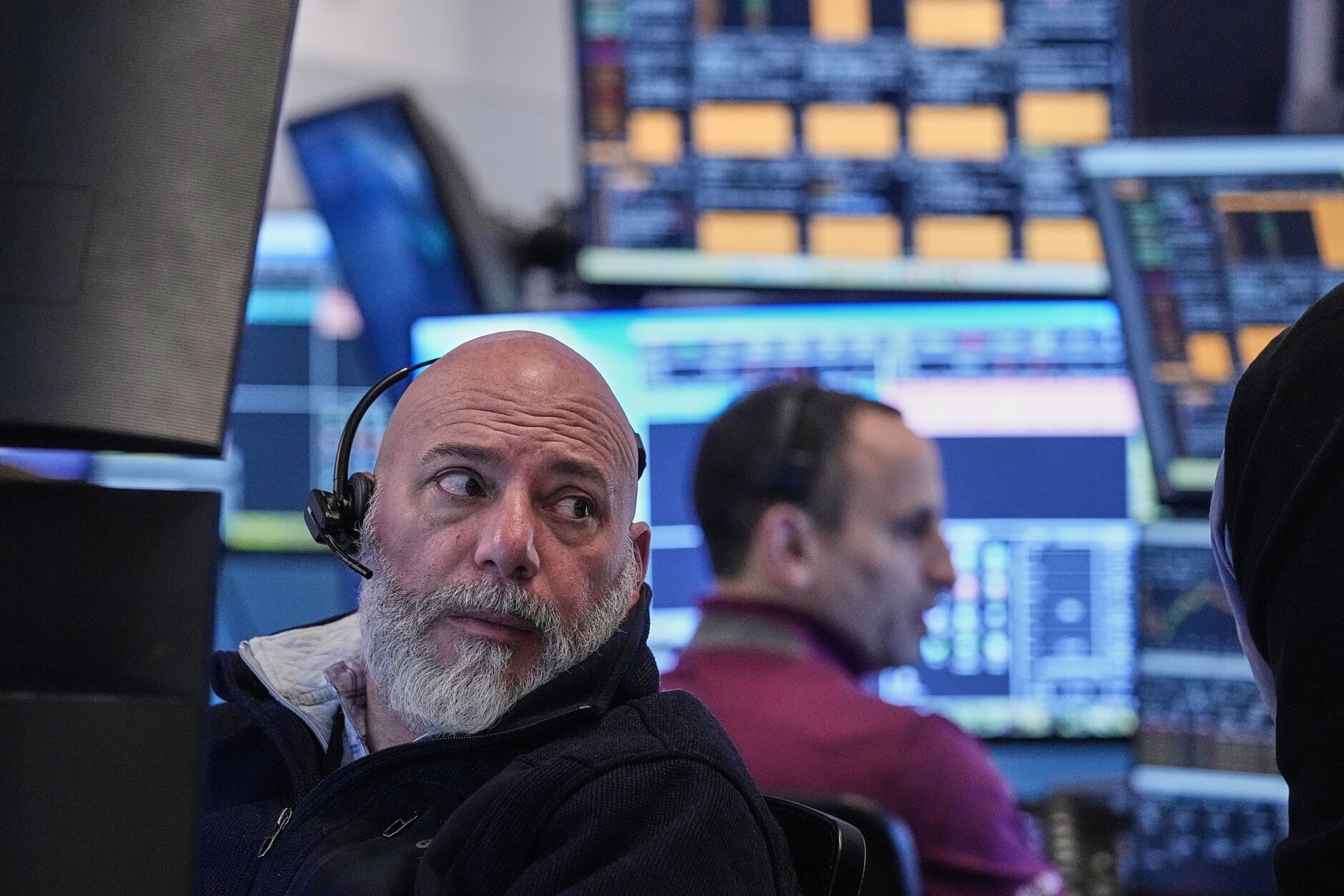
Wall Street hit by renewed tariff shock
U.S. financial markets sold off after President Donald Trump threatened to impose new tariffs on imports from eight European countries, connecting the move to mounting tensions over his Greenland push. The S&P 500, Dow Jones Industrial Average, and Nasdaq all fell notably in a risk-off session that traders described as driven by policy uncertainty rather than company fundamentals.
Tech shares helped lead the decline as investors cut exposure to sectors seen as sensitive to global trade disruption and higher input costs. The broader move reflected a familiar pattern in tariff-driven episodes: uncertainty rises first, risk premiums widen quickly, and investors turn to safe-haven assets while waiting for clarity on whether threats become policy.
Safe havens rise; Europe weighs countermeasures
Gold and silver gained as traders sought protection, while other risk assets pulled back. In Europe, leaders signaled they were weighing potential responses if tariffs move forward, including retaliatory measures that could widen the dispute beyond Greenland and into a broader transatlantic trade confrontation.
The timing adds pressure to both policymakers and corporate planners. With tariffs discussed as beginning in February, businesses that rely on cross-border supply chains face a narrow window to adjust sourcing and inventory strategies. For investors, the key question is whether the threat is mainly leverage for negotiation or the start of a longer tariff cycle.
What investors will watch next
- Whether the tariff threat is formalized into an executive order or trade action with a clear start date.
- Signals from European governments about retaliation and legal tools they may use.
- Upcoming economic data that could influence the Federal Reserve’s rate path amid renewed trade uncertainty.
- Corporate guidance on margins and demand if tariffs raise costs or dampen exports.
Even if negotiations ultimately cool the rhetoric, the episode underscores how quickly geopolitics can dominate market direction. For households and businesses, the concern is that tariff volatility can translate into higher prices, disrupted trade flows, and weaker investment confidence.