Airlines count the cost as winter storm wipes out thousands of flights across U.S.
The sprawling winter storm that crippled weekend travel is forcing airlines to cancel thousands of flights, triggering rebooking chaos, customer-service bottlenecks and broader business impacts as hubs and supply chains struggle with disruptions.
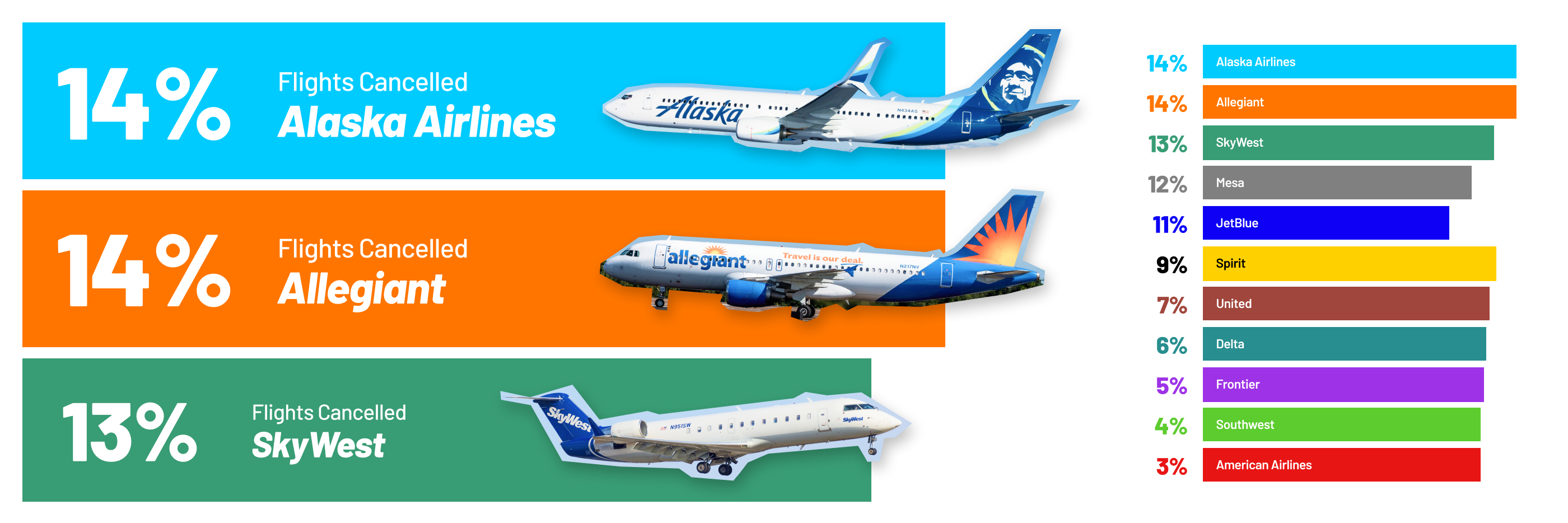
A powerful winter storm is producing a major business disruption for the U.S. airline industry, forcing carriers to cancel large numbers of flights and stranding passengers at hubs during one of the year’s busiest winter travel stretches.
The scale of cancellations created cascading network problems. When aircraft cannot reach their next destinations and crews time out, airlines must rebuild schedules while balancing safety constraints, airport de-icing capacity, and limited gate space for delayed arrivals.
Large hubs in the South and East were among the hardest hit, and the knock-on effect spread nationwide. Airlines issued waivers and encouraged travelers to rebook online, but many passengers still faced long waits for assistance and fewer available seats as flights filled up.
Beyond passenger inconvenience, the storm can increase costs quickly: additional staffing needs, crew repositioning, aircraft maintenance scheduling changes, hotel accommodations for crews, and compensation or goodwill credits for disrupted customers all pressure operating budgets.
Refund rules also matter financially. Travelers whose flights are canceled are entitled to refunds if they choose not to accept alternatives, meaning airlines can see immediate revenue reversals even as they incur higher disruption costs.
The storm also affects airports, concession operators, rideshare demand, and adjacent sectors such as car rentals and hospitality. When large airports curtail operations, local business activity drops sharply—especially in terminals where passenger volume drives sales.
Market observers watched for broader indicators, including the impact on airline stocks and travel sentiment if disruptions persist into the workweek. Severe winter events can also stress cargo operations, affecting time-sensitive shipments that rely on belly cargo capacity.
As the storm track moves, airlines are expected to continue adjusting schedules dynamically. Even after precipitation ends, clearing backlogs may take days, and consumers may see reduced flight availability as carriers normalize aircraft and crew positioning.