Airline disruption ripples into markets as winter storm triggers mass cancellations and rebooking crunch
Nearly 15,000 U.S. flights were canceled through Monday as a storm shut down key hubs; investors weighed the operational and revenue hit while airlines issued broad travel waivers.
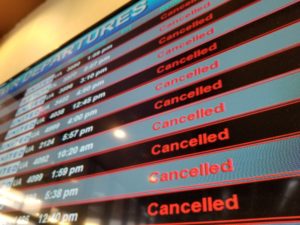
The massive winter storm hammering the United States is also registering as a business story, with flight cancellations piling up and investors assessing the financial fallout. MarketWatch reported that nearly 15,000 U.S. flights were canceled through Monday as the storm spread heavy snow, ice and bitter temperatures across major corridors, leaving airlines with a rebooking crunch and limited ability to add capacity.
Large hubs such as Dallas–Fort Worth, Charlotte Douglas and Hartsfield-Jackson Atlanta were among the hardest hit, reflecting how quickly a severe weather event can turn into a nationwide network problem. When inbound aircraft cannot arrive, outbound flights are canceled in waves, crews time out, and the system’s normal buffers evaporate. MarketWatch noted that cancellations in a high-load-factor environment are especially difficult because there are fewer empty seats available to accommodate stranded passengers.
Airlines issued waivers for affected travelers, allowing itinerary changes without fees in many cases, but waivers do not eliminate the core economic pain: canceled segments reduce flown revenue in the near term and increase costs via crew repositioning, customer service staffing, and operational recovery. In addition, prolonged disruptions can pressure on-time performance metrics and customer loyalty, increasing the likelihood that carriers will offer goodwill credits or extra compensation to retain customers.
The market reaction was visible in airline-related securities. MarketWatch reported that airline stocks declined, including the U.S. Global Jets ETF, as traders priced in both immediate revenue loss and the operational expense of restoring schedules once the storm clears. While weather-driven selloffs can reverse quickly, the depth and geographic scale of this storm made it more than a localized disruption.
The broader business impact extends beyond airlines: hotels near airports experience abrupt demand shifts, supply chains face delays for time-sensitive cargo, and employers deal with late arrivals and missed connections. But for carriers, the immediate priorities are to restore aircraft rotations, stabilize crew schedules, and prevent the recovery phase from creating a second wave of cancellations after precipitation ends.
- Scale: nearly 15,000 cancellations through Monday as reported by MarketWatch.
- Constraint: limited spare capacity makes rebooking slow and frustrating during systemwide events.
- Market signal: airline-related equities dipped as investors weighed costs and lost flying.